

Israel News
Each Trump ‘TACO’ Costs Israel Hundreds of Millions
Repeated threats of renewed U.S. strikes force Israel to mobilize reservists, prepare aircraft and raise air-defense readiness before Trump backs down
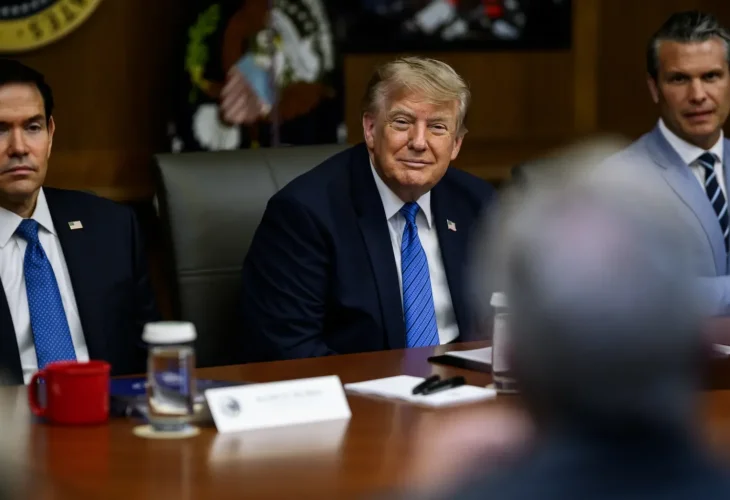 Donald Trump (White House)
Each time U.S. President Donald Trump threatens to resume attacks on Iran and then pulls back, Israel has already spent hundreds of millions of shekels preparing for a possible regional war, according to a report published Tuesday by Calcalist.
The newspaper described the pattern as Trump’s “TACO”—“Trump Always Chickens Out.” Israel, however, cannot assume that every threat will end in another reversal, particularly after Trump said the United States had been close to launching a major operation. “We were ready to go,” he said. “It was going to be a massive attack.”
Israeli preparations begin within hours of signs that fighting could resume. The measures include urgently calling in Air Force pilots, technical personnel and ground crews, preparing aircraft, replenishing supplies and raising the readiness of air-defense systems against possible Iranian missile barrages.
Intelligence units and Home Front Command search-and-rescue teams are also activated, while tens of thousands of reservists may be summoned. The military moves troops, weapons and equipment and reinforces the northern front and Israeli positions in Lebanon in case renewed fighting with Iran triggers a wider escalation involving Hezbollah.
The latest readiness period followed Trump’s renewed threats to strike Iranian energy infrastructure. Iran warned that it could retaliate against energy sites in Israel and the Gulf, including Israeli natural-gas facilities in the Mediterranean.
Trump later announced that the planned attack had been suspended and said Iran was prepared to return to negotiations.
According to Calcalist, the episode resembled approximately five previous alert cycles since Trump halted the U.S.-Israeli campaign against Iran on April 8. The newspaper did not provide a complete list of the alerts, but similar preparations were reported in May, June and again in late July.
The repeated alerts are adding to the cost of the second Iran war. The military cost was estimated at NIS 39 billion in mid-April, according to Calcalist. By the beginning of August, the figure had risen to NIS 51 billion.
A brief confrontation in June illustrated how quickly expenses can accumulate. Iran fired more than 20 missiles at Israel during what was described as a “17-hour battle,” after an Israeli strike in Beirut’s Dahiyeh district. The exchange reportedly cost Israel approximately NIS 500 million, including Air Force flight hours and the interceptor missiles launched against the Iranian barrage.
The pressure is also being felt by the IDF’s personnel. Military plans at the beginning of the year called for limiting the number of reservists serving each day in 2026 to approximately 40,000. The current daily figure is around 65,000, according to the report.
The Defense Ministry is seeking an additional NIS 40 billion for 2026, which would bring Israel’s defense budget to approximately NIS 183 billion. Under an agreement reported by Calcalist, the Finance Ministry was expected to transfer NIS 15 billion immediately, while another NIS 25 billion would be considered in October and November based on the military’s expenses.
The Defense Ministry is also carrying more than NIS 15 billion in debts to Israeli defense companies and is waiting for authorization to place long-term weapons orders. Delays in issuing those orders could postpone the delivery of urgently needed systems by years.
The Finance Ministry said last week that “the money will be transferred within a few days.” Defense officials said they were still waiting.
Trump has said diplomacy could prevent another attack, but Iran subsequently denied that direct negotiations had been scheduled. As long as the diplomatic picture remains uncertain, Israel may be forced to prepare again—paying the full cost even if the next threatened strike is also canceled.

