

Israel News
Headed for Financial Collapse? Report Says Hezbollah Is Near Bankruptcy
Hezbollah is facing its most severe financial crisis in years as a joint Israeli-American effort targets its funding sources. The consequences are already being felt in salaries, compensation payments, and the social welfare network the organization relies on.
- Yuval Aviv
- | Updated
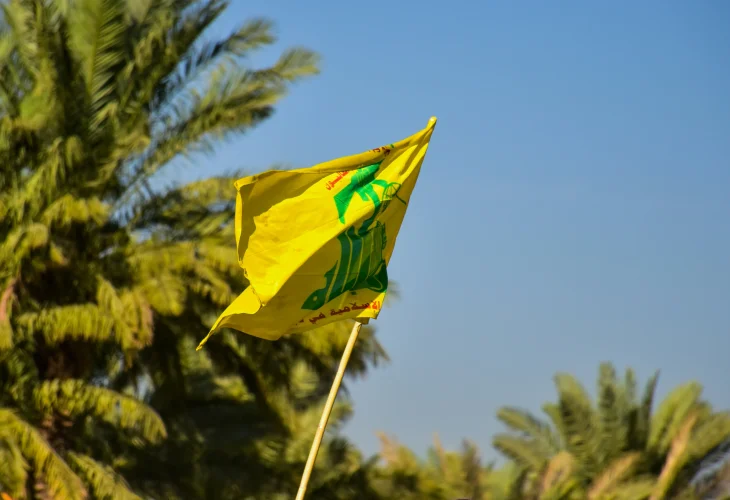
Hezbollah is facing one of the most significant financial challenges it has seen in years, as a coordinated effort by Israel, the United States, and the Lebanese government hits the funding mechanisms that sustain the terrorist organization. According to a report in The New York Times, based on documents and interviews with Lebanese, American, and Israeli officials as well as people close to Hezbollah, the group is struggling to maintain its economic and social operations and has been forced to make cuts and redefine its priorities.
According to the report, since Operation "Roaring Lion," Israel, working with the United States, has intensified its efforts to disrupt Hezbollah’s funding network. This is an extensive system of businesspeople, money changers, and cash-transfer routes operating in Lebanon, the United States, Middle Eastern countries, and Europe, which for years served as the organization’s financial lifeline. According to the sources cited, the damage is already leading to delays in salary payments to fighters, alongside a significant reduction in the operations of social welfare institutions, a central element in maintaining public support for Hezbollah.
In Israel and Washington, the economic pressure is viewed as a strategic component of the fight against Hezbollah, intended to complement military activity. The goal, according to the report, is to confront the organization’s leadership with a difficult choice: continue investing in rebuilding its military capabilities and rearming, or direct resources toward preserving the civilian services network on which its political power in Lebanon is based.
According to The New York Times, Israel identified Hezbollah’s economic infrastructure as a key target at the very beginning of the war that began last March. Contrary to expectations, the first targets the IDF warned about were not weapons depots or command centers, but branches of Al-Qard Al-Hasan—the Hezbollah-affiliated financial body that has long been described as the organization’s "bank." Israeli fighter jets struck more than a dozen of its branches. Later, money changers that Israel said were used to transfer funds from Iran to Hezbollah were also attacked, along with gas stations that generated income for the organization.
At the same time, the newspaper stressed that the true extent of the damage remains unclear. Hezbollah’s financial system has operated for years under a heavy veil of secrecy, and Iran and the organization have previously demonstrated their ability to adapt to pressure, rebuild their military strength, and find alternative sources of funding. Therefore, despite the achievements attributed to the economic campaign, The New York Times notes that it is too early to declare the battle decided.
Hezbollah spokesperson Youssef al-Zein acknowledged as early as May that compensation payments promised to families whose homes were destroyed during the fighting had been halted, while the organization copes with the needs of hundreds of thousands of displaced people. After the 2024 campaign, Hezbollah pledged that Al-Qard Al-Hasan would transfer between $12,000 and $14,000 to every family whose home was destroyed. According to the report, however, the payments were delayed again and again and were ultimately stopped altogether.
"The scale of the demands created by the campaign and the displacement placed a significant burden on Hezbollah," al-Zein said. According to him, resources are now being managed "according to priorities."

