

The Month of Elul
Can You Say Selichot Without a Minyan? Here’s What Halacha Says
Selichot can be recited without a minyan, but certain sections must be omitted. Here are the key halachic guidelines to know.
- Halacha Yomit
- | Updated
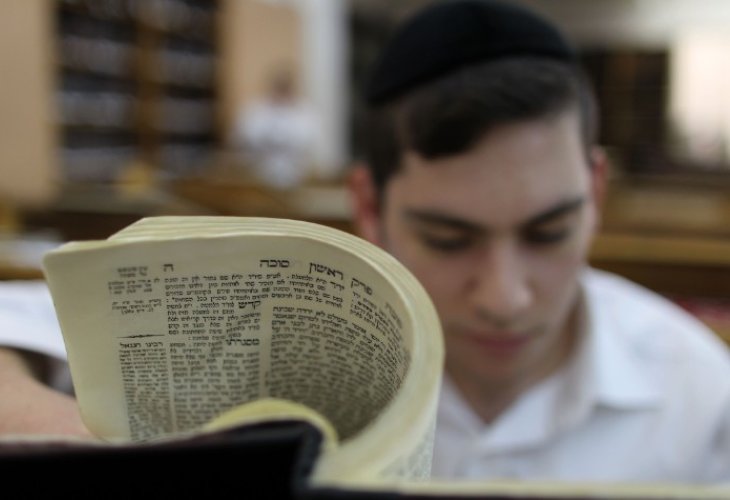
If someone recites Selichot alone, without a minyan of ten Jewish men, and does so at an appropriate time for Selichot, it is certainly worthwhile. After all, who is like Hashem, our God, whenever we call upon Him?
Hashem hears even the prayers of an individual. Selichot are heartfelt pleas and requests before Hashem, asking Him to bring us back through complete teshuvah, forgive our sins, and grant us a good new year.
However, while Selichot may be recited individually, there are certain sections that should not be said without a minyan.
Can You Say the Thirteen Attributes Without a Minyan?
Regarding the recitation of the Thirteen Attributes of Mercy, Seder Rav Amram Gaon cites Rabbeinu Natan Gaon as ruling that they may be recited as a prayer only with a congregation.
The reason is that Hashem made a covenant with Moshe Rabbeinu and our ancestors that the Thirteen Attributes would not return unanswered. When the community gathers together, asks for mercy, directs its heart toward its Father in Heaven, fasts, and gives charity, Hashem has mercy on them and does not reject their prayer.
Therefore, when praying alone without a minyan, one should not recite the Thirteen Attributes as a prayer, since the covenant Hashem made with the Jewish people does not apply in the same way to an individual.
Many other halachic authorities rule similarly. Maran writes in the Beit Yosef that the accepted practice follows Rabbeinu Natan Gaon: the Thirteen Attributes should not be recited as a prayer without a minyan.
There is, however, an important exception.
Maran writes in the Shulchan Aruch that an individual may read the Thirteen Attributes using the Torah cantillation, as though reading directly from the Torah. The restriction applies only when they are being recited as a prayer and plea for mercy. When they are read with the Torah cantillation as verses of Torah, there is no problem.
This was also the practical halachic ruling of Rabbi Ovadia Yosef, z”l.
What About the Aramaic Parts of Selichot?
The portions of Selichot written in Aramaic, including Rachmana, De’anei La’aniyei, Mechei U’Masei, and similar passages, should also not be recited by an individual.
This was also the ruling of Maran Rabbi Ovadia Yosef, z”l, in Chazon Ovadia (Yamim Nora’im, p. 11).
The halachic authorities explain that when Jews gather together as a congregation, the Shechinah is with them, and they do not require the assistance of the ministering angels for their prayers to be accepted.
An individual, however, does not have the presence of the Shechinah in the same way and requires the assistance of the ministering angels for their prayer to be accepted, as explained in Tractate Shabbat (12b).
Since the ministering angels do not understand Aramaic, an individual should not make personal requests in Aramaic. Instead, the preferred language for such requests is Lashon HaKodesh. For the same reason, the Aramaic portions of Selichot should not be recited alone.
When there is a minyan, however, the Shechinah rests among the congregation and these passages may be recited.
Bottom Line: Can You Say Selichot Alone?
Yes. An individual, whether male or female, may recite Selichot without a congregation.
However, when reciting Selichot alone:
- The Thirteen Attributes of Mercy beginning “Hashem, Hashem, compassionate and gracious God” should not be recited as a prayer. They may be read with the Torah cantillation as verses from the Torah.
- The Aramaic passages of Selichot, such as De’anei La’aniyei and similar prayers, should be omitted.
Even when a person cannot join a minyan, their prayers still have tremendous value. May Hashem hear our prayers, answer our supplications, and fulfill the desires of our hearts for good as we strive to serve Him.
Rulings of Rabbi Ovadia Yosef, z”l, courtesy of the Halacha Yomit website

