

Health and Nutrition
Can Scars Be Removed? The Best Treatments to Improve Scar Appearance
From silicone gels and sun protection to laser treatments, microneedling, and steroid injections, discover which options may help reduce the color, thickness, and texture of different types of scars
- Tehila Cohen
- | Updated
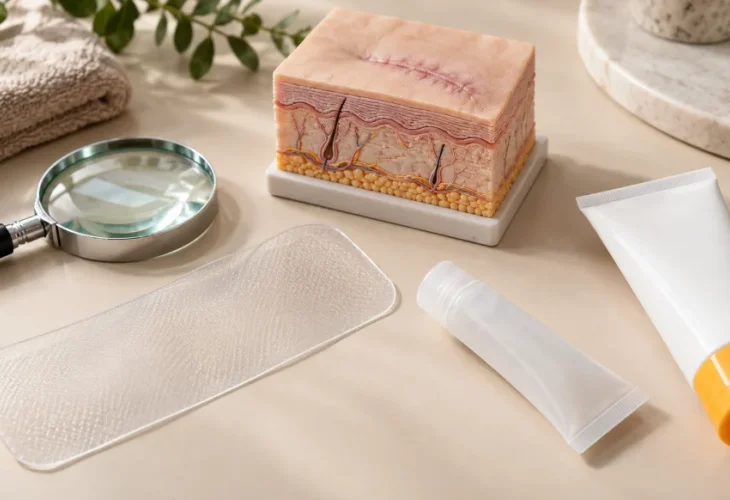
A scar forms when the body repairs an injury to the skin using collagen fibers. In most cases, a scar cannot be removed completely, but over time it may fade and flatten. The right treatment can also improve its color, texture, and thickness.
Treatment Begins While the Wound Is Healing
A wound should be cleaned gently, kept covered, and treated according to medical guidance. Silicone sheets, acids, and other active products should not be used on an open wound or one that is still producing discharge.
Once the skin has fully closed, it is important to protect the area from the sun with clothing or a broad spectrum sunscreen with an SPF of at least 30, as sun exposure can darken the scar.
Silicone for Raised Scars
Medical grade silicone gels and sheets are among the better established home treatments for new scars and surgical scars.
Consistent use over several months may help soften and flatten the scar while reducing redness, itching, and stiffness. If skin irritation develops, stop using the product and consult a doctor.
Not Every Scar Needs the Same Treatment
Raised scars may improve with steroid injections, cryotherapy, laser treatment, or a combination of treatments performed by a dermatologist.
Depressed scars, including certain types of acne scars, may respond to microneedling, laser treatment, medical peels, fillers, or procedures that release the tissue beneath the scar.
Scar revision surgery may be considered in some cases, but surgery itself creates a new scar and does not guarantee that a keloid will not return.
What About Oils and Home Remedies?
There is no strong evidence that vitamin E oil, lemon, or other home remedies can erase scars. Some may even cause irritation or skin discoloration.
Before treating a scar, it is important to identify what type of scar it is rather than relying on promises of quick results.
If a scar grows beyond the original boundaries of the wound, becomes painful or extremely itchy, limits movement, or changes in color or shape, it is advisable to see a dermatologist.
An accurate diagnosis is just as important as choosing the right treatment.

