

Sukkot
Room in Your Sukkah? Someone May Be Waiting for an Invitation
As families gather in their sukkahs, some people quietly spend the holiday alone. This Sukkot, take a moment to notice who might be waiting for an invitation.
- Moria Chen
- | Updated
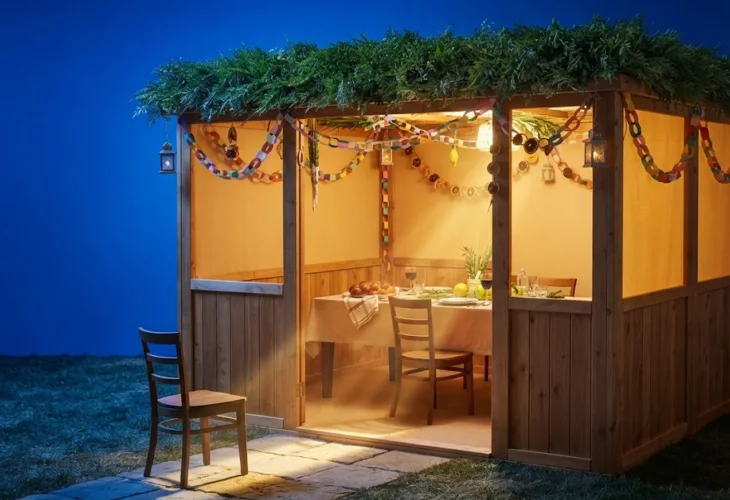
While the ushpizin enter the sukkah, some people remain outside.
They may live one floor above us. They may work beside us. Sometimes, they are members of our own family.
And during Sukkot, when it seems as though everyone is either hosting or being hosted, loneliness can feel more noticeable than ever.
Welcoming guests is one of Judaism’s most cherished mitzvot. Avraham sat at the entrance to his tent in the heat of the day, watching for travelers. He did not simply wait for guests to knock on his door. He actively looked for people to welcome.
Perhaps there is a lesson there for us too. Hachnasat orchim is not only about graciously welcoming the people who come. Sometimes, it means noticing the person who is unlikely to come unless someone reaches out first.
Who Are the Invisible People Around Us?
Loneliness does not always look the way we imagine.
Often, the people experiencing it continue going to work, buying groceries, chatting with neighbors, and answering, “Fine, thanks,” when someone asks how they are. Then they return to an empty home.
It might be:
- The older neighbor whose children live far away or with whom contact has been lost.
- A widow or widower facing their first holiday without their spouse.
- A divorced parent spending the holiday without their children.
- A new immigrant who has no family nearby and has not yet built a circle of friends.
- An older single person whom everyone assumes already has somewhere to go.
- A lone soldier without family nearby for the holiday.
- A bereaved parent or sibling whose holiday table looks very different this year.
- Someone who is ill or recovering and cannot easily leave home.
- A caregiver who cannot leave a dependent family member alone.
- A student or young adult who recently moved to a new city and barely knows anyone.
- Someone whose religious journey has left them disconnected from the family environment in which they grew up.
- A new family in the neighborhood whom everyone assumes someone else has already invited.
- A person with a disability who may find many sukkahs difficult or impossible to access.
- Someone struggling financially who avoids accepting invitations because they feel embarrassed arriving empty-handed.
What many of these people have in common is that they probably will not ask for an invitation.
Someone who is alone during the holidays may be especially reluctant to “impose” on another family. And that reluctance can make loneliness remarkably easy to miss.
Five Ways to Reach Out This Sukkot
1. Think about who might be alone
Go through your contacts and ask yourself a different question. Instead of, “Who would be a good fit for our table?” ask, “Who might not have a table to go to?”
One small shift in perspective may bring someone to mind whom you otherwise would not have considered.
2. Make the invitation clear
There is a big difference between “If you’re around, feel free to stop by” and “We’re eating at seven, and we’d really love you to join us.”
A clear invitation tells someone that they are genuinely wanted, not simply being included out of politeness.
3. Don’t necessarily give up after one refusal
People who are used to being alone may automatically decline because they do not want to inconvenience anyone.
There is no need to pressure someone who genuinely does not want to come, but a warm second invitation can make it clear that the first offer was sincere.
4. Remember That Hospitality Can Mean Going to Them
Not everyone is able or comfortable enough to leave home.
Sometimes hachnasat orchim can take a different form: bringing over something to eat, stopping by for a visit, or simply sitting with someone for half an hour.
The important thing is not always where the meeting takes place. It is making sure someone knows they have not been forgotten.
5. Let the Children Take Part
Children can learn an extraordinary lesson from something as simple as carrying a plate of cake to an older neighbor or helping invite someone who might otherwise be alone.
Instead of only teaching them about the mitzvah of welcoming guests, we can let them experience what it means to notice another person and make room for them.
Look for the Empty Seat
We spend a great deal of time preparing our sukkahs: hanging decorations, arranging chairs, planning menus, and making sure there will be enough food for everyone.
This year, it may be worth looking beyond the people already on the guest list.
Who lives nearby? Who recently experienced a loss? Who is new? Who has nowhere obvious to go? Who might be waiting for an invitation they would never feel comfortable requesting?
Sometimes the most meaningful act of hachnasat orchim begins before anyone walks through the door.
It begins when we notice who is missing and make sure there is a seat waiting for them.

