

Health and Nutrition
Heading Outdoors This Chol HaMoed? Your Brain May Thank You
This Chol HaMoed, step outside and slow down. Discover what research says about nature, stress, and attention, and how it connects to Jewish thought.
- Yitzchak Eitan
- | Updated
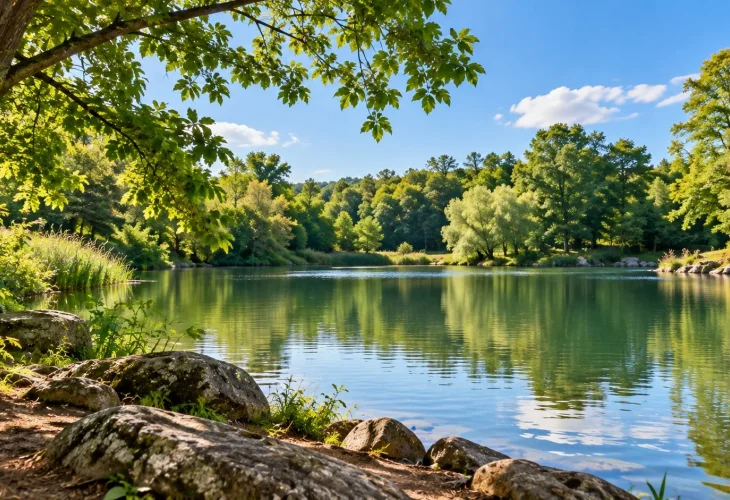
Chol HaMoed is a perfect opportunity to get out of the house, spend time together as a family, and enjoy the outdoors. Whether that means visiting a local park, taking a walk through the woods, heading to a lake, or simply finding a quiet green space nearby, getting outside may offer benefits that go far beyond a fun family outing.
A growing body of research suggests that spending time in nature can help reduce stress and support our overall sense of well-being. In some ways, modern research is exploring something Jewish tradition has long encouraged us to appreciate: stepping away from the noise of everyday life and taking time to notice the world Hashem created.
What Happens When We Spend Time in Nature?
Think about how much of an ordinary day is spent responding to demands on our attention.
Messages arrive. Screens compete for our focus. Work needs to be completed. Errands are waiting. There is almost always something else to check, answer, or think about.
Then compare that with sitting beneath a tree, walking along a quiet trail, listening to birds, or watching water move across a lake.
Research has linked time in natural environments with lower perceived stress and, in some studies, changes in physiological measures such as cortisol, blood pressure, and heart rate. Being surrounded by trees, water, fresh air, and open space may help the body relax after the constant stimulation of everyday life.
There may be mental benefits as well.
One influential explanation, known as Attention Restoration Theory, suggests that many everyday tasks require sustained, directed attention, which can eventually become mentally tiring. Natural surroundings, by contrast, tend to capture our attention more gently.
Rustling leaves, birdsong, moving water, and changing scenery can hold our interest without demanding intense concentration. This may give our directed attention an opportunity to recover, which could help explain why spending time outdoors can leave us feeling mentally refreshed.
Nature Through a Jewish Lens
The idea of deliberately noticing the natural world also fits beautifully within Jewish thought.
In Chovot HaLevavot, contemplating creation is presented as a way to recognize Hashem’s wisdom and deepen our awareness of Him.
From a Jewish perspective, then, spending time in nature can become more than simply a relaxing activity. Looking carefully at the world around us can inspire gratitude, wonder, and emunah.
A Chol HaMoed outing does not have to be about how far you hike, how many attractions you visit, or how much you manage to fit into a single day.
Sometimes the most valuable part of the outing may be simply stopping.
You Don’t Need to Plan a Big Trip
You do not need mountains, waterfalls, or an elaborate day trip to experience the benefits of being outdoors.
A neighborhood park, botanical garden, wooded trail, beach, lake, or even a quiet patch of grass can give you an opportunity to slow down.
Try putting your phone away for a while, too. If every quiet moment becomes another opportunity to check messages, scroll through updates, or answer notifications, it becomes much harder to give your surroundings your full attention.
Sit beneath a tree. Take an unhurried walk. Listen to the birds. Let the children explore. Spend a little time without trying to accomplish anything.
Chol HaMoed already gives us an opportunity to step outside our normal routine. Spending some of that time outdoors can give us something increasingly rare: a chance to slow down, reconnect with the people around us, appreciate Hashem’s creation, and simply be present.

