

Health and Nutrition
The Simple Health Habit You May Be Overlooking Every Day
We hear plenty about superfoods, fiber, and exercise, but one of the body’s most basic needs is often overlooked. Here’s why it matters more than you may realize.
- יצחק איתן
- | Updated
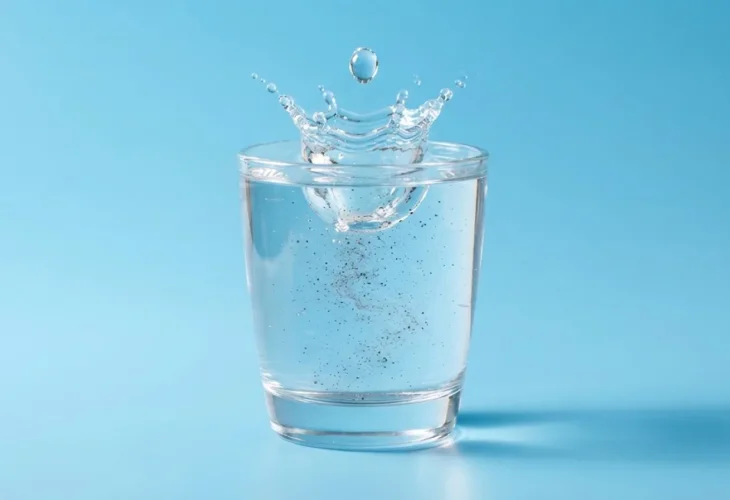
Ask for advice on reducing the risk of chronic disease, and you will probably hear about eating more fiber, filling your plate with vegetables, exercising regularly, and getting enough sleep.
But there is another basic part of good health that is easy to overlook: staying properly hydrated.
Water is essential to almost every system in the body. It helps regulate body temperature, transport nutrients, support digestion, maintain normal blood volume, and allow the kidneys to remove waste through urine.
So while drinking more water is not a magic shield against disease, getting enough fluids is an important part of keeping the body functioning as it should.
What Happens When You Don’t Drink Enough?
Jana Rich, a clinical oncology dietitian at OSF HealthCare, emphasizes the importance of adequate hydration as part of supporting the body's normal functions.
When you become dehydrated, the body has less fluid available to carry out essential processes efficiently. More significant dehydration can affect everything from concentration and energy levels to kidney function and circulation.
The kidneys are particularly dependent on adequate fluid intake. Water helps them filter the blood and remove waste products through urine. Drinking enough also helps keep urine less concentrated and can reduce the risk of certain types of kidney stones.
There is also scientific interest in the relationship between hydration, oxidative stress, and long-term health. However, this area is complex, and it would be an oversimplification to suggest that simply drinking more water prevents cellular damage or chronic disease.
The more practical message is much simpler: your body needs adequate fluid every day to function normally.
Water Is Only Part of the Picture
Hydration works best as one part of an overall healthy lifestyle rather than as a health strategy on its own.
A diet rich in plant foods can provide fiber, vitamins, minerals, and a wide variety of beneficial plant compounds. Fruits, vegetables, whole grains, legumes, nuts, and seeds can all contribute to a balanced eating pattern associated with better long-term health.
And you do not have to become vegan or vegetarian to eat more plants.
Instead, try making plant foods a larger part of your meals. Add beans to a soup, serve an extra vegetable with dinner, snack on fruit and nuts, or replace some refined grains with whole grains.
Interestingly, food contributes to hydration, too. Fruits and vegetables such as watermelon, oranges, cucumbers, tomatoes, and leafy greens contain significant amounts of water alongside their other nutrients.
So How Much Water Do You Actually Need?
There is no single amount of water that is right for everyone.
Fluid needs vary according to factors such as body size, activity level, climate, pregnancy or breastfeeding, diet, medications, and health conditions. Water from food and other beverages also contributes to your overall fluid intake.
Rather than becoming fixated on a specific number of glasses, make drinking regularly part of your day and pay attention to thirst and other signs that you may need more fluid, particularly during exercise or hot weather.
People with certain kidney, heart, or other medical conditions may need individualized advice about fluid intake and should follow the recommendations of their healthcare provider.
The bottom line is refreshingly simple: you do not need an elaborate wellness routine to support your health.
Eat a varied, nutrient-rich diet, move your body, get enough sleep, and remember one of the most basic things your body asks of you every day: give it enough to drink.

