

Health and Nutrition
The 8 Glasses a Day Rule: Do You Really Need That Much Water?
You may not need to count every glass of water you drink. Here’s how thirst, food, and your kidneys help your body stay properly hydrated.
- Yitzchak Eitan
- | Updated
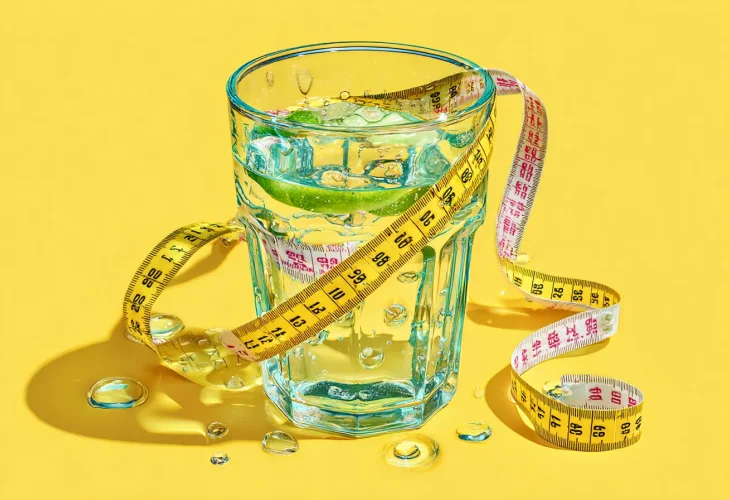
For years, you may have heard that you need to drink exactly eight glasses of water a day to stay healthy, think clearly, and keep your skin looking its best. But is that familiar rule actually backed by science?
According to Dr. Jen Gunter, a physician and prominent health educator, there is no universal requirement for everyone to drink exactly eight glasses of water each day. For most healthy people, carefully counting every glass may be unnecessary, and drinking more water than the body needs does not automatically lead to glowing skin or sharper thinking. Often, it simply means more trips to the bathroom.
So how does the body know when it needs more water? The answer lies largely in a remarkably sophisticated system involving the kidneys and our natural sense of thirst.
Your Body Is Designed to Regulate Hydration
The kidneys do much more than simply filter waste. They constantly help regulate the balance of water and electrolytes in the body, adjusting how much water is retained or released depending on what the body needs.
Thirst is another important part of this system. When the body needs more fluid, biological signals help trigger the desire to drink. For many healthy adults under ordinary conditions, paying attention to thirst can therefore be a practical guide to hydration.
As Dr. Gunter puts it simply: When you are thirsty, drink.
That means most people do not necessarily need an app, a rigid drinking schedule, or a daily mission to reach a particular number of glasses.
Water Does Not Only Come From Water
It is also easy to forget that our total fluid intake includes much more than the water we drink from a glass or bottle.
Coffee, tea, milk, soups, fruits, vegetables, and many other foods and beverages contribute to daily hydration. Foods with a high water content, such as watermelon, oranges, cucumbers, and tomatoes, can all add to the fluids we consume throughout the day.
In other words, the body does not distinguish hydration based on whether the fluid came from a water bottle, a bowl of soup, or a juicy piece of fruit.
When Thirst May Not Be Enough
There are, however, important exceptions. Relying solely on thirst may not be appropriate for everyone or in every situation.
Older adults, for example, may have a less sensitive thirst response. Certain medical conditions and medications can also affect fluid needs, while people with conditions such as kidney stones may receive specific hydration recommendations from their healthcare providers.
Fluid needs can also increase during intense exercise, heavy sweating, illness, or extremely hot weather. In these situations, it may be important to pay closer attention to hydration rather than waiting until you feel particularly thirsty.
Anyone who has been given specific instructions about fluid intake because of a medical condition should follow the guidance of their healthcare professional.
So, Do You Really Need Eight Glasses a Day?
There is no single amount of water that is ideal for every person, every day. Fluid needs vary depending on factors such as body size, diet, activity level, environment, age, and overall health.
For many healthy adults, the simpler approach is also the most practical: eat a balanced diet that includes fruits and vegetables, drink when you are thirsty, and increase your fluid intake when circumstances require it.
Rather than becoming preoccupied with reaching an arbitrary number of glasses, pay attention to what your body is telling you. Hydration is essential, but staying hydrated does not have to become another complicated daily task.

