

Health and Nutrition
Don’t Eat Dairy? Here’s Where to Get Your Calcium
From tahini and tofu to leafy greens and fortified plant-based milk, these everyday foods can help you get the calcium your body needs without dairy.
- הידברות
- | Updated
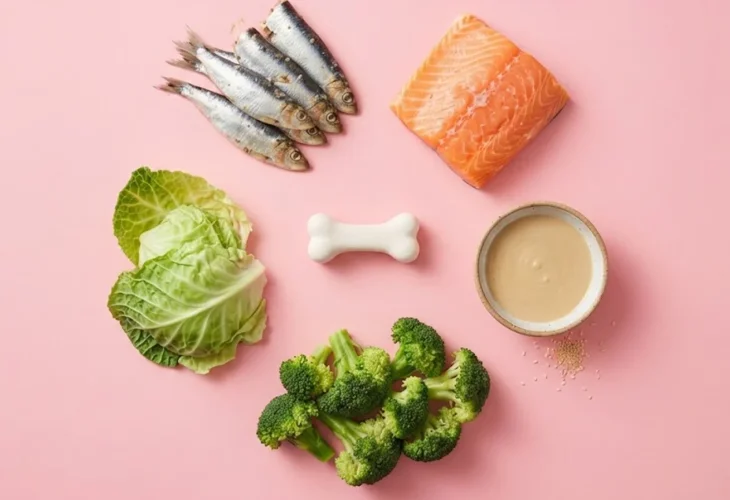
Calcium is essential for much more than strong bones and teeth. The body also needs it for normal muscle function, nerve signaling, and other important processes.
Dairy products are well-known sources of calcium, but they are far from the only option. Whether you avoid dairy because of lactose intolerance, follow a vegan diet, or simply prefer not to eat it, there are plenty of other foods that can help you meet your calcium needs.
Plant-Based Sources of Calcium
Sesame seeds and tahini can contribute calcium to the diet, although the amount varies depending on the product and how it is made. Almonds are another useful source and also provide protein, healthy fats, and other nutrients.
Certain vegetables can be particularly valuable. Kale, broccoli, bok choy, and some types of cabbage contain calcium that the body can absorb relatively well.
However, calcium content alone does not tell the whole story. Some leafy greens, such as spinach and Swiss chard, contain high levels of oxalates, compounds that bind to calcium and make much of it harder for the body to absorb. So while these vegetables can still be nutritious additions to your diet, they should not necessarily be relied upon as your primary calcium source.
Tofu can be one of the best options for people following a plant-based diet, particularly when it is prepared with calcium salts. The amount varies considerably between brands, so it is worth checking the nutrition label. Soybeans and edamame can also contribute both calcium and protein.
Fortified Foods Can Make a Big Difference
Fortified foods are another easy way to increase calcium intake without dairy.
Many soy, almond, and oat drinks are fortified with calcium, sometimes providing an amount comparable to cow’s milk per serving. However, not every plant-based drink is fortified to the same level, making the nutrition label important.
Some breakfast cereals and other foods are also fortified with calcium.
If you use plant-based milk regularly, remember to shake the container before pouring it. Added calcium can settle toward the bottom, meaning you may not receive the amount listed on the label if the drink has not been mixed properly.
For people who eat fish, canned sardines with their edible bones are an excellent source of calcium. Canned salmon can also provide significant calcium when the soft bones are included and eaten.
Don’t Forget Vitamin D
Getting enough calcium is only part of the picture. Vitamin D plays an essential role in helping the body absorb calcium and maintain healthy bones.
The body can produce vitamin D through exposure to sunlight, while smaller amounts are also available through certain foods and fortified products. However, factors including limited sun exposure, age, skin pigmentation, location, and lifestyle can affect vitamin D levels.
People who are concerned about their vitamin D status can discuss testing and supplementation with a healthcare professional rather than assuming they need a particular dose.
Ultimately, avoiding dairy does not automatically mean falling short on calcium. A varied diet containing calcium-rich vegetables, tofu, legumes, tahini, fortified plant-based products, and, for those who eat them, fish with edible bones can provide plenty of opportunities to get this important mineral.
The key is not finding one perfect replacement for milk, but regularly including several reliable sources of calcium throughout the day.

