

Parashat Toldot
Why Does Hashem Allow Hardship? A Powerful Lesson on the Purpose of Prayer
Rabbeinu Bachya reveals why Rivkah’s barrenness was more than a challenge to overcome, offering a profound insight into why Hashem desires our prayers and how tefillah can even change the course of nature
- Amitai Chanaya
- | Updated
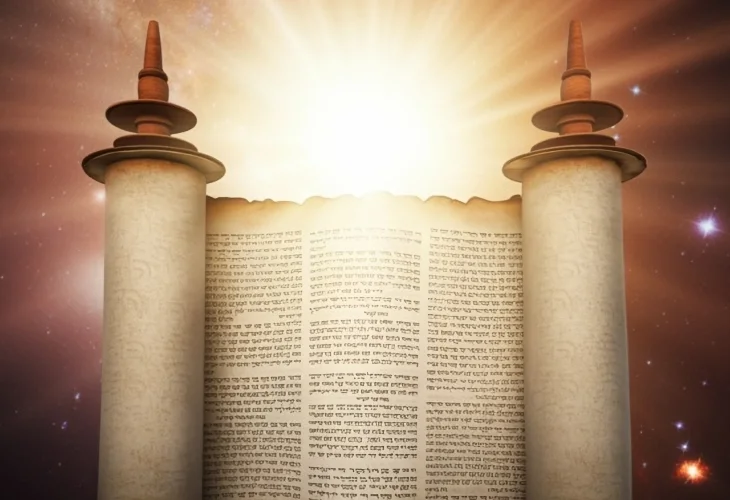
“And Isaac prayed to Hashem on behalf of his wife, because she was barren; and Hashem answered his prayer, and Rivkah his wife conceived.” (Genesis 25:21)
Rabbeinu Bachya raises an intriguing question: Why does the Torah begin by describing Isaac’s prayer rather than first informing us that Rivkah was barren? Logically, we would expect the verse to mention Rivkah’s inability to conceive before describing Isaac’s prayers on her behalf.
As Rabbeinu Bachya writes: “The verse should have first stated, ‘And Rivkah was barren,’ and only afterward, ‘And Isaac prayed to Hashem because she was barren.’”
Rabbeinu Bachya explains that the Torah deliberately places the prayer first because prayer is the central element of the story. Rivkah’s barrenness was not simply a physical condition that prompted Isaac and Rivkah to pray. Rather, according to this interpretation, the situation itself was brought about so that they would turn to Hashem in prayer.
Prayer was not merely a response to Rivkah’s barrenness; the opportunity for prayer was the underlying purpose of the challenge. By mentioning Isaac’s prayer before revealing Rivkah’s condition, the Torah teaches that prayer was the primary reason for her barrenness, rather than the other way around.
As Rabbeinu Bachya explains: “The fact that the verse mentions prayer first may be understood as placing the essential matter first. This teaches us that barrenness was not the cause of the prayer, for then the cause would be primary and the prayer secondary. Rather, the verse intends to convey that prayer was the cause of the barrenness. Rivkah was barren only so that both she and Isaac would pray about the matter. Therefore, the verse places prayer first, since it was the primary purpose and underlying reason for Rivkah’s barrenness.”
When the Challenge Is an Invitation to Pray
Rabbeinu Bachya further cites the teaching of our Sages that the Matriarchs were barren because Hashem desires the prayers of the righteous. Their difficulties were intended to inspire heartfelt prayer and deepen their relationship with Him.
This teaching reveals the extraordinary significance of prayer. Rather than viewing prayer solely as a means of asking Hashem to resolve our difficulties, Rabbeinu Bachya encourages us to recognize that challenges themselves can create opportunities for a deeper connection with Him.
He concludes by emphasizing the remarkable power of prayer: “This is what our Sages taught: Why were the Matriarchs barren? Because the Holy One, blessed be He, desires the prayers of the righteous. From this we can also learn how exceedingly great the power of prayer is, for it can even change the course of nature itself.”

