

Interesting
Bridges Built for Wildlife: How Animals Cross Highways Safely
From bears in Canada to bobcats in Texas, researchers are using cameras, GPS tracking, and genetic testing to discover how wildlife crossings reduce collisions and reconnect animal populations
- Tehila Cohen
- | Updated
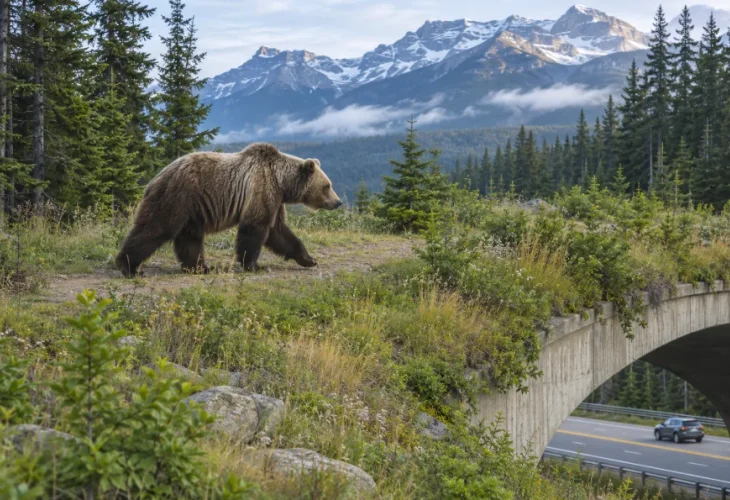
Around the world, specially designed bridges are helping wild animals cross busy highways without setting foot on the asphalt. How do researchers know whether animals are actually using these crossings? To find out, scientists have installed cameras and tracking devices to monitor wildlife movement.
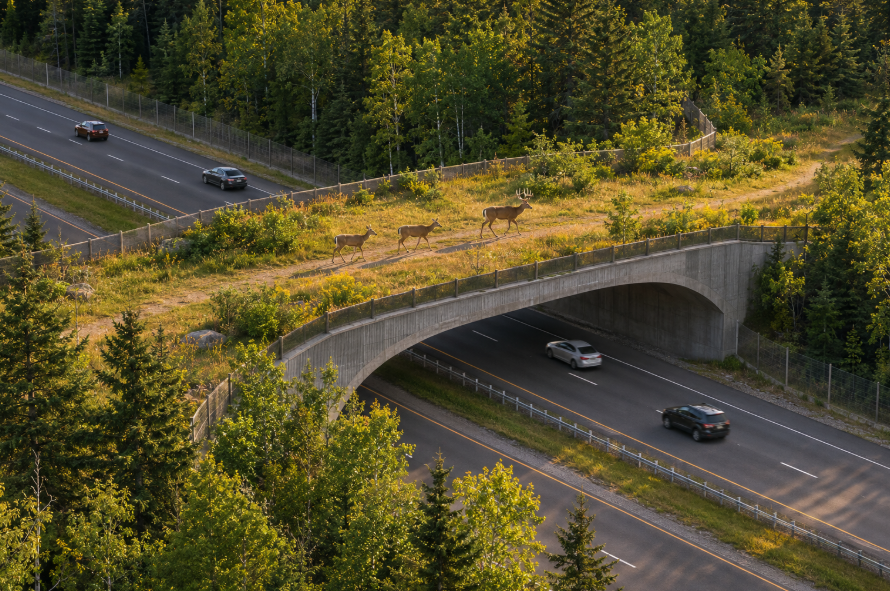
As animals search for food, mates, and suitable habitats, they often encounter roads that cut through their natural environments. Crossing these busy routes puts them at risk of being struck by vehicles. To reduce these dangers, wildlife bridges have been constructed in various locations, allowing animals to move safely between habitats.
Bridges are only one solution. In some areas, wildlife underpasses have been built beneath highways, while fences along the roads prevent animals from entering traffic lanes and guide them toward designated crossings.
Research suggests that the width of these structures can make a significant difference. A study examining wildlife activity on 12 bridges in western North America found that wider crossings recorded nearly twice as many animal crossings on average and attracted a greater variety of species.
How Scientists Track Wildlife Crossings
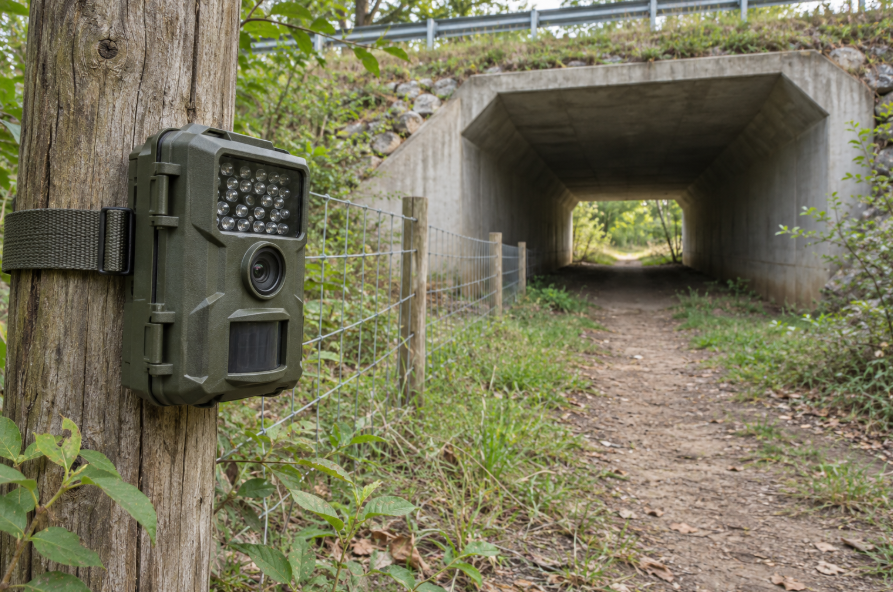
Motion-activated cameras provide researchers with valuable information about the animals using these structures. The cameras can identify which species approach a crossing, when they arrive, and the direction in which they travel. By placing cameras at both ends of a crossing or combining photographic evidence with GPS tracking data, researchers can gain a clearer picture of how animals navigate these routes.
In southern Texas, scientists used GPS-equipped collars to track wildcats and cameras to verify their use of wildlife crossings. They documented 37 crossings by bobcats wearing active tracking collars. However, despite the availability of these structures, the tracked animals continued to cross directly over the roads more frequently than they used the designated passages.
These findings suggest that while wildlife crossings provide an important alternative, their construction does not necessarily eliminate dangerous road crossings. Animals may continue following familiar routes or choosing other paths through their environment.
What Happened to the Bears After Crossing?
In Canada's Banff National Park, researchers wanted to determine whether wildlife crossings were doing more than simply allowing animals to travel safely across highways. They investigated whether the structures were helping reconnect bear populations living on opposite sides of the road.
To answer this question, scientists collected hair samples and compared the genetic information of bears using the crossings with that of other bears in the surrounding area.
The results revealed that some grizzly bears and black bears using the crossings had also successfully reproduced. Among grizzly bears, researchers found evidence of gene flow between populations on opposite sides of the highway, suggesting that the crossings were helping maintain genetic connections between groups that might otherwise become isolated.
This discovery highlighted an important benefit that cameras alone could not reveal. Wildlife crossings may not only prevent accidents but also contribute to the long-term health and genetic diversity of animal populations.
Can Wildlife Crossings Reduce Animal-Vehicle Collisions?
Beyond observing animal movement, researchers also examine roadkill statistics to determine whether wildlife crossings improve safety. An analysis combining findings from 50 studies on measures designed to reduce animal-vehicle collisions found that the combination of fencing, bridges, and underpasses was associated with an approximately 83% reduction in collisions involving large mammals.
Together, these findings demonstrate that the effectiveness of wildlife crossings can be measured in several ways. Cameras reveal which animals approach and use the structures, collision data show whether fewer animals are being struck by vehicles, and genetic testing can determine whether previously separated populations are reconnecting.
By combining these methods, scientists can better understand how wildlife crossings protect animals, improve road safety, and help preserve the natural connections between habitats divided by human infrastructure.

