

Personal Stories
From Heartbreak to Hope: A Father's Remarkable Journey of Faith
After his 17-year-old son was murdered in the October 7 Hamas attacks, Itzik Rosenberg turned to songwriting, music, and a newfound belief in Hashem to cope with unimaginable grief, honor his son's memory, and inspire others
- Michal Arieli
- | Updated
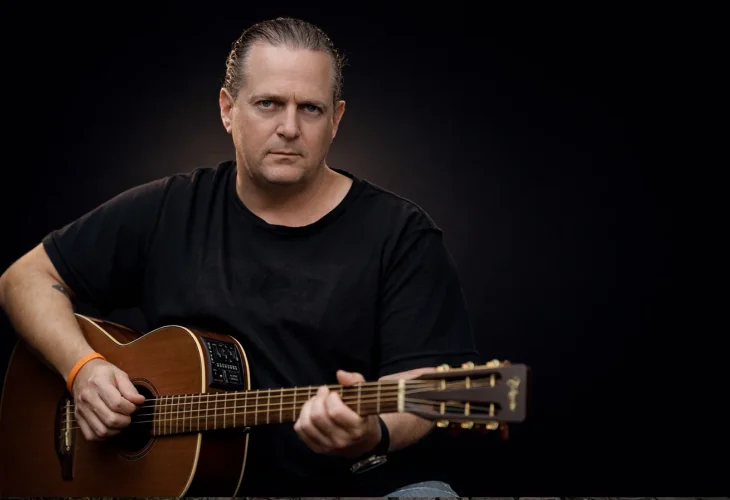 Itzik Rosenberg (Photo: Reuven Hayun)
"I was always just Itzik," says Itzik Rosenberg, a resident of Dimona. "Until three years ago, I introduced myself as a father of three and a train driver. That was my identity. Today, I'm neither."
On October 7, 2023, Rosenberg's 17-year-old son, Matan, was murdered in the Hamas terrorist attacks, along with two members of his extended family. The tragedy transformed his life, forcing him to confront unimaginable loss and eventually leading him toward music, writing, and faith.
"Like every Shabbat, we had gone to visit my wife's parents in Moshav Yated," Rosenberg recalls. "At 6:30 a.m., we woke to rocket sirens. We'd known the area for 27 years, and occasional sirens had become almost routine. We never imagined what was about to happen."
A Morning That Changed Everything
When the electricity went out, the family hurried downstairs and took shelter beneath the staircase. They soon realized that four relatives were missing: Matan, Rosenberg's wife's brother, and her two brothers-in-law. The four had attended a party during the night and were trying to return home.
"At 7:01 a.m., I called Matan, and he calmly told me, 'We'll get into the car and head back soon.'"
At 7:25, one of the brothers-in-law called his wife to report that their vehicle had been hit. A few minutes later, he called again from a roadside shelter and explained that before escaping the car, he had checked the other three occupants. None were moving.
The victims were Matan, 17; Noam Maudi, Rosenberg's 29-year-old brother-in-law; and Moti Elkabetz, 40, who left behind a wife and three young children.
 Matan Rosenberg
Meanwhile, the family sheltering in Yated began hearing automatic gunfire. Messages in the community's WhatsApp group warned that terrorists had infiltrated the area.
"We barricaded the doors with furniture and hid inside," Rosenberg recalls. "I wasn't thinking about my son. I wasn't crying. I was terrified and wondering whether I would survive."
For hours, they remained trapped without electricity or reliable information. Outside, gunfire continued, and the familiar landscape was transformed by smoke and flames. Rosenberg repeatedly tried calling Matan, but although the phone rang, nobody answered.
That evening, a relative arrived and urged them to flee. Three families squeezed into two cars and drove through the sandy roads, afraid of encountering terrorists or being mistaken for attackers by Israeli soldiers.
Only afterward did Rosenberg discover a message his nine-year-old son had sent to friends: "I hope I get out of today alive."
 Noam Maudi
After nearly an hour, they reached Kibbutz Tze'elim. The relative who had helped them escape then returned to the area to rescue his brother, the sole survivor of the attack on Matan's car.
The survivor later explained that terrorists had opened fire near Mivtahim Junction, disabling their vehicle. After it stopped, the attackers approached and fired again. A soldier subsequently arrived and killed the two terrorists, saving the surviving man's life.
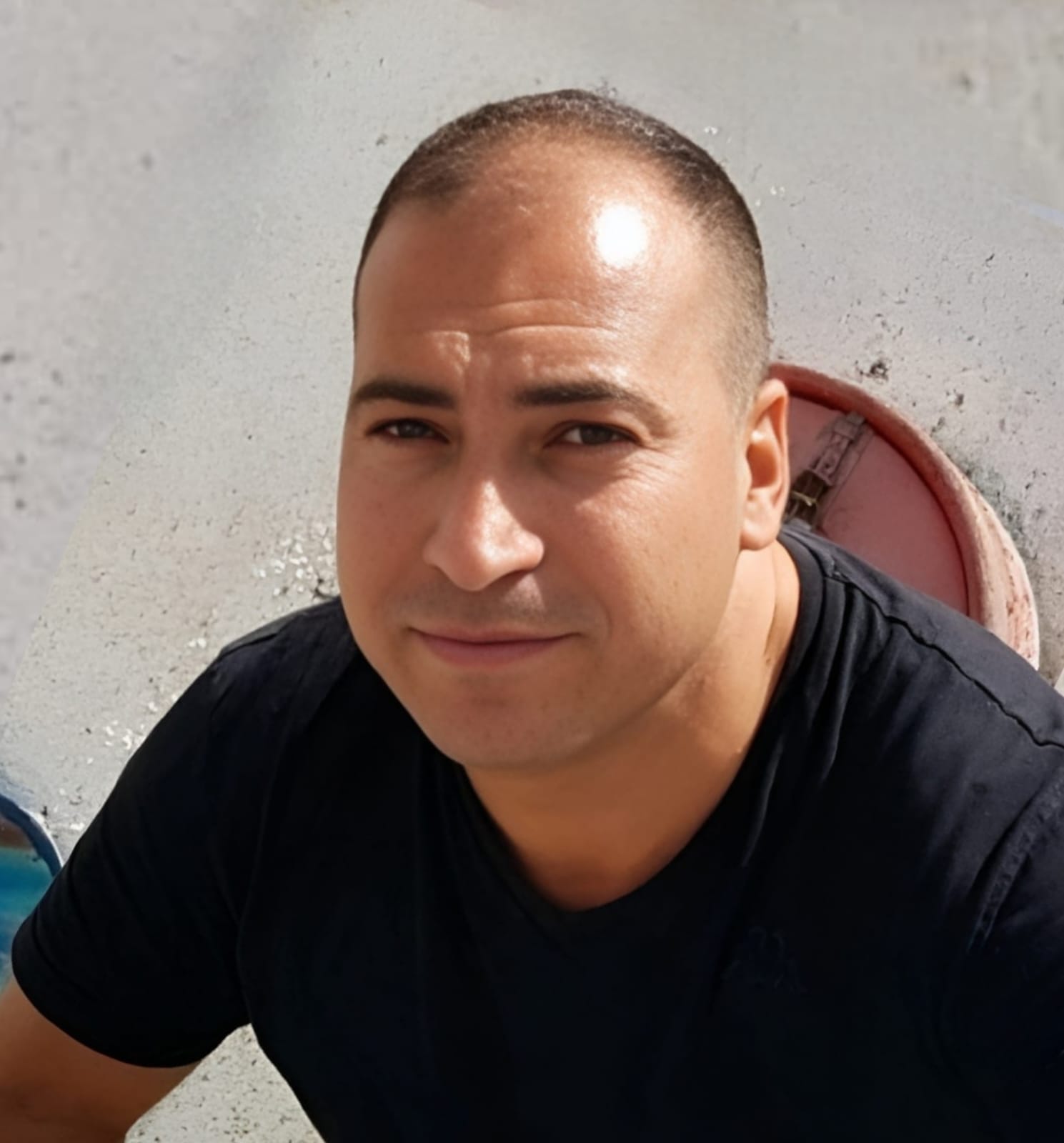 Moti Elkabetz
An Agonizing Wait and an Unimaginable Funeral
The following day, the family began searching for official information about their missing relatives. Two days later, Rosenberg's wife received confirmation that her brother and brother-in-law had been identified.
"When she asked about Matan, they had no answer," Rosenberg recalls.
The family returned to the moshav for a brief funeral under military protection and began sitting shiva. Matan's identification was confirmed only eight days later.
"The day after we finished sitting shiva, we held Matan's funeral and began another seven days of mourning."
For Rosenberg, the experience was particularly overwhelming. "I'd never attended a funeral in my life. I'd never even been to a cemetery. My eldest son's funeral was the first funeral I ever attended."
He remembers wearing large sunglasses, sitting quietly, and following instructions as people approached to comfort him. A medic was assigned to remain nearby because of concerns that he might faint.
"When they asked me to identify Matan and say goodbye, I saw him wearing the same clothes and shoes I remembered. I just wanted everything to be over so I could go home."
Afterward, Rosenberg and his wife tried to resume their routines. Outwardly, they appeared determined to continue living, despite the devastating losses. "People kept telling me how strong I was," he recalls. "But inside, everything was falling apart."
He began experiencing nightmares and sought professional help. After trying medication that he felt made him worse, he decided to explore other ways of coping.
Turning Loss Into Music
"Matan was our eldest child," Rosenberg explains. "We'd waited three years to have children, and when he was born, we named him Matan because he was our gift."
Matan loved music and had become an exceptionally talented pianist by the age of 17. But his father remembers him most for his generosity.
"He brought home children who had nowhere to sleep and took extra sandwiches to school for classmates who didn't have food. He was always helping people and trying to prevent arguments."
Determined to preserve those qualities, Rosenberg wrote a children's book inspired by his son. Its main character is a butterfly who helps others resolve disagreements and learn to compromise. The experience encouraged him to continue writing. He composed a song about Moti, began studying songwriting, purchased a guitar, and learned to play despite having no previous musical experience.
Today, he has written 17 songs and is preparing to record his third album. "The pain doesn't disappear," he says. "After all the writing and recording, I still return home to an empty room. Writing is like taking a painkiller for a headache. It provides temporary relief, but it doesn't remove the pain."
Rosenberg also left his job as a train driver because he could no longer maintain the concentration it required. He now devotes much of his time to music and hopes to perform on major stages. "I have so much to say and sing. I feel that this is how I keep Matan's memory alive."
Most of his songs reflect his family's experiences, but he also writes about hope. He wants his music to reach people dealing with bereavement and post-traumatic symptoms, encouraging them to seek support and discover ways to cope.
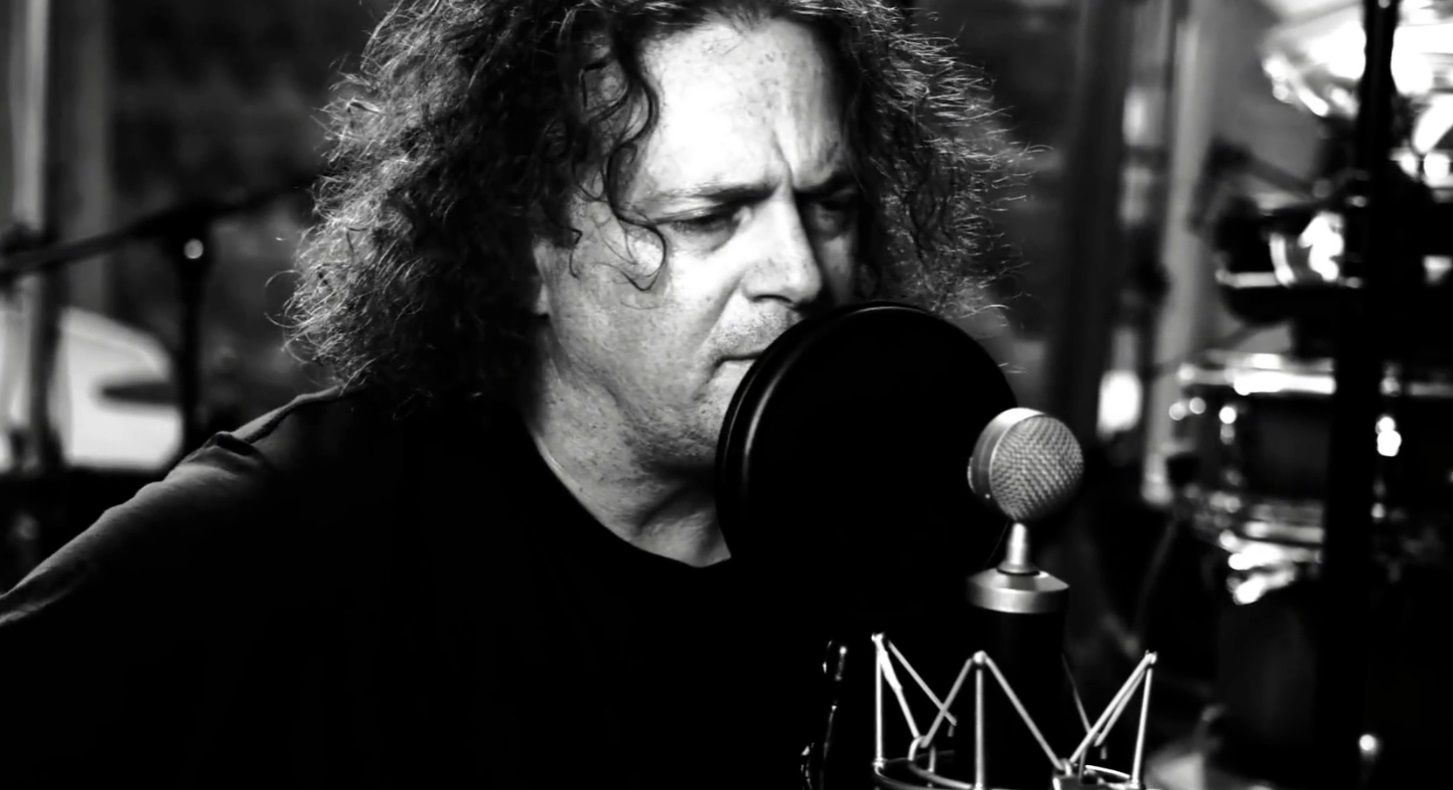 Itzik Rosenberg in the studio (Photo: Reuven Hayon)
Finding Faith After Tragedy
The events of October 7 also brought an unexpected change in Rosenberg's spiritual life.
"Before everything happened, I considered myself an atheist. That's how I was raised," he explains. "But after what we experienced, and other things that happened afterward, I began believing that there is a Creator."
Today, he enjoys listening to religious teachings and occasionally attends Torah classes in the evenings. "It helps me feel that there's a reason to wake up in the morning," he says. "There are good things for us to accomplish in this world. And there's Someone to thank for the fact that we're alive at all."
Rosenberg knows that nothing can replace Matan or restore the life his family once knew. Yet through writing, music, and a growing connection to faith, he has discovered a new sense of purpose.
His hope is that by sharing Matan's legacy of kindness and generosity, he can offer encouragement to others while ensuring that his son's memory continues to touch lives.
 Personal StoriesFrom Rebellion to Faith: Miriam Shmueli’s Journey Back to Judaism
 MagazineForever Remembered: Turning the Stories of Israel’s Fallen Into Living Legacies
 Personal StoriesYuval Dayan on Faith, Self-Worth, and Her Journey to Religious Observance
 MagazineFrom Fame to Faith: When a Son Is Wounded in War

