

Naturopathy and Natural Medicine
Homemade Herbal Pain Relief Balm: A Traditional Remedy for Sore Muscles and Joints
Discover a traditional warming balm made with cayenne pepper, turmeric, ginger, and olive oil, along with its potential benefits, preparation instructions, and important safety precautions
- Shira Dabush
- | Updated
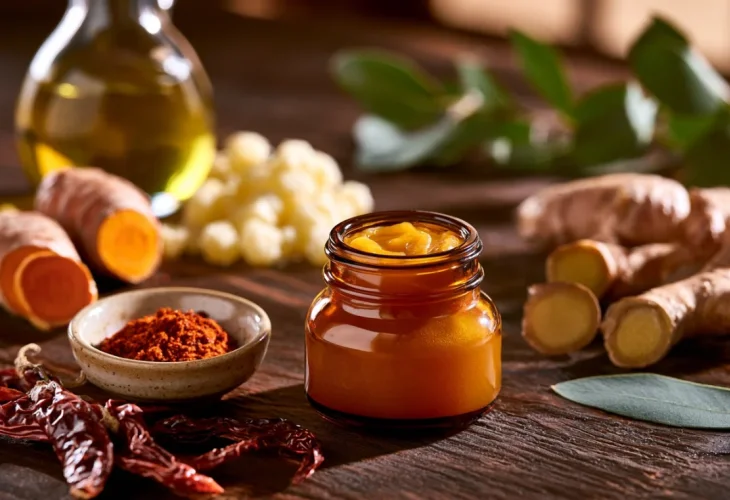
In recent years, more people have been turning to ingredients found in their kitchen cupboards for relief from muscle soreness, joint discomfort, and the effects of physical strain. Among the many traditional home remedies circulating on social media, one preparation has gained particular attention: a homemade herbal balm sometimes described as "natural morphine."
Despite its dramatic nickname, the balm does not contain morphine or work like an opioid painkiller. Instead, it combines ingredients traditionally used to soothe sore muscles and joints, including cayenne pepper, ginger, turmeric, and natural oils.
The preparation is intended for external application, producing a warming sensation that may temporarily ease discomfort. Although certain ingredients have recognized pain-relieving or anti-inflammatory properties, the effectiveness and safety of this particular homemade combination have not been established through clinical trials.
Three Key Ingredients in This Traditional Remedy
The balm relies on three main groups of ingredients, each believed to contribute to its soothing effects.
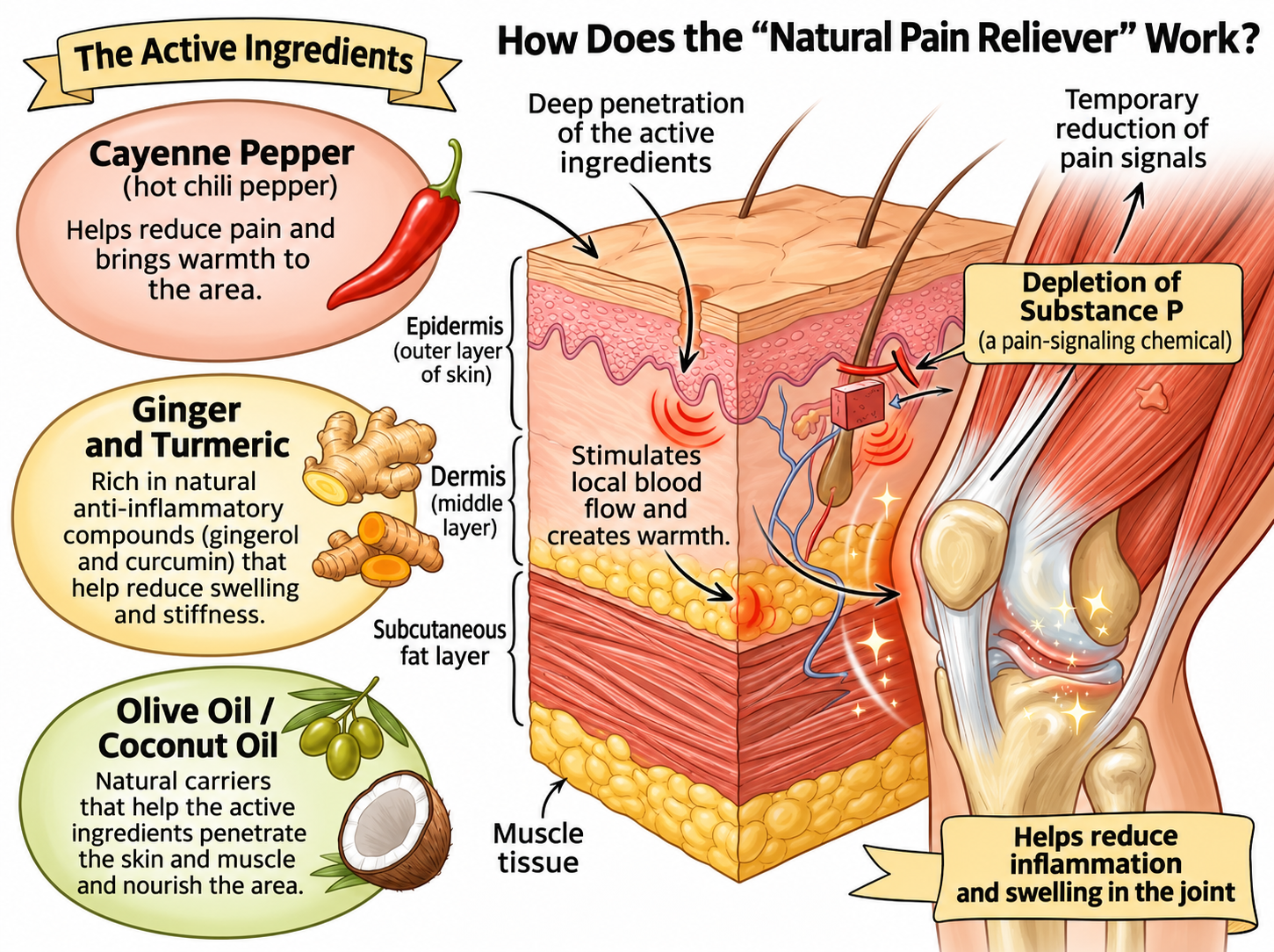
Cayenne pepper (capsaicin): Capsaicin is the compound responsible for the heat in chili peppers. When applied to the skin in standardized topical formulations, it can help reduce certain types of pain by affecting the activity of pain-signaling nerve fibers, including pathways associated with substance P. It also creates a warming sensation. However, homemade preparations may contain unpredictable concentrations and can cause significant skin irritation.
Ginger and turmeric: These roots contain naturally occurring compounds, including gingerol and curcumin, that have been studied for their potential anti-inflammatory effects. They are traditionally used to ease joint discomfort, swelling, and morning stiffness, although evidence supporting their effectiveness when applied to the skin in homemade mixtures remains limited.
Extra-virgin olive oil or coconut oil: These oils serve as the balm's base, helping distribute the ingredients across the skin while providing moisture. They should not be assumed to carry the active compounds deep into muscle tissue.
How to Prepare the Traditional Herbal Balm
Ingredients
½ cup high-quality, cold-pressed olive oil or coconut oil
2 tablespoons cayenne pepper powder
1 tablespoon turmeric powder
1 tablespoon ground ginger
15–20 grams beeswax (optional, for a firmer balm rather than a liquid oil)
10 drops peppermint or eucalyptus essential oil (optional, for a cooling sensation)
Preparation
Combine the olive oil, cayenne pepper, turmeric, and ginger in a heatproof bowl placed over a saucepan of gently simmering water. Heat over very low heat for approximately 20–30 minutes, stirring occasionally. Avoid allowing the oil to boil or burn.
Strain the infused oil through cheesecloth or a fine-mesh strainer into a clean bowl. Return the strained oil to the double boiler, add the beeswax if using, and stir until completely melted.
Remove the mixture from the heat and allow it to cool slightly. Add the peppermint or eucalyptus essential oil, if desired, and mix thoroughly. Pour the mixture into a clean, dark glass jar and allow it to cool until it reaches a firmer consistency.
Important: This is a traditional recipe, not a clinically tested formulation. The specified quantity of cayenne pepper may produce an irritating concentration of capsaicin, and essential oils can cause additional skin reactions. Preparing the balm does not establish that it is safe to apply. A commercially formulated topical product with a standardized concentration is a more predictable option.
Precautions Before Using a Homemade Herbal Balm
The original traditional method suggests gently massaging a small quantity onto sore areas, such as the knees, lower back, shoulders, or neck, up to two or three times daily. However, because the concentration of active ingredients in homemade preparations is unknown, that frequency should not be treated as a medically established safe dosage.
If considering any homemade topical preparation, keep the following precautions in mind:
Be cautious about skin reactions. A small patch test may help identify immediate irritation, but waiting only 20 minutes cannot rule out delayed allergic reactions. The high cayenne content makes this particular recipe unsuitable for assuming safety based on a brief patch test.
Avoid contact with sensitive areas. Capsaicin can cause intense burning if transferred to the eyes, nose, or face. Wash hands thoroughly with soap after handling the ingredients, or use disposable gloves.
Never apply to damaged skin. Avoid cuts, scratches, burns, inflamed skin, and other irritated areas. Do not combine capsaicin preparations with heating pads or tightly covered dressings, as this can increase the risk of burns.
Watch for staining. Turmeric may leave yellow stains on clothing, towels, and light-colored fabrics.
Stop if irritation occurs. Significant burning, blistering, swelling, or persistent discomfort requires discontinuing use and, when appropriate, medical attention.
When to Seek Medical Advice
Traditional remedies may provide temporary comfort, but they cannot replace appropriate medical evaluation or treatment. Persistent joint or muscle pain may have an underlying cause that requires attention.
Medical disclaimer: Home remedies and natural preparations are intended, at most, for temporary symptom relief and should not replace professional medical advice. Consult a healthcare professional if you experience severe pain, significant swelling, unusual warmth around a joint, or symptoms associated with a diagnosed rheumatic condition.
Although ingredients such as capsaicin have legitimate applications in topical pain management, a homemade mixture should not be considered equivalent to a tested medicinal cream. For those seeking relief from muscle or joint discomfort, professionally formulated products offer more consistent concentrations and clearer safety guidance.
 Naturopathy and Natural MedicineNatural Remedies That Work: Home Treatments Backed by Generations of Wisdom
 Naturopathy and Natural Medicine4 Natural Ways to Help Relieve a Migraine at Home
 Naturopathy and Natural MedicineAncient Indian Secret: Neem Leaves & Their Acne-Fighting Power
 Health and NutritionWhy Ginger is Your Go-To Winter Remedy

