Interesting
From Wallpaper to Packaging: The Accidental Invention of Bubble Wrap
Discover how a failed wallpaper invention in 1957 became a worldwide packaging essential after IBM found an unexpected use for it
- Tehila Cohen
- | Updated
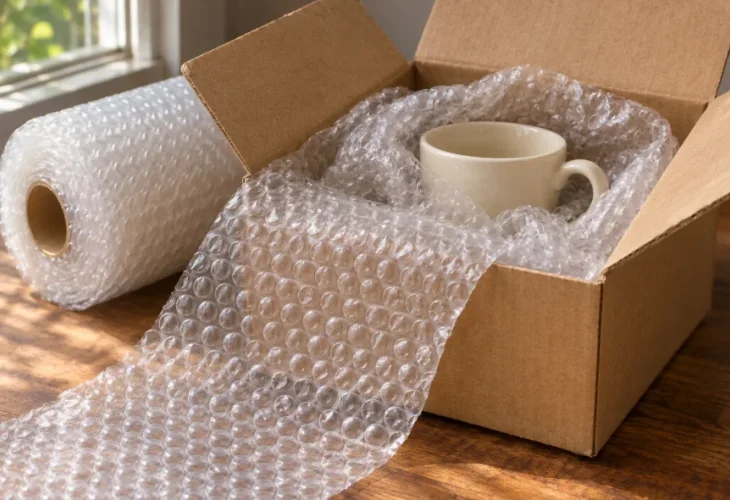
There's something strangely satisfying about opening a package and discovering a sheet of bubble wrap inside. Pressing each tiny air-filled pocket produces that familiar, irresistible popping sound. Now imagine covering an entire living room wall with it. Surprisingly, that was exactly what its inventors had in mind back in 1957.
Alfred Fielding and Marc Chavannes originally set out to create textured wallpaper. According to the story shared by the company they later founded, the two inventors sealed together a pair of plastic shower curtains, trapping small pockets of air between them. The resulting bubbles gave the material the distinctive raised texture they were looking for. Unfortunately, their invention failed to impress interior designers, and the idea of bubble-covered walls never caught on. Rather than abandoning the material, Fielding and Chavannes began searching for other ways to put it to use.
From Textured Wallpaper to Greenhouse Insulation
One of their early ideas was to use the material as insulation for greenhouses. The air trapped between the plastic layers helped slow heat transfer, while the lightweight sheets were relatively easy to handle. Although the material showed promise, its most successful application would come from an entirely different industry.
The breakthrough occurred when Frederick Bowers, a marketing representative at Sealed Air, the company founded by Fielding and Chavannes, recognized that the bubbles could serve another important purpose, of protecting fragile products during shipping.
How IBM Helped Turn Bubble Wrap Into a Packaging Essential
In 1959, IBM introduced the IBM 1401, a business computer that was relatively affordable compared with similar systems of its time. The machine contained delicate components that required careful handling during transportation to customers. Bowers proposed using the bubble-filled material to cushion the computers during shipping, and IBM adopted the idea, helping transform an unsuccessful wallpaper concept into a practical packaging solution.
The tiny air pockets originally intended to give walls an unusual texture turned out to be ideal for protecting breakable objects. When a package experiences an impact, the bubbles compress and help absorb some of the force, reducing the risk of damage to the contents. If your package arrives without suffering any serious bumps along the way, you get an unexpected bonus: a sheet of perfectly intact bubbles, ready to pop.
What began as an unusual decorating experiment became one of the world's most recognizable packaging materials, proving that sometimes an invention's greatest success lies in a purpose its creators never originally imagined.