

Raising Children
How to Respond When Your Grown Child Confronts You About the Past
Discover how to respond to criticism from grown children without becoming defensive, validate their feelings, and rebuild trust through empathy and open communication
- Yitzchak Eitan
- | Updated
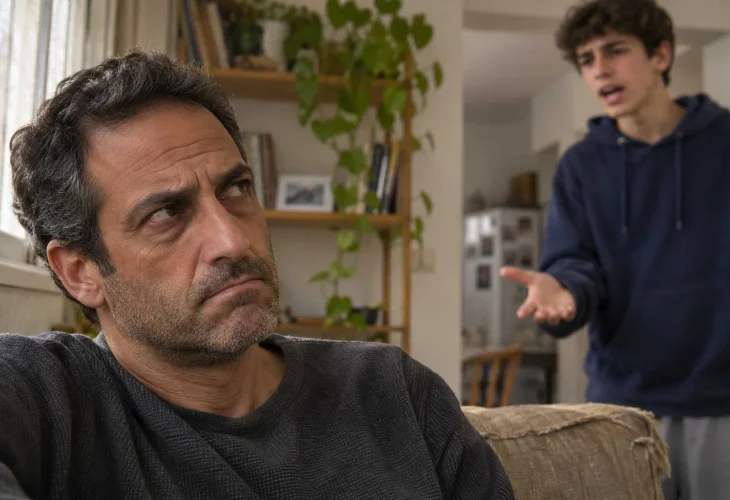
Few things are more painful for parents than hearing their grown children criticize the way they were raised. Whether the complaints involve decisions made years ago, hurtful remarks, or a lingering sense of emotional neglect, such conversations can feel like a punch in the stomach. The natural response is often to become defensive, justify past decisions, or remind children of everything their parents sacrificed for them. However, psychologists warn that these reactions can deepen emotional distance and make it harder to rebuild a close relationship.
According to a recent analysis published in Parade, parents and their adult children often experience and remember the same relationship very differently. Clinical psychologist and relationship expert Dr. Yasmine Saad explains that what parents believe they provided may differ significantly from what their children actually experienced emotionally. Rather than arguing over memories or emphasizing good intentions, she recommends shifting the conversation from self-defense to emotional validation.
What to Say When Your Adult Child Criticizes You
When an adult child expresses painful feelings about their upbringing, Dr. Saad suggests responding with a simple but powerful statement: "Okay, that hurts to hear. I'm glad you told me, and I can see how what I did affected you." If the emotional atmosphere allows, parents can also add: "I love you, and I never meant to hurt you."
These words serve several important purposes. They acknowledge the child's pain without making the conversation revolve around the parent's distress, communicate that difficult feelings are welcome, and recognize that good intentions do not necessarily prevent emotional harm.
Most importantly, the response distinguishes between what a parent intended and how the child experienced it. A parent may have acted out of love or concern, yet the child may still have been hurt by those actions.
Why Listening Matters More Than Explaining
According to the experts, what happens after this acknowledgment is just as important as the words themselves. Rather than immediately offering explanations, parents should allow their children to speak and listen without interrupting. Statements such as "I did the best I could," "You're too sensitive," or "That's not how I remember it" may feel like reasonable defenses, but they can leave adult children feeling dismissed or misunderstood.
Avoiding these reactions can help reduce tension and create room for a more honest conversation. Once emotions have settled, parents and children may be better able to discuss their different perspectives and begin addressing unresolved difficulties.
The goal is not necessarily to agree on every memory or determine who was right. Instead, it is to create a relationship in which both sides can speak openly without feeling compelled to defend themselves.
Sometimes, the most meaningful response a parent can offer is not an explanation, but a willingness to listen. By acknowledging their adult child's experience, even when it differs from their own, parents can take an important step toward rebuilding trust and developing a closer, more understanding relationship.
 Raising ChildrenParenting Adult Children: When Complaints Trigger Guilt
 Raising ChildrenThe Missing Step: Why Relationships With Adult Children Feel Unstable
 Raising ChildrenCan You Really Build a Bridge with Your Daughter-in-Law?
 Raising ChildrenFamily Gatherings: How to Protect Your Children's Values

