

Health and Nutrition
What Does Dermatologist-Tested Really Mean? The Truth About Skincare Labels
Are dermatologist-tested, hypoallergenic, and natural skincare products really safer? Learn what these labels mean, how to spot misleading claims, and what to check before buying.
- Tehila Cohen
- | Updated
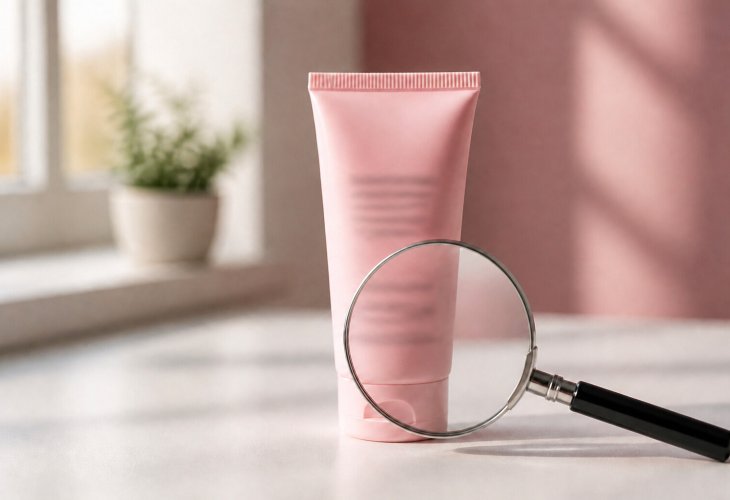
When you see the words "dermatologist-tested" on a skincare product, you likely assume it's a safe, reliable choice. After all, doesn't that mean a dermatologist has examined and approved it?
Not necessarily. While the label may sound reassuring, it doesn't guarantee that a product is suitable for every skin type or completely free of potential risks. Allergic reactions vary from person to person, making it important to understand what common skincare claims actually mean before purchasing or using a new product.
What Does “Dermatologist-Tested” Actually Mean?
According to European guidance on cosmetic product claims, "dermatologist-tested" means that a product has been tested on human participants under the supervision of a dermatologist. Depending on the purpose of the study, the testing may assess how well the skin tolerates the product or examine a particular effect. A simple consumer satisfaction questionnaire is not sufficient to support this claim.
While such testing provides useful information, the label alone reveals little about how the study was conducted. It doesn't tell you how many people participated, whether they had sensitive skin, how long they used the product, or what researchers considered a successful result. Importantly, a study showing that a cream is well tolerated does not necessarily demonstrate that it reduces wrinkles, fades dark spots, or delivers other advertised benefits.
When manufacturers publish testing information on their packaging or websites, look for details about the study's objectives, methods, results, and conclusions. These are among the elements addressed in European guidance on substantiating cosmetic claims.
Can Hypoallergenic Products Still Cause Allergies?
The term "hypoallergenic" is commonly used to describe products formulated to reduce the likelihood of allergic reactions. However, it does not guarantee that a product will be safe for everyone.
The meaning of the term and the requirements governing its use vary between markets. In the United States, for example, the Food and Drug Administration (FDA) states that there is no binding federal definition or standard for the term "hypoallergenic."
For consumers, particularly those with known allergies, checking the ingredient list remains essential. If the information is incomplete or unclear, contacting the manufacturer or importer may help clarify whether a product contains ingredients you need to avoid.
Does a Green Leaf Symbol Mean a Product Is Safer?
A green leaf symbol or a claim that a skincare product is "natural" may sound reassuring, but neither automatically means the product is safer or gentler on the skin. An ingredient's natural origin does not determine whether it is suitable for everyone. Plant extracts, for example, may be well tolerated by one person while triggering an allergic reaction in another. Even products marketed as natural should be evaluated according to their ingredients and directions for use.
It's also important to understand the difference between "fragrance-free" and "unscented." The American Academy of Dermatology warns that products labeled "unscented" may still contain fragrance-related ingredients designed to mask other odors. For people with fragrance sensitivities, this distinction can be particularly important.
How to Test a New Skincare Product Before Using It
Even a product that has undergone dermatological testing can cause an allergic reaction. Before incorporating a new skincare product into your routine, dermatologists recommend testing it on a small area of skin, such as the inside of your forearm. Apply the product to the same spot twice daily for seven to ten days, following its instructions for use. If the product is designed to be rinsed off, wash it off as directed.
If you notice redness, itching, swelling, or other signs of irritation, rinse the area and discontinue use. Keep in mind that this at-home test is not a substitute for professional allergy testing, especially if you have a known allergy or experience recurring skin reactions.
Labels such as "dermatologist-tested," "hypoallergenic," and "natural" can provide useful information, but they should not be treated as guarantees of safety or effectiveness. The best approach is to look beyond the marketing claims, examine ingredient lists, follow product instructions, and pay attention to how your skin responds.
A little extra care before trying a new product can help you make safer, more informed skincare choices.
 Health and NutritionHow Often Should You Wash Your Bed Sheets? Experts Explain What's Really Necessary
 Health and NutritionWhat Is Gua Sha? The Ancient Beauty Secret for Sculpted, Radiant Skin
 Health and NutritionWinter Hand Care: 4 Natural Ways to Ease Dry Skin
 Health and NutritionToo Tired to Remove Your Makeup? Your Skin May Pay the Price

