Raising Children
Why Toddlers Have Tantrums and How Parents Can Respond Effectively
Discover why toddler tantrums are a normal part of emotional development, how parental reactions can influence behavior, and expert-backed strategies for staying calm while setting healthy boundaries
- Shira Priant
- | Updated
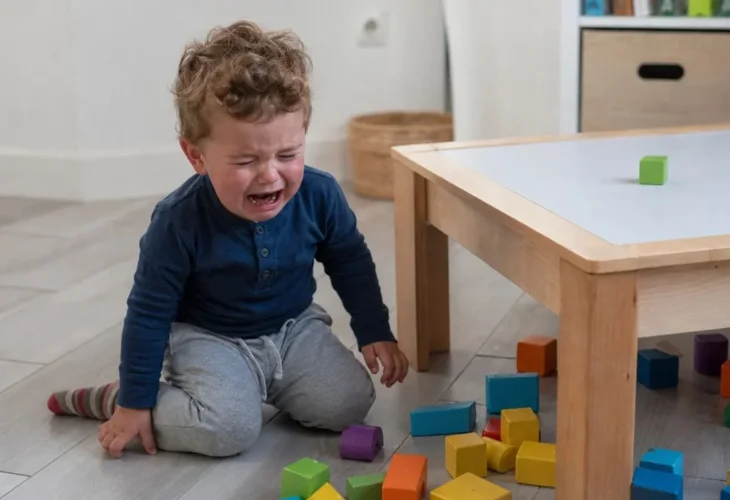
Temper tantrums are a common part of toddlerhood, but that doesn't make them any easier for parents to handle. These emotional outbursts can be frustrating, exhausting, and difficult to manage, especially when seemingly minor setbacks trigger intense reactions.
Dr. Amy Webb explains that tantrums often occur when a toddler's growing desire for independence collides with an emotional regulation system that is still developing. A child may be determined to complete a task independently, only to discover that it is more difficult than expected. As frustration builds, the situation can quickly escalate into crying, throwing objects, or rejecting attempts at comfort.
Webb emphasizes that in these moments, parents should first pause and consider their own reactions. Rather than interpreting the outburst as deliberate misbehavior, it helps to recognize that the child is struggling with frustration and needs an adult who can remain calm.
Why Tantrums Are a Normal Part of Development
According to Webb, a toddler's tantrum does not necessarily indicate poor parenting or a developmental problem. Instead, it often reflects a natural stage of emotional growth. Toddlers are eager to assert their independence, but their ability to manage disappointment and frustration has not yet caught up with their desire for autonomy.
When a task proves too difficult or an adult sets a boundary, these intense feelings can overwhelm a young child's developing capacity for self-regulation. What appears to be defiance may simply be a toddler struggling to cope with emotions that feel too powerful to manage.
How Parents' Reactions Can Influence Tantrums
Research from the Oregon Social Learning Center found that two-year-olds whose parents tended to overreact or become angry quickly showed greater-than-average increases in tantrums and other negative behaviors.
The findings highlight the importance of responding calmly and consistently. Webb explains that when parents manage their own emotions while maintaining clear boundaries, they model the self-regulation skills their children are still learning.
When a toddler throws a tantrum, a parent's instinct may be to react immediately, particularly when the behavior is disruptive or unacceptable. However, responding with anger or frustration can intensify the situation rather than resolve it. A calmer approach does not mean ignoring inappropriate behavior or abandoning boundaries. Parents can remain firm about what is and isn't acceptable while reducing the emotional intensity of their response.
For example, a parent can prevent a child from throwing an object without shouting or becoming visibly upset. By responding calmly and consistently, the parent demonstrates that frustration can be managed without losing control. Over time, these interactions can help children develop the ability to recognize and regulate their own emotions.
What If Your Toddler Refuses to Calm Down?
Sometimes, even the gentlest attempts to comfort a toddler are unsuccessful. A child in the middle of an intense tantrum may reject soothing words, guided breathing, or physical reassurance. According to Webb, this doesn't necessarily mean the parent's approach has failed. When emotions are running high, toddlers may simply be unable to respond to instructions or calming techniques.
In these situations, remaining nearby, maintaining a calm presence, and allowing the emotional storm to pass can be more helpful than repeatedly trying to reason with the child. The goal is not necessarily to stop every tantrum immediately, but to avoid escalating the conflict while providing the stability and reassurance the child needs.
Tantrums are often an unavoidable part of learning to navigate independence, disappointment, and frustration. While parents cannot prevent every emotional outburst, their responses can make a meaningful difference. By remaining calm, setting consistent boundaries, and modeling emotional self-control, parents can help toddlers gradually develop the skills they need to manage difficult feelings.