Home Styling
5 Simple Decluttering Tips to Organize Your Home
Discover five practical decluttering strategies from a professional home organizer to help you let go of unnecessary belongings, maximize space, and create a tidier, more peaceful home
- Shira Priant
- | Updated
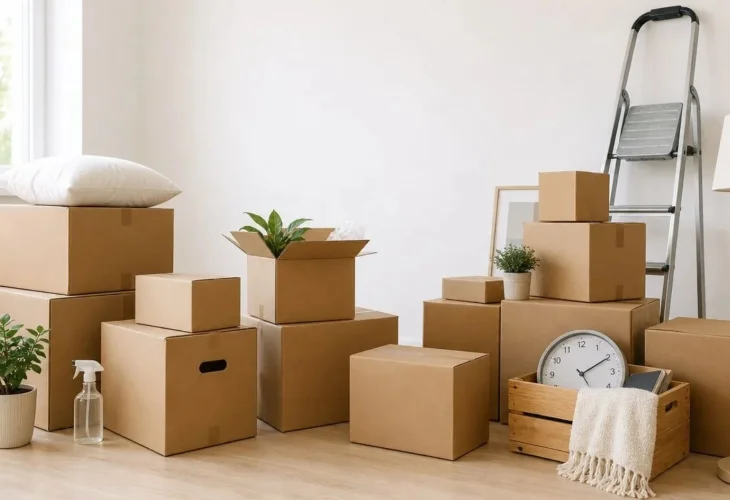
Almost every home contains items we no longer use but struggle to part with. Instead of deciding what to do with them, we move them to a top shelf, storage room, or spare drawer, promising ourselves we'll deal with them later. Over time, these forgotten possessions accumulate, leaving our homes increasingly crowded and difficult to organize.
Taryn Maria, a professional home organizer who specializes in decluttering overcrowded spaces, recommends a practical five-step method designed to simplify decisions, save time, and restore order without turning the process into an overwhelming project.
1. Decide What Stays and What Goes
The first step is to move through your home one room at a time, making clear decisions about what to keep. Divide your belongings into two categories: essential items you use regularly and genuinely need, and everything else. The second category includes things you rarely use, haven't touched in years, or may never have used at all.
For possessions you're reluctant to part with, Maria suggests creating a "maybe box." Place the items you're unsure about inside, seal the box, and set it aside for six weeks to six months. If you haven't needed anything from it during that period, consider donating or giving away its contents. This simple exercise often reveals how little we actually depend on the belongings we've been hesitant to discard.
2. Empty Your Cabinets and Return Only What You Need
Rather than searching through overcrowded shelves for items to remove, try emptying a cabinet, drawer, or shelf completely and returning only the things you genuinely want to keep. Starting with a clean slate makes it easier to evaluate each possession individually instead of automatically putting everything back where it was.
This method is particularly effective in kitchens, wardrobes, and under-sink cabinets, where forgotten items tend to accumulate in hard-to-reach corners. The key is to resist returning something simply because it's still available or might be useful someday. The objective is to reduce the amount you own, not merely rearrange it.
3. Set a Timer to Keep the Process Manageable
Decluttering doesn't need to consume an entire day. Setting a specific time limit for each task can make the process less intimidating and help you maintain focus. Try working in ten- or thirty-minute sessions, concentrating on one area at a time and taking planned breaks between tasks.
This strategy draws on Parkinson's Law, the idea that work tends to expand to fill the time available for its completion. When you give yourself a clear deadline, you're more likely to make decisions efficiently rather than becoming distracted or spending too long deliberating over individual items. Even short, focused sessions can produce noticeable results when repeated consistently.
4. Ask Three Questions Before Keeping an Item
Some possessions are surprisingly difficult to part with, even when they serve little practical purpose. To make these decisions easier, Maria recommends asking yourself three questions that encourage a more objective perspective.
First, consider the "fire test": If the item were destroyed beyond repair, would you purchase it again? If the answer is no, it may no longer deserve a place in your home. Next, ask whether you've used or looked for it during the past year or two. An item that has remained untouched for a long period may be less essential than you imagine.
Finally, picture a stranger walking into your home without knowing the sentimental history behind your belongings. Which items would that person recognize as genuinely useful or necessary? Although emotional attachments can be meaningful, viewing your possessions from an outsider's perspective may help you distinguish between things you value and things you're simply accustomed to keeping.
5. Eliminate Storage Spaces That Encourage Clutter
Sometimes, reducing clutter requires more than getting rid of unnecessary possessions. It may also mean removing the storage solutions that allow them to accumulate. An overcrowded bookcase, an old plastic drawer unit, or a basket filled with forgotten belongings can easily become a permanent collection point for items that no longer serve a purpose.
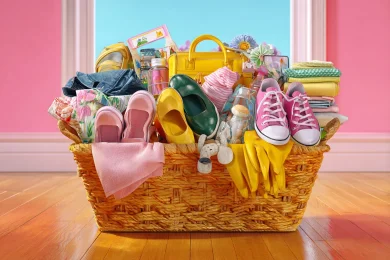
Consider a basket tucked into the corner of a room, gradually filling with mismatched socks, outgrown children's clothing, and other odds and ends. As long as the basket remains there, it's tempting to keep adding to it rather than deciding what to do with its contents. Removing the basket creates an opportunity to sort through those items and determine what genuinely belongs in the home.
The same principle applies to unnecessary shelves, drawers, and storage units. By reducing the number of places available for accumulating clutter, you encourage more thoughtful decisions about what to keep.
Ultimately, decluttering isn't about creating a perfectly minimalist home or discarding everything that isn't essential. It's about becoming more intentional with the possessions you choose to keep and making your living space easier to maintain. With a few practical strategies and a willingness to let go of what no longer serves you, it's possible to create a calmer, more organized home without feeling overwhelmed by the process.