 עברית
עברית

A Small Yet Crucial Gland - Hypoparathyroidism
This rare condition has significant symptoms and potential complications. Everything you need to know about hypoparathyroidism.
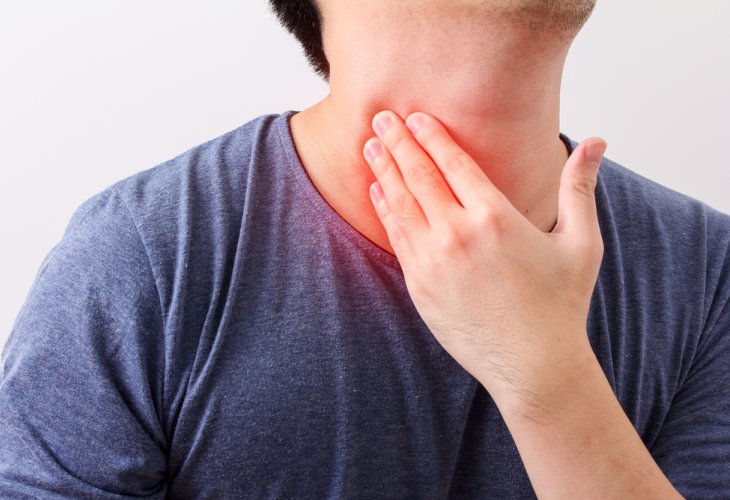 (Photo: shutterstock)
I've often heard the following story from my patients who deal with hypoparathyroidism. As they attempt to explain their condition and the need to manage it with numerous tablets throughout the day and sometimes at night, they encounter the following reaction: But I have many friends with a thyroid issue, they take a small pill in the morning and everything is fine. The confusion is understandable; neighboring glands: thyroid and parathyroid, with similar names, lead to the misconception that their functions and the diseases related to them are similar. In honor of Hypoparathyroidism Awareness Week, here are some facts about the gland and its hormone deficiency disease.
So what is the disease?
The parathyroid gland is located in the neck, very close to the thyroid gland, which is why it has its name. Thyroid and parathyroid differ greatly in structure and function, but due to their proximity and similar names, they are often confused. The human body typically has four parathyroid glands, usually located behind the thyroid, meaning they cannot be seen or felt in the neck.
The main role of the parathyroid gland is to manage the calcium balance in the body through the parathyroid hormone it secretes. The hormone helps maintain calcium levels in the blood by mobilizing it from the bones and preventing its loss through urine. Additionally, it is crucial for the proper functioning of vitamin D, which plays a key role in maintaining normal calcium levels. In a healthy state, when calcium levels drop in the blood, the gland cells detect the deficiency and respond by secreting the PTH hormone, which recruits calcium from various sources and restores its level in the blood. In this disease, the gland lacks the ability to respond to the drop in calcium by releasing the hormone. Therefore, it is clear that the primary manifestation of parathyroid hormone deficiency is low blood calcium.
Who is at risk?
The causes of hypoparathyroidism can be divided into two categories: congenital diseases and acquired phenomena. In the first category, low calcium occurs from childhood, while in the second, it happens following an event (usually medical). The most common cause of this disease is damage to the parathyroid glands due to neck surgeries (primarily surgeries on the nearby thyroid gland). However, there are not few cases where hypoparathyroidism occurs for unknown reasons.
How is the disease diagnosed?
Suspicion of hypoparathyroidism may arise in individuals who have undergone neck surgeries and similar procedures. Diagnosis, alongside typical complaints that may indicate, will be made through medical physical examination and laboratory tests.
What do patients suffer from?
People with low calcium (hypocalcemia) may experience tingling around the mouth and limbs and muscle cramps. In severe cases, seizures may develop (similar to epilepsy). However, if hypocalcemia develops slowly and is moderate, there may be no complaints at all. Additionally, prolonged hypoparathyroidism can cause calcium deposition in the eye lens, leading to cataracts and occasionally calcium deposits in certain areas of the brain.
How can the disease be treated?
Most illness in this disease is related to hypocalcemia (low calcium levels in the blood), thus the main treatment involves calcium supplements. Some patients require a significant number of calcium tablets daily. Additionally, most patients will need treatment with vitamin D in its active form. In some cases, an attempt may be made with thiazide, calcium-preserving and magnesium-preserving diuretics.
Another newer treatment option is the administration of PTH hormone therapy, which compensates for the deficiency. This treatment is intended for individuals suffering from the disease who are not balanced with calcium and vitamin D supplements. The hormone is given via daily injection, allowing significant reduction, and in some cases, even cessation of the various supplements. This treatment became available in the country about two years ago but has not yet been included in the health basket.
In summary, PTH hormone deficiency due to hypoparathyroidism is a rare condition with a wide range of clinical and laboratory manifestations. Correct and timely diagnosis and tailored treatment can improve patients' quality of life and prevent complications.
Dr. Liana Tripto-Shkolnik - Service for Bone and Mineral Diseases, Endocrinology, Diabetes, and Metabolism Institute, Sheba Medical Center, Tel Hashomer.

