
The Final Two Shabbatot of the Year: Why They Matter So Much
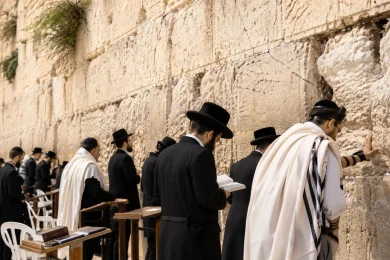
Strengthening our Shabbat observance as the year draws to a close can bring spiritual merit, blessing, and preparation for the Day of Judgment
434 results for "Rosh Hashanah"
Strengthening our Shabbat observance as the year draws to a close can bring spiritual merit, blessing, and preparation for the Day of Judgment
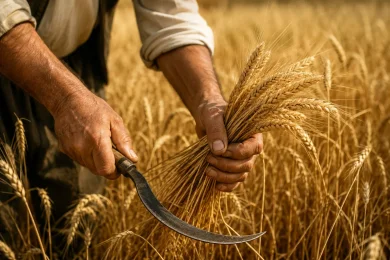
The mitzvot of the field reveal a powerful truth about Hashem, Jewish continuity, and the eternal message of Parashat Ki Tavo.
From Moshe Rabbeinu and the Thirteen Attributes to the great poets of Sepharad and Ashkenaz, discover the fascinating history behind the Selichot prayers.
Explore the deeper meaning of Elul through Kabbalah, from the letter yud and the month’s spiritual symbols to its connection with repentance, action, and closeness to Hashem.
Selichot should be more than words recited in a rush. Learn why concentration, reflection, and proper pronunciation are important when saying these special prayers.
As Elul begins, learn when Sephardic and Ashkenazic Jews start reciting Selichot and an important halacha to remember when waking early to pray.
Elul is not an invitation to arrive already perfect. It is a month of closeness, teshuvah, and the powerful reminder that Hashem is waiting for us to simply come back.
Learn the special additions made to Jewish prayer during the Ten Days of Repentance and what to do if you accidentally use the regular wording.
Discover the meaning of “Ben Adam, Mah Lecha Nirdam,” the beloved Selichot prayer that calls every Jew to awaken, reflect, and return to Hashem through teshuvah.
Selichot can be recited without a minyan, but certain sections must be omitted. Here are the key halachic guidelines to know.