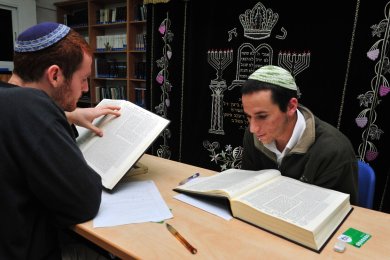
Slichot Prayers: Ashkenazi and Sephardic Customs
What are Slichot? How the prayers of repentance are said differently in Ashkenazi, Sephardic and Mizrahi communities, and what each tradition expresses.
384 results for "Teshuva"
What are Slichot? How the prayers of repentance are said differently in Ashkenazi, Sephardic and Mizrahi communities, and what each tradition expresses.
Is the Torah speaking about teshuvah or all the mitzvot? Discover five fascinating interpretations of a famous passage in Parashat Nitzavim.
What is truly within our control, and what belongs to Hashem? Parashat Nitzavim offers a powerful lesson about teshuvah, free will, and personal responsibility.
“It is not beyond you.” Discover the powerful message in Parashat Nitzavim about change, teshuvah, and what we are truly capable of.
What does “You are standing today” teach us before Rosh Hashanah? Parashat Nitzavim offers a timeless message of teshuvah, hope, and Hashem’s presence.
He was already running late when he made one small decision out of respect for Shaarei Teshuvah. Seconds later, he understood just how significant it had been.
A painful encounter in an Israeli shopping mall becomes a powerful lesson from Parashat Ki Teitzei about judgment, teshuvah, seeing beyond labels, and choosing unity even when we disagree
Explore the deeper meaning of Elul through Kabbalah, from the letter yud and the month’s spiritual symbols to its connection with repentance, action, and closeness to Hashem.
The Shabbat between Rosh Hashanah and Yom Kippur offers a unique opportunity for Torah study, teshuvah, and spiritual repair.
Discover the spiritual meaning behind being written and sealed in the Book of Life. Learn how the Ten Days of Repentance reveal Hashem's perfect balance of justice, mercy, and covenant.