עברית
עברית

Health and Nutrition
Is Storing Bread in the Fridge a Smart Summer Move?
With summer heat rising, many of us chill our bread to prevent spoilage. But is this the best option?
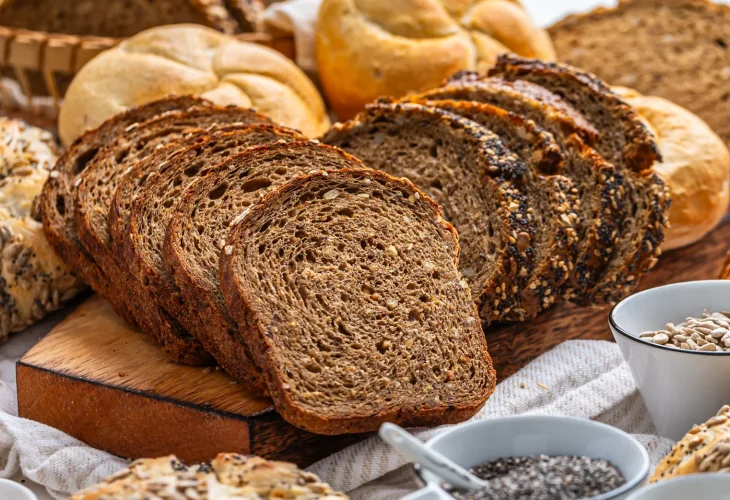
As summer unfolds in full force, leaving certain foods out can lead to rapid spoilage in the sweltering heat. Moldy bread has become a common problem, prompting many people to store their loaves in the refrigerator. But what is the best approach?
Bread has a short shelf life, lasting up to a week at most and often much less. In many cases, it begins to harden within 24–48 hours. When left at room temperature, bread can mold quickly and should not be consumed once mold appears. As a result, many seek storage methods that help keep bread fresh for longer.
Nicknamed the “Bread King,” Paul Hollywood took to social media to share his advice on proper bread storage. In a video, he explained that “if you put your bread in the fridge, it will lose freshness three times faster because cooling draws all the moisture out of the loaf. I put it in a brown paper bag and leave it on the counter.”
This suggestion surprised many viewers, as refrigerating bread during the summer is a widespread habit. Some commenters expressed concern that this method could increase mold growth. “I’d rather have stale bread than moldy bread,” one user wrote.
Experts suggest a middle-ground solution. They recommend refrigerating bread in a perforated bag. Allowing airflow prevents moisture buildup, which helps reduce mold formation. To do this, add small holes to the bag before placing it in the fridge. Using scissors, make a few cuts near the top, back, and bottom of the bag. Be careful not to create too many openings, as this could reduce the bag’s effectiveness.