עברית
עברית

Magazine
From Addiction to Redemption: Tal Geha’s Powerful Journey from Drugs, Prison, and Debt to Recovery and Faith
After years of alcohol and cocaine addiction, life threatening debts, and prison, Tal Geha rebuilt his life through rehabilitation, emotional healing, and a renewed connection to faith
- Michal Arieli
- |Updated
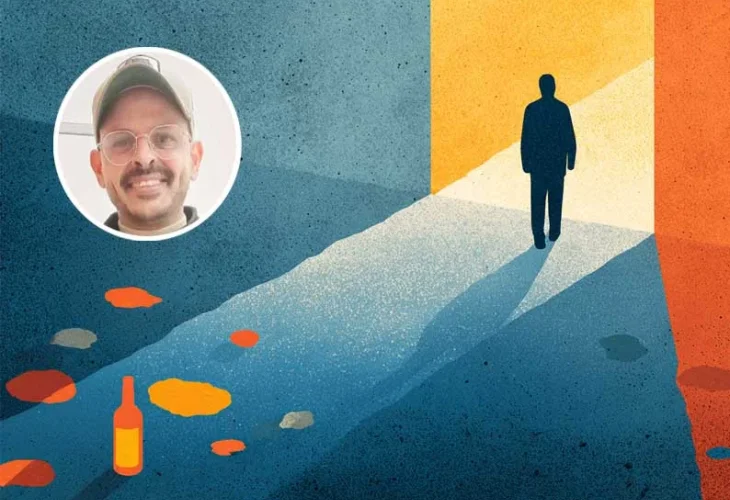 In the circle: Tal Geha
“At age fifteen I became addicted to alcohol, at sixteen I started using the drug Hagigat, which was legal at the time, and at twenty I became addicted to cocaine, which is illegal in Israel.” Tal Geha states these facts as if he is reading a dry paragraph from a résumé, as though the harsh details he mentions were not the very things that led him to the greatest struggle of his life, placed him in real danger due to threats from criminals in the grey market, and eventually brought him to prison.
“I try not to focus on what I went through, but on where I am today,” he explains. “It’s not that I ignore my past, on the contrary, it’s part of me. But I became a completely different person. I experienced the most extreme transformation possible, and the proof is that for more than four years, thank God, I have been completely clean.”
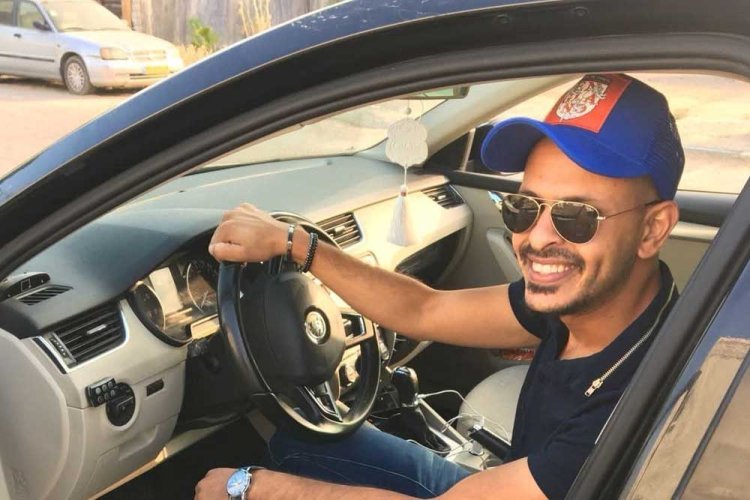 Tal Geha
Addiction, Debt, and Prison
Drinking alcohol at age fifteen is rare even among heavy drinkers, but for Tal it developed almost naturally. “I studied in a secular school, and my friends weren’t religious,” he says. “Because I came from a Shabbat observant home, I didn’t join their Saturday night outings. But when we met on Sundays they would talk about their experiences. One day a good friend told me how much fun they had drinking wine. He described how one friend fell and another threw up, and strangely I felt jealous. Eventually I said, ‘I have a bottle of wine at home, maybe come over and teach me how to drink.’ Within an hour we had finished the whole bottle. I fell and vomited, but I remember the second glass and the pleasant feeling it gave me. That feeling made me drink again the next day, and from then on I drank every day.”
A year later he was introduced to the drug Hagigat, and at twenty he became addicted to cocaine. At the time he worked as a waiter and later as assistant head waiter, which enabled him to finance his growing addictions. “My whole life revolved around those substances,” he admits.
When asked about the deeper reason behind his addiction, Tal says, “Today I understand it was connected to a heavy emotional burden I carried from childhood. Whenever someone asked how I was, I would answer ‘everything is fine,’ because I felt I wasn’t allowed to show weakness. I never talked about my struggles. The difficulties piled up inside me like stones weighing on my soul. I wasn’t addicted to the taste of alcohol, but to the quiet it gave me. For the first time I didn’t feel the pressure inside. Eventually I was willing to do anything just not to feel.”
His parents knew partially about his drinking but had no idea about the drugs or the extent of his addiction.
 Illustration
At age twenty nine everything collapsed. “I lost control of my life,” he recalls. “I could barely stand, couldn’t control myself, and certainly couldn’t work. My boss noticed and fired me. From that moment I began taking loans to finance the drugs. Within days I was in debt of seventy thousand shekels, and within months it reached four hundred and twenty thousand. Because the money came from grey market criminals, they constantly threatened me.”
One day they came to his home. He locked himself in his room while his father opened the door, shocked by what he saw. That evening Tal confessed to his father that he was addicted, spending about twelve hundred shekels every day just on drugs. His father refinanced the mortgage to cover the debts and sent him to a private rehabilitation facility in the north. But after a year and eight months he relapsed as if he had never stopped.
Around that time he was also in an unhealthy relationship that led to an extreme incident. A week later the police arrived, arrested him, and he was sentenced to fourteen months in prison. During that time his younger brother got married, and Tal was not allowed to attend because he was considered a high risk prisoner.
Tal hoped prison would help him quit since he had no access to drugs. Yet on the day of his release, while driving through familiar streets, he found himself unable to resist. He stopped at a dealer’s apartment and used again.
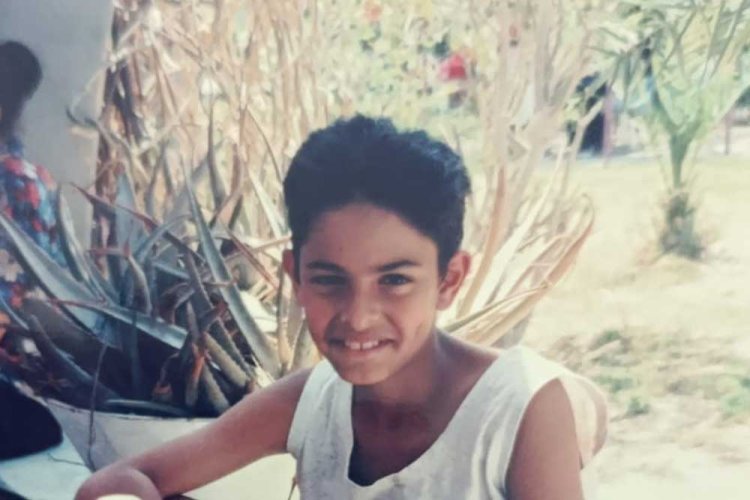 Tal Geha as a child
Hitting Rock Bottom
Within a year he was again in debt, this time three hundred thousand shekels. When a lender threatened his life, Tal stole his father’s credit card and paid five thousand shekels. Three days later his father discovered the theft and expelled him from the house.
Homeless, Tal found an abandoned shack without a bathroom, food, or water. After several days there, Rosh Hashanah arrived. His father called and asked him to come for the holiday so relatives would not know about the situation. But when Tal arrived, criminals were waiting in the parking lot. They beat him severely, pressed a gun to his head, and demanded thirty thousand shekels by midnight.
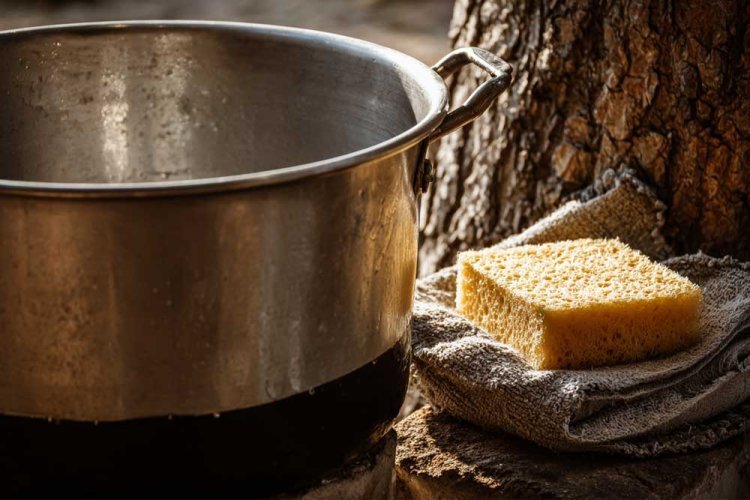 "Take a sponge and water without soap, sit under a tree and clean the bottom" (Illustration)
His father hid him in the house until the holiday ended and then drove him to a detox facility in Beit Shemesh, telling him, “Until you truly take care of yourself, don’t contact me.”
After two weeks there, Tal was transferred to the Retorno rehabilitation center. At first he cooperated only because he had nowhere else to go. He planned to stay a short time until his father paid his debts again, but months passed without contact, and the staff set strict boundaries.
One day a counselor punished him for breaking the rules by telling him to scrub the blackened bottom of a pot using only water and a sponge. “While you clean the pot,” the counselor said, “remember all the rock bottoms you’ve reached in life.”
Tal sat under a tree, scrubbing and crying. Memories flooded back: being teased as a child for wearing a kippah, mocked for his parents’ divorce, beaten by drug dealers, and the disappointment in his father’s eyes. Then he remembered his eight year old son, with whom he had lost contact. Overwhelmed, he threw the pot aside and for the first time asked for help.
Standing before the therapy group, he shouted, “Yonatan, my son, Dad is sorry,” and collapsed. The counselors and patients embraced him without judgment. “That was when I understood the secret of the treatment,” he says. “Clear boundaries create a safe space where pain can finally come out.”
He entered the rehabilitation process fully, completed treatment, and moved to the next stage of recovery. Today, he says proudly, “I am completely free from drugs and alcohol for four years, four months, and twenty six days.”
“I count the days, then the months, and then the years,” he explains. “Every morning my only plan is to stay clean today. Tomorrow doesn’t concern me. The work is daily.”
Learning to Speak About Emotions
Two and a half years ago Tal received an unexpected phone call from Retorno inviting him to return as a counselor. “I took the role,” he says. “Now I try to help others the way people helped me, setting boundaries but also giving them a sense of security. When they are finally able to talk about themselves, I’m the one who hugs them and says, ‘I love you.’”
His relationship with his family has been restored. His father paid off his debts, and he now maintains a strong bond with his twelve year old son Yonatan. “I don’t care about his grades,” Tal says. “What matters is that he never hides his emotions.”
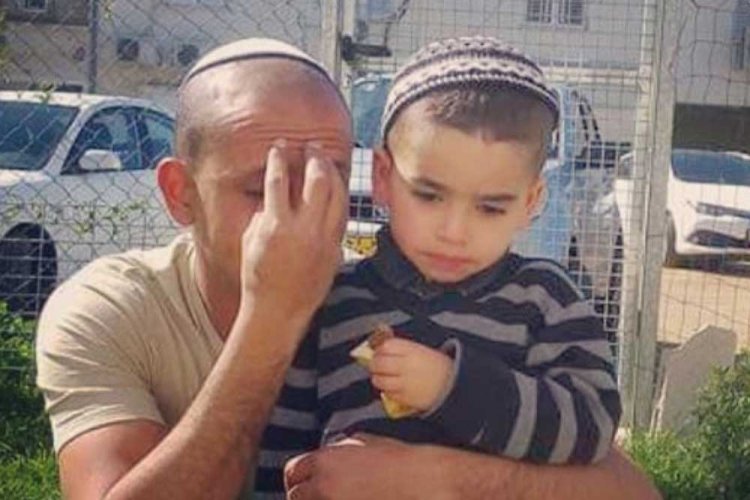 Tal and his son Yonatan
Today he lectures across the country, especially to teenagers, warning them about addiction. “Every person needs three things,” he says. “Someone who believes in them, someone they can ask for help, and the ability to talk about their feelings. Don’t be afraid to share, because otherwise you may pay a very heavy price.”
A New Relationship with Faith
Tal also describes a transformation in his spiritual life. “I grew up with messages that if you don’t keep Shabbat the world will collapse, or if you don’t put on tefillin you’ll be punished,” he says. “I served God out of fear, and eventually that pushed me away from faith.”
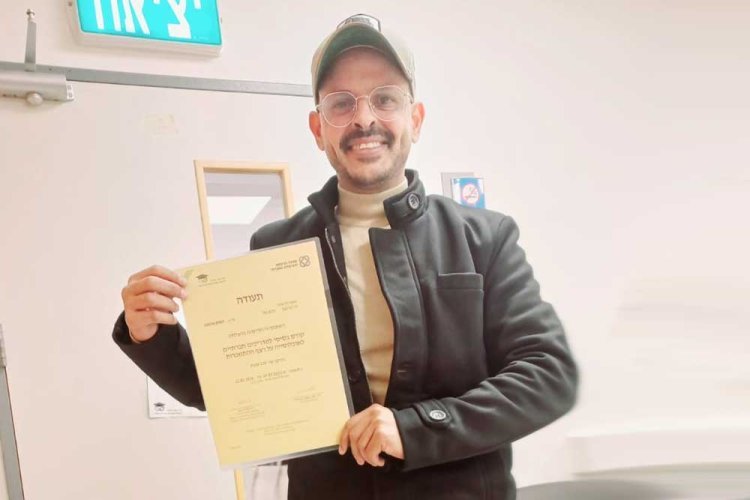
During recovery he discovered a different connection. “I found a God who accepts me, contains me, and forgives me. A God who wants me clean first, because only then can I truly work on myself and serve Him. Slowly I returned to observing Shabbat and being part of a community. Today I love the Creator from the deepest place within me, because I know He wants what’s best for me.”