

Home Styling
6 Home Styling Mistakes That Make Your Space Feel “Off”
From harsh lighting to cluttered decor, discover six common home styling mistakes and the simple fixes that can instantly improve your space.
- Orit Gruskot
- | Updated

Your home should feel like you: warm, welcoming, personal, and comfortable. But even with great taste, a few small decorating mistakes can make a room feel awkward or unfinished without you quite knowing why. The good news is that most home styling mistakes are easy to fix once you know what to look for.
Here are six common interior design mistakes, along with simple home decor tips to help your space feel balanced, cozy, and beautifully put together.
Choosing Colors That Do Not Work Together
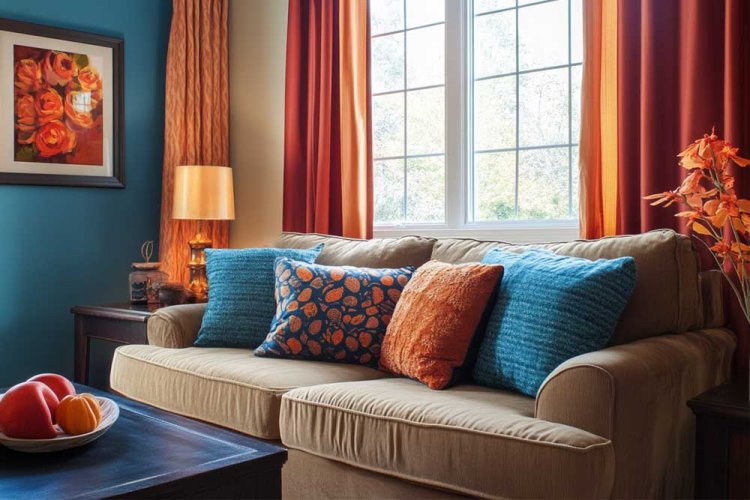
It is easy to fall in love with a certain color, paint a wall, or buy several decor pieces in the same shade, only to realize later that the room feels disconnected. A bold color can quickly overwhelm a space if it does not blend with the rest of the design.
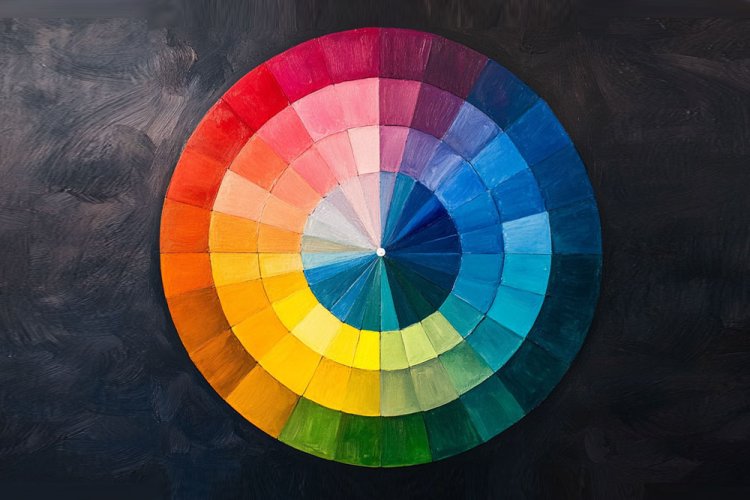
Before shopping or painting, create a complete color palette for the room. Start with a neutral base, then add complementary shades that work naturally together. A color wheel can help you choose tones that create balance and harmony. Repeating similar colors throughout the room also helps the eye move comfortably through the space and creates a calm, cohesive look.
Furniture That Is the Wrong Size
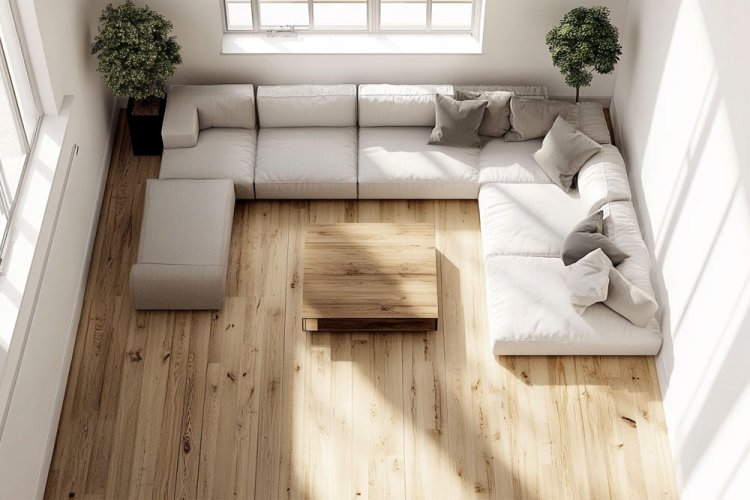
Furniture that is too large can make a small room feel cramped, while furniture that is too small may seem lost in a bigger area. Proportion plays a huge role in making a room feel comfortable and inviting.
Before purchasing furniture, measure your room carefully. Use simple sketches or a free room planning app to picture how everything will fit together. In smaller rooms, choose furniture with visible legs to create a lighter, airier feeling. In larger spaces, use wider and more substantial pieces that help anchor the room and make it feel complete.
Too Much Decor and Clutter
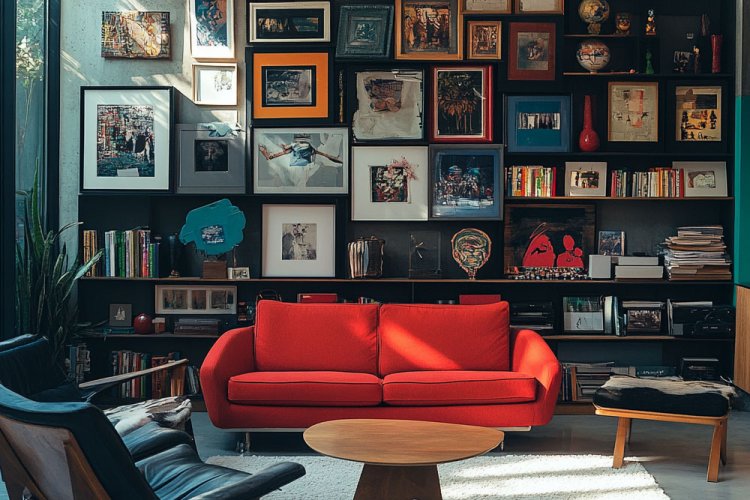
When every shelf, wall, and surface is filled with decor, the room can start to feel busy and overwhelming. Even beautiful items lose their impact when there is too much competing for attention.
If you love a fuller, layered style, try decorating with intention. Keep the items that truly bring you joy and remove anything that feels unnecessary. Create one main focal point in each area instead of several competing ones. Rotating seasonal decor can also keep your home feeling fresh and organized. Richer fabrics and warmer accents work beautifully in winter, while lighter textures can brighten a room in summer.
Lighting That Feels Too Harsh or Too Dim
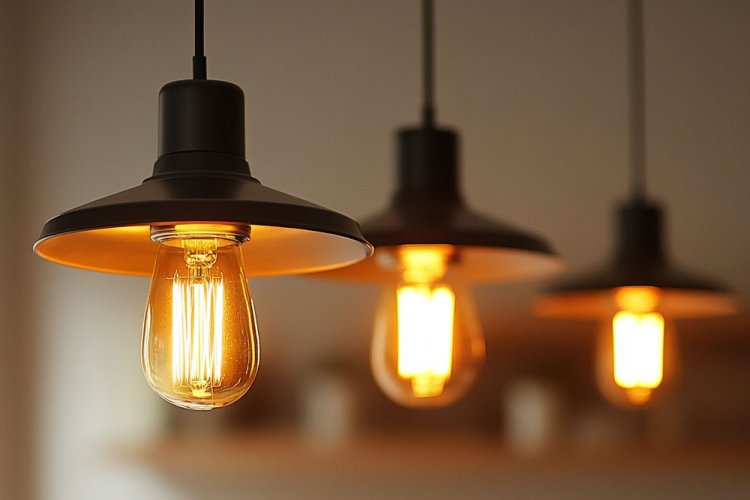
Lighting can completely change the mood of a home. Cool white lighting often feels cold and clinical, while warm lighting creates a softer and more welcoming atmosphere.
The best approach is layered lighting. Use overhead lights for general brightness, then add table lamps, floor lamps, or smaller accent lights for warmth and comfort. Warm toned light bulbs are especially helpful in living rooms and bedrooms where relaxation matters most. Decorative light fixtures can also add character while creating a gentle, flattering glow.
Pushing All the Furniture Against the Walls
Many people assume that pushing furniture against the walls will make a room feel larger. In reality, it often creates too much empty space in the center and can make the room feel less cozy and connected.
Instead, try floating certain furniture pieces away from the walls. A centrally placed sofa can help define different areas within one room, while a thoughtfully placed side table can improve both comfort and flow. Small adjustments in layout often make a room feel warmer, more welcoming, and easier to enjoy.
Accessories That Are Too Small
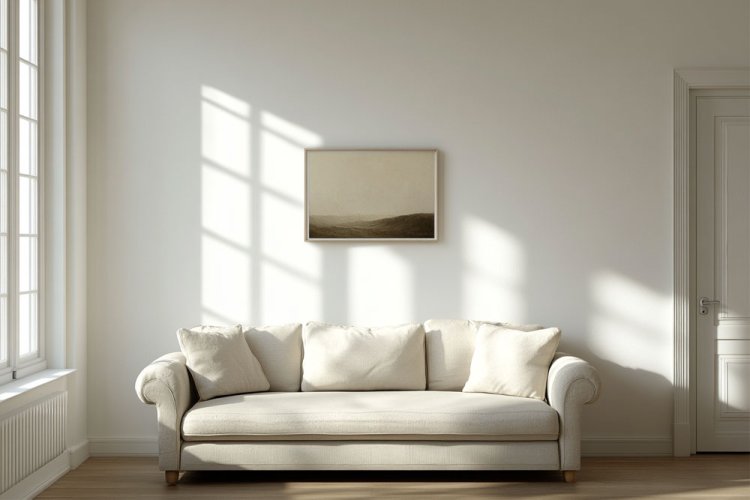
Tiny rugs, artwork, or decor pieces can disappear visually and make a room feel unfinished. A small rug may fail to ground a seating area, and undersized wall art can look awkward on a large wall.
A helpful decorating guideline is the rule of thirds. Choose items that fill at least one third of the area they are meant to occupy. For example, a rug should extend comfortably beneath your seating area, and artwork above furniture should be wide enough to feel balanced with the piece below it. Proper scale helps a room feel polished and harmonious.
Creating a Home That Feels Like You
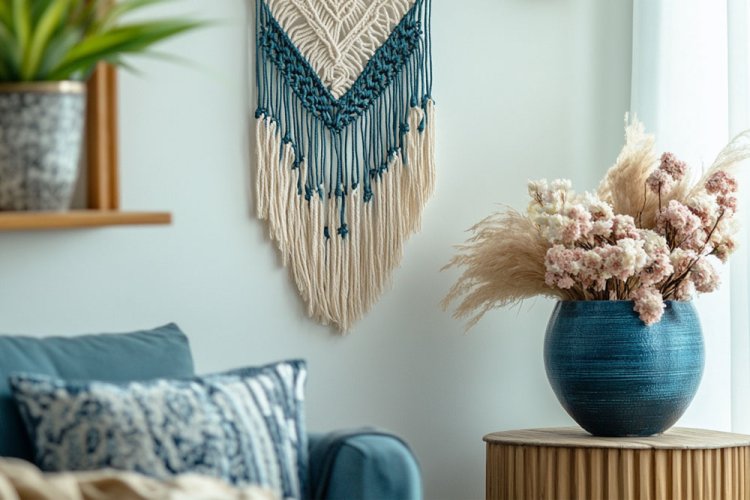
Small styling changes can completely transform the feeling of your home. With thoughtful planning, balanced decor, and attention to detail, you can create a space that feels peaceful, welcoming, and uniquely personal.
Your home is more than just a place to live. It is where memories are made, where family gathers, and where warmth and comfort should always be felt.
Which of these home styling tips would you try first?

