

Interesting
The Poison Tree: Could This Tropical Plant Hold Medical Secrets?
Growing along the shores of the Philippines, the so called poison tree has become the focus of growing scientific interest.
- Shira Dabush (Cohen)
- | Updated
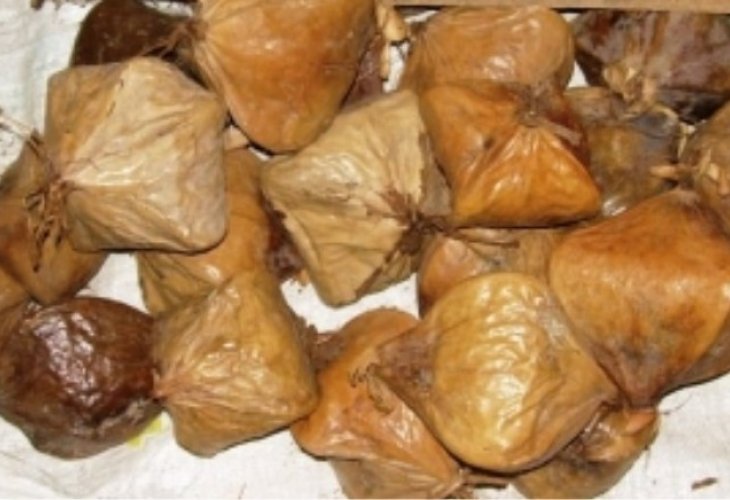
For generations, traditional remedies have been passed down from parents to children, long before modern laboratories and advanced medical technologies existed. While modern medicine has transformed healthcare and saved countless lives, researchers continue to explore whether some traditional plants and natural remedies may contain compounds with valuable medical potential.
One tree growing in the Philippines has recently attracted attention because of the remarkable claims surrounding its fruit and the hopes that it could one day contribute to future medical discoveries.
A Wild Tree With a Fascinating Reputation
Along the shores of Palawan in the Philippines grows a tree known as Barringtonia asiatica, a tropical species that has long been used by local communities.
For generations, residents have believed that various parts of the tree may offer health benefits and have used it in traditional practices. Some even claim that the fruit could help address a wide range of health problems.
While such claims have not been scientifically proven, they have sparked interest among those who hope researchers will study the plant more closely.
Why Is It Called the Poison Tree?
Despite its impressive appearance, Barringtonia asiatica is often known as the "poison tree."
The nickname comes from compounds found in its seeds, including substances called saponins.
When the seeds are crushed, these compounds can be released into the water. Local fishermen have traditionally used this method to help catch fish.
According to local accounts, the strong scent of the crushed seeds attracts fish. Once exposed to the compounds, the fish become stunned, making them easier to catch.
For generations, this practice has been part of traditional fishing methods in some coastal communities.
Traditional Knowledge and Modern Research
Because of the tree's unique properties, many local residents consider it an important natural resource.
Some community members worry that traditional knowledge surrounding the plant could disappear over time if it is not properly documented and studied.
They hope that scientists will continue investigating the compounds found within the tree to determine whether any may have useful applications in medicine.
At present, researchers have not established that the fruit cures cancer or other serious diseases. However, many modern medicines have originated from plants that were first used in traditional healing practices, which is why scientists often examine such claims carefully.
A Tourist's Unusual Purchase
Local merchants recently shared a story about a visitor who became fascinated by the fruit.
According to their account, the tourist purchased an entire sack of the fruit and explained that he hoped to provide it to medical researchers for further study.
The visitor reportedly said that if future research uncovered significant medical value, he would return to purchase much larger quantities.
Whether anything comes of that effort remains to be seen, but the story reflects the growing curiosity surrounding this unusual tropical tree.
The Search for Nature's Hidden Secrets
Throughout history, many important medical discoveries have originated from natural sources. Plants, trees, and other organisms continue to provide researchers with compounds that may one day lead to new treatments and therapies.
While much remains unknown about Barringtonia asiatica, its story highlights the importance of preserving traditional knowledge while also subjecting health claims to rigorous scientific study.
Sometimes the next medical breakthrough may be hiding in places few people would expect—even in a wild tree growing along a distant tropical shoreline.

