

Interesting
5 Popular Houseplants That Can Be Toxic to Children and Pets
Learn which five popular plants may cause poisoning, skin irritation, or serious harm to children, cats, and dogs, and how to enjoy indoor greenery safely
- Shira Dabush
- | Updated
Do you love filling your home with lush green plants that bring a sense of nature, tranquility, and fresh air indoors? While houseplants can brighten any space, some of the most popular varieties hide risks that many people are unaware of. Some can irritate the skin and eyes, others are toxic if ingested, and a few pose a particular danger to young children and pets. Before bringing home your next plant, it's worth knowing which beautiful favorites require extra caution.
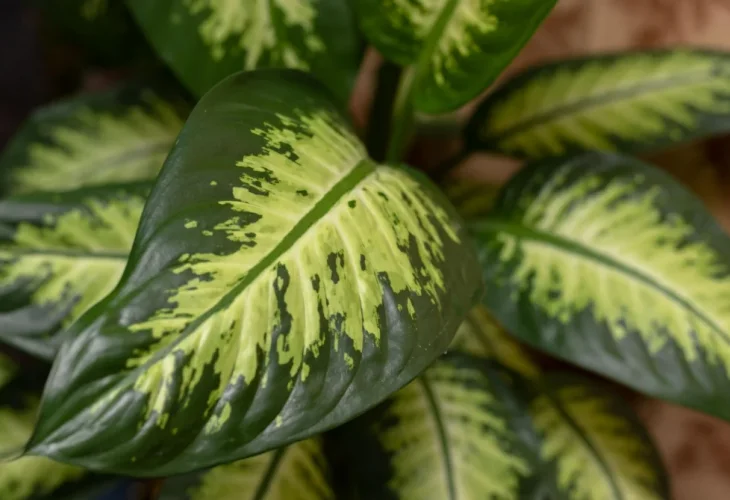
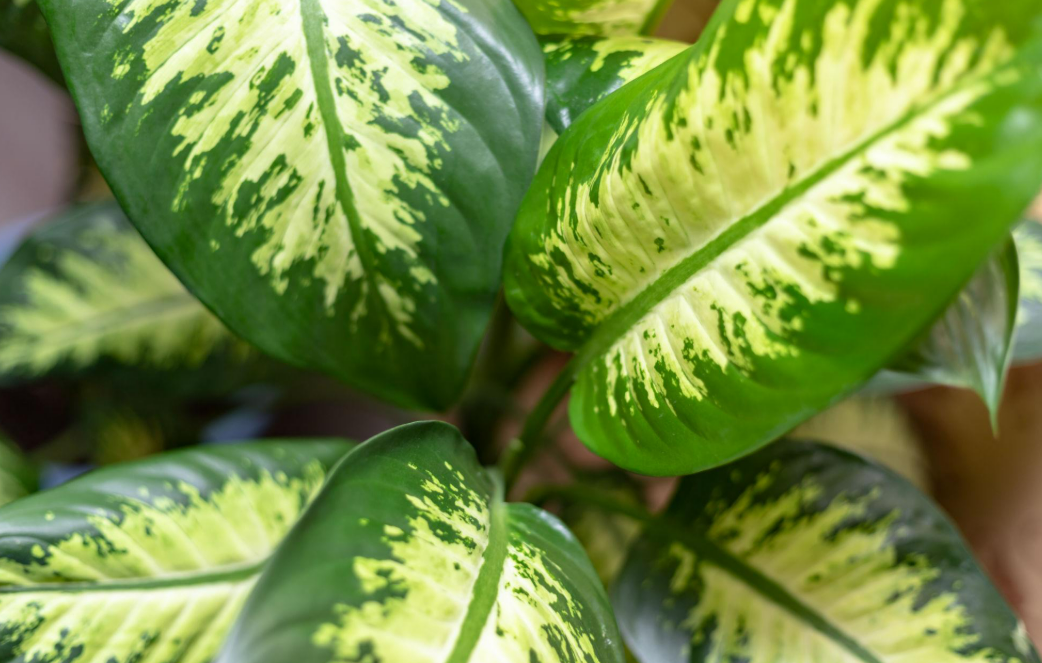
1. Dieffenbachia: The Houseplant That Can Cause Dangerous Swelling
Dieffenbachia is one of the world's most popular indoor plants, prized for its large, beautifully patterned leaves. However, it contains tiny calcium oxalate crystals that can cause severe pain if the leaves are chewed.
Exposure may lead to an intense burning sensation, swelling of the tongue and throat, and difficulty speaking or swallowing. Young children and pets are especially vulnerable, as even a relatively small amount can trigger a significant reaction.
2. Oleander: Stunning but Extremely Toxic
Oleander is admired for its beautiful flowers and is widely used as an ornamental shrub, but it is also one of the most poisonous garden plants.
Every part of the plant — including the leaves, flowers, stems, and even the water in which cut branches have been placed, contains toxins that affect the heart. Ingesting any part of the plant can cause nausea, vomiting, irregular heart rhythms, and, in severe cases, life-threatening poisoning.
For this reason, experts recommend avoiding oleander in gardens where young children play or where pets have access.

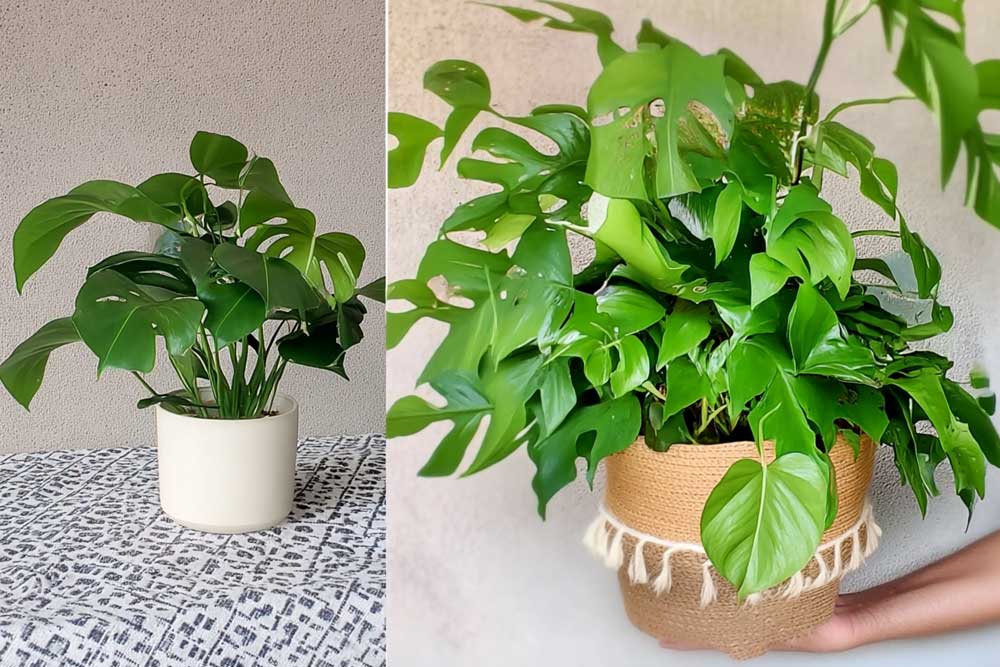
3. Philodendron: Common but Not Harmless
Philodendrons are found in countless homes because they are attractive and exceptionally easy to grow.
Like Dieffenbachia, they contain calcium oxalate crystals that can cause burning in the mouth, swelling, excessive drooling, and pain if the leaves are chewed. Some people may also experience skin irritation after handling the plant.
4. Easter Lily: Beautiful but Deadly for Cats
Lilies are elegant, fragrant flowers that make a striking addition to any home. However, they are extremely dangerous for cats.
Even a tiny amount of pollen, a single leaf, or water from a vase containing lilies can cause severe kidney failure within a short period of time.
If you have cats, veterinarians strongly recommend avoiding Easter lilies and other true lily varieties altogether.

5. ZZ Plant: The Trendy Houseplant That Requires Caution
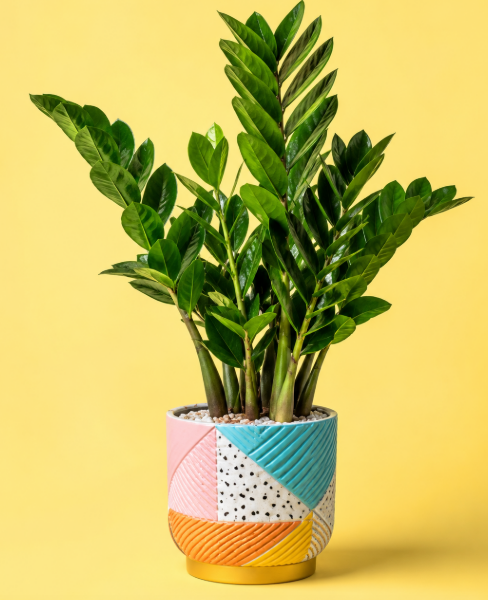
The ZZ plant (Zamioculcas zamiifolia) has become one of today's most popular houseplants thanks to its durability and low-maintenance nature.
Although it is not considered among the most toxic plants, its leaves and sap contain compounds that may cause irritation to the mouth, stomach, or skin if ingested or handled by sensitive individuals or pets.
While most exposures are mild, it is still wise to keep the plant out of reach of young children and animals.
How to Enjoy Houseplants Safely
Most of these plants can be enjoyed safely when handled responsibly. If you have young children or curious pets, place potentially toxic plants out of reach or choose non-toxic alternatives instead. Wearing gloves when pruning or repotting plants and washing your hands afterward can also help prevent skin irritation.
A little awareness goes a long way in ensuring that the greenery decorating your home remains a source of beauty, and not an unexpected hazard.

