

Behind the News
Trump’s Saudi Nuclear Deal Could Leave Israel Paying the Price
American oversight may be safer than Chinese or Russian involvement, but Saudi enrichment could create a lasting threat without delivering normalization
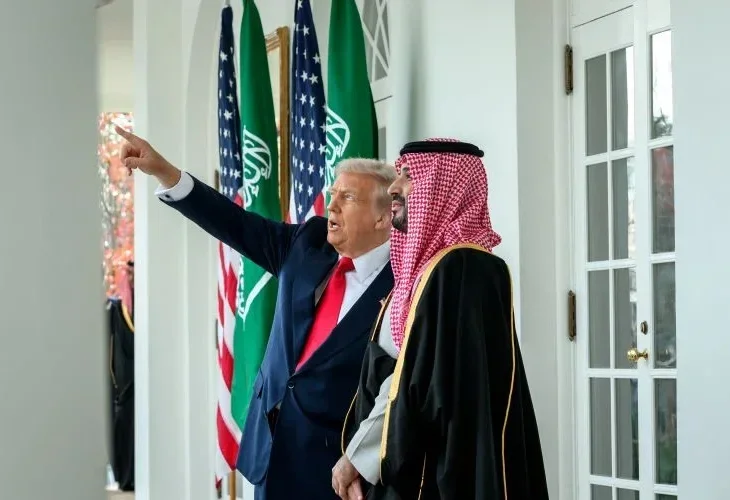 Trump and Bin Salman (Shutterstock)
President Trump has reportedly approved a 30-year civilian nuclear cooperation agreement with Saudi Arabia, opening the way for American companies to play a central role in building its nuclear industry. The agreement could also create a path for Saudi Arabia to enrich uranium on its own territory in the future.
For Washington, this is a major commercial and strategic victory. American companies could receive contracts worth tens of billions of dollars, while keeping China and Russia away from one of the Middle East’s most sensitive infrastructure projects.
For Israel, however, the real concern is not Saudi Arabia’s plan to build civilian nuclear reactors. Riyadh says it needs nuclear energy for electricity, desalination and its Vision 2030 economic program. The problem is that Saudi Arabia also wants the option to enrich uranium at home, even though it could simply import fuel for its reactors. Enrichment would give them control over the most sensitive part of the nuclear process and could make it easier to move toward weapons-grade material if a future Saudi government ever decided to pursue a bomb.
Trump’s reasoning is understandable: Saudi Arabia intends to develop nuclear power regardless, and if Washington refuses to participate, Riyadh could turn to China, Russia or another supplier. Keeping the project under an American framework could give the United States greater access, oversight and long-term leverage through Saudi dependence on US technology, maintenance and replacement parts.
But US involvement does not mean Washington will control the program forever. Saudi Arabia has not agreed to the same strict limits as the UAE, which gave up the right to enrich uranium or extract material from used nuclear fuel. The deal also reportedly does not require the strongest international inspections. That means inspectors may have less access if they suspect Saudi Arabia is hiding nuclear activity, a serious concern for an agreement expected to last 30 years.
Israel may currently see Saudi Arabia as a potential partner against Iran, but leaders, alliances and regional conditions can change quickly. Nuclear facilities and the expertise needed to run them, however, remain long after the politics that created them have changed.
The deal is also troubling because nuclear cooperation was previously discussed as part of a broader agreement in which Saudi Arabia would normalize relations with Israel. By separating the two, Trump may be giving Riyadh one of its biggest demands without requiring it to recognize Israel or offer Israel a comparable diplomatic gain.
Perhaps a normalization announcement will follow in the coming weeks or months. If that happens, the agreement may eventually appear to be one part of a larger regional arrangement. But unless that occurs, Israel will have lost an important source of leverage.
The danger extends beyond Saudi Arabia. If Washington accepts Saudi enrichment, Egypt and Turkey may demand similar rights. Iran will argue that its own enrichment program cannot be treated as uniquely unacceptable. The UAE may face growing pressure to reconsider the restrictions it accepted.
Yisrael Beytenu chairman Avigdor Liberman warned after the agreement was reported: “We all must understand that the civilian nuclear program in Saudi Arabia will end with nuclear weapons and lead to a dangerous arms race throughout the entire Middle East. The State of Israel must make its position clear and unequivocal: We will firmly oppose it. The Israeli government must act decisively with the US Congress to stop the move.”
Trump may believe he is keeping Saudi Arabia close to Washington and away from Beijing or Moscow. But unless the safeguards are much stronger than currently reported, and unless Israel receives a meaningful diplomatic gain, the agreement risks trading short-term American profit and influence for a long-term nuclear danger that Israel will be forced to live with.

