

Israel News
New Study: Palestinian Authority Paid Hundreds of Millions of Shekels to Released Terrorists
The Jerusalem Center for Foreign Affairs and Security has released a new study finding that the Palestinian Authority’s “pay for murder” policy extends beyond payments to imprisoned terrorists, including salaries, jobs, and benefits for those released from prison.
- Shlomi Diaz
- | Updated
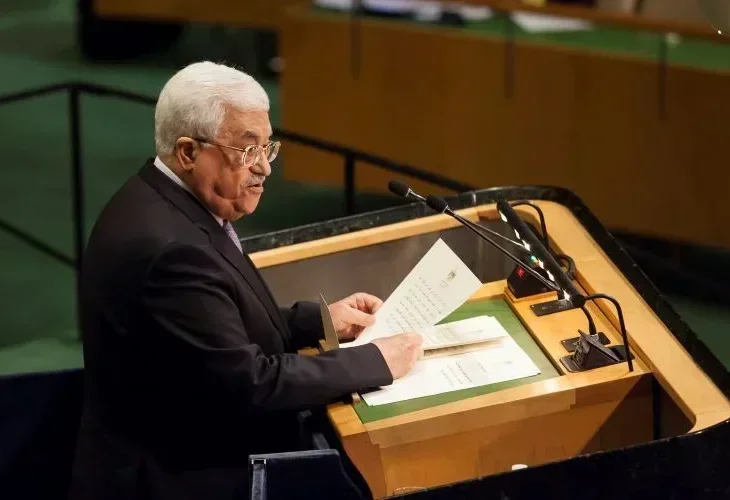 Mahmoud Abbas, archive (Photo: Amir Levy, Flash90)
A new study by the Jerusalem Center for Foreign Affairs and Security, published today (Thursday), finds that the Palestinian Authority and the PLO’s “pay for murder” policy is not limited to payments for imprisoned terrorists. It also includes salaries, employment, and benefits for released terrorists.
According to the study, many terrorists released as part of the Shalit deal received salaries and benefits from the Palestinian Authority after their release, and later returned to terrorist activity. Some even rose to senior leadership positions in Hamas, including Yahya Sinwar, Zaher Jabarin, Rouhi Mushtaha, and Tawfiq Abu Naim, who were involved in planning, financing, or carrying out the October 7 massacre.
The study notes that even after the Palestinian Authority sought to present a reform of its payment system in 2025, it acknowledged that it continued to transfer hundreds of millions of shekels to terrorists. The study concludes that this was a longstanding institutional policy that reduced the economic cost of terrorism, encouraged continued activity, and enabled experienced terrorists to return to command and leadership roles in terrorist organizations.
The documentary evidence on which the study is based includes Palestinian Authority legislation, presidential decrees, regulations for implementing the law, and official government decisions; official statements published by the Palestinian Authority, the PLO, and Palestinian leaders; publications by the Israel Security Agency (Shin Bet) and other official government sources; Palestinian budget documents and publicly available financial data, as well as independent studies dealing with Palestinian Authority spending on security prisoners and released terrorists.
The evidence indicates that the Palestinian Authority created a comprehensive legal framework governing the provision of financial benefits to security prisoners and released terrorists. Over the years, the compensation system expanded beyond monthly salaries to include release grants, guaranteed employment within the Palestinian Authority, and ongoing financial support when employment was not possible.
The legal framework gradually expanded both the scope of economic benefits and the institutional obligations the Authority assumed toward security prisoners and released terrorists. Many terrorists released in the 2011 Shalit deal returned to terrorist activity shortly after their release.
Many of those released later reached key positions in Hamas’ political, military, financial, and security leadership. Several beneficiaries of the Palestinian Authority and PLO compensation system played significant roles in planning, financing, managing, or carrying out the October 7, 2023 massacre.
Even after October 7, the Palestinian Authority and the PLO did not meaningfully abandon their policy of compensating security prisoners and released terrorists, despite changes to the administrative mechanisms through which the payments were made.

