

Magazine
629 Days in the Hospital: A Mother’s Journey From Despair to Faith
When her 13-year-old daughter suddenly became critically ill, Yael Levy began a 629-day journey of hospitalization, rehabilitation, faith, and hope.
- Miri Ben-David Levi
- | Updated
 Inset: Yael Joel Levy (Credit: Sarah Fox)
For Yael Joel Levy, faith was never built in a single dramatic moment. It grew gradually, through a journey of teshuvah, acts of devotion, and eventually a crisis no mother could have imagined. When her 13-year-old daughter, Shir Rachel, suddenly suffered a blood clot in her cervical spinal cord, Yael’s world narrowed to a hospital room, a ventilator, and one decision she had to make again and again: whether to surrender to despair or hold on to faith.
Six years later, Yael, 50, a resident of Yad Rambam and a mother of four, can still vividly remember the moment everything changed.
"From that moment, we began a journey that lasted nearly two years," she says through tears. "629 days of hospitalization, intensive care, and rehabilitation. Days when reality narrowed to one bed, one breath, and one daily choice between despair and faith."
Today, Yael works as a mental coach, helping women heal, grow, and fulfill their potential. But her own journey toward that work began long before she knew where it would lead.
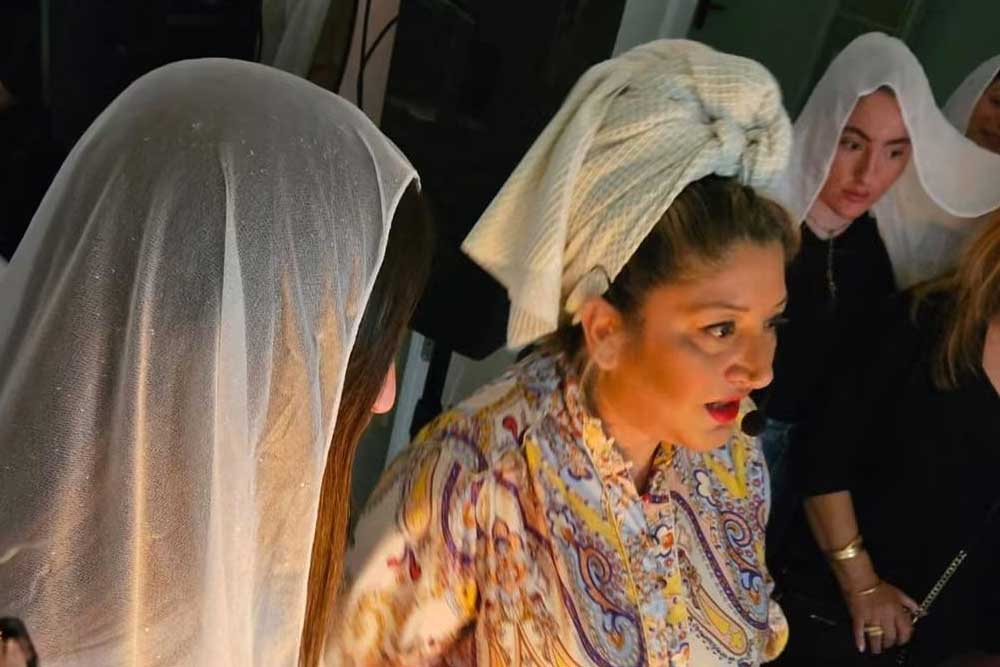 Yael Joel Levy
A Journey of Teshuvah From Love
"It wasn't one single moment of returning in teshuvah; it was a process," Yael explains. "About two years after I married the father of my children, I began feeling something spiritual that I couldn't explain. It wasn't the classic case where something happens and then there's an awakening. I was blessed to do teshuvah out of love."
She remembers going about her ordinary routine while sensing that something inside her was changing.
"I would wake up in the morning, go to work, and feel deep inside that something was off. That feeling kept growing until it became a real change in my way of life."
Gradually, she began observing Shabbat. "When I got into the car and turned it on, it simply didn't sit right with me."
Judaism was not foreign to her. Yael says she grew up with deep Jewish roots, particularly through her grandfather, Rabbi Yechezkel Mutzafi, whom she describes as a righteous man who had a profound influence on her childhood.
Years later, those spiritual roots led her to take on an ambitious project in the community of Nili, where she was then living.
"We arrived in the community and I discovered there was no mikveh," she recalls. "I understood that there had once been a mikveh there, but it had been completely dismantled. I couldn't stand by and do nothing. I said to myself: If there's no mikveh here, something has to be done."
Yael began investigating what would be required to rebuild it. She quickly realized that if she wanted to make a real difference, she needed to understand the subject seriously.
"They told me that first of all I needed to study and become a balanit, and I took that with complete seriousness."
Together with another woman from the community, Yael embarked on an intensive year of study.
"It wasn't a technical experience. It was a profound shift in perspective. We studied for a full year, and I had to move into a completely different place of learning and dedication."
She then began working with the relevant authorities, collecting signatures, writing letters, contacting government offices, and reaching out to people involved in family purity.
After a long and complicated process, the call she had been waiting for finally arrived: she was invited to the mikveh's dedication ceremony.
"It was a real full-circle moment," she says emotionally. But she is quick to minimize her own role. "I was just a small part of it, but apparently a part that helped start the movement. And of course, it was all thanks to Hashem."
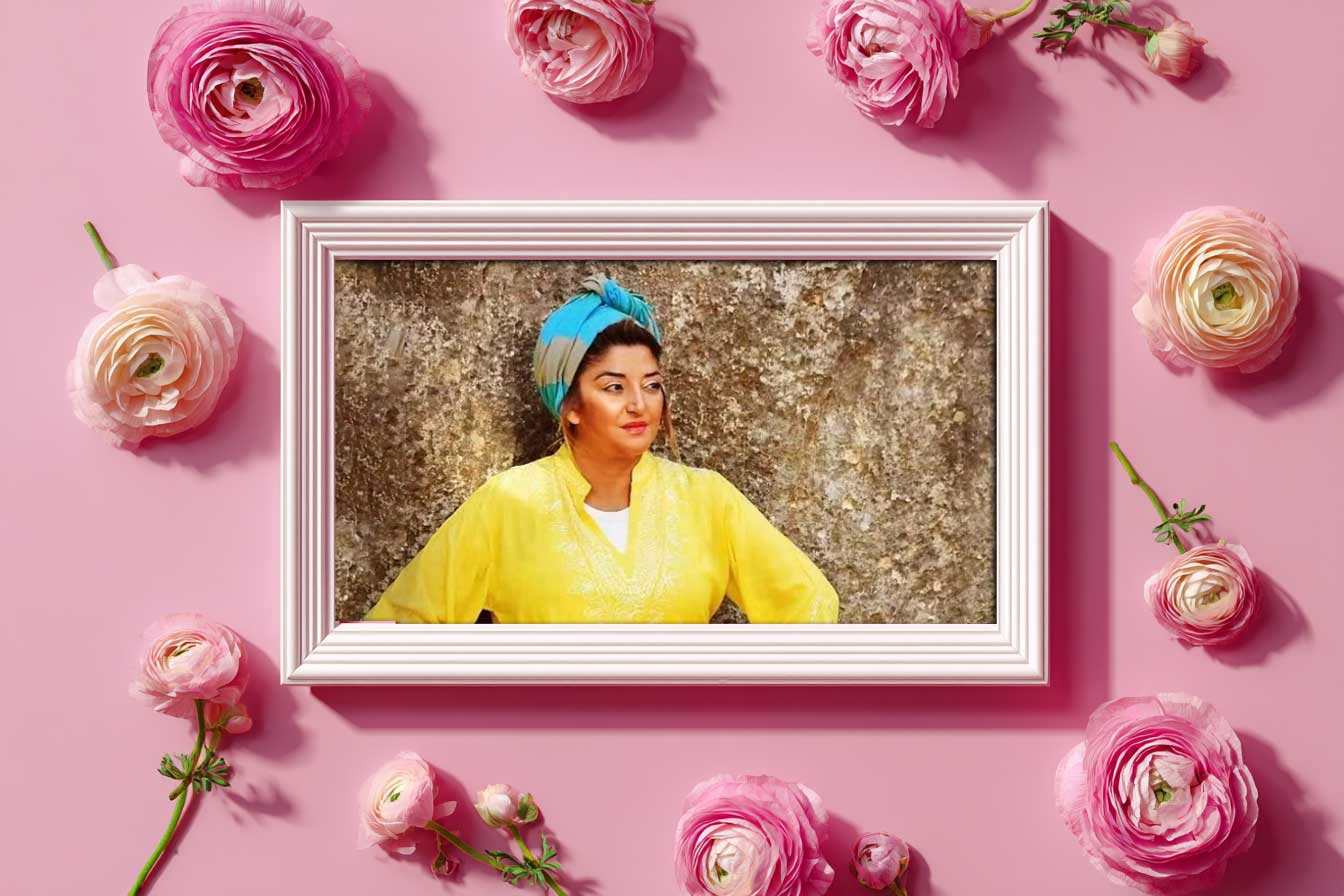 Yael Joel Levy (Photo: Sara Fuchs)
629 Days That Changed Everything
Then came the crisis that would transform Yael and her family.
"My daughter, Shir Rachel, suddenly became ill. It began with pain that seemed ordinary. She said her back hurt, and I told her to rest because that would probably help. But within a short time, everything changed. Half an hour later, she said she couldn't move her hand."
Fortunately, Yael happened to be off work for several days and was home with her daughter. At the entrance to the clinic, a paramedic who was not on duty noticed them and helped speed up the process of getting Shir Rachel medical attention.
They reached the hospital in time.
Doctors discovered that a blood clot had damaged Shir Rachel's cervical spinal cord.
"She was taken for imaging, and when she came back she was already sedated and on a ventilator," Yael recalls. "Everything collapsed in front of my eyes. But I held on to myself, to faith, and to the understanding that it was truly a miracle that I was home when her condition suddenly deteriorated like that."
Shir Rachel spent approximately a month and a half in intensive care before beginning rehabilitation.
"For 629 days, I didn't work. Time simply stood still."
While Yael remained at her daughter's side, her mother and women from the community of Hashmonaim, where the family was living at the time, stepped in to keep the household running.
"They cleaned the house every day, took care of the children, and cooked. There were enormous acts of kindness there that I will never forget."
One of the most terrifying moments came when Shir Rachel was being transported with an oxygen tank and the oxygen ran out.
"I thought I was losing her right there, and I felt myself collapsing. I quickly called for the doctors to fix it. I remember sitting down on the floor and not being able to get up."
But Yael says something changed inside her after that moment.
"From that point on, I only grew stronger, and I began noticing the very smallest things. When the doctors told me there was no movement, I saw a millimeter, and for me, that was a miracle."
Again and again, when the prognosis was frightening, Yael chose to focus on every sign of progress.
"Every time the prognosis was bad, and I truly saw her death right in front of me, I chose to see a miracle. Over time, I learned how to live inside a reality of daily faith. Every day, I learned to notice one more small thing happening."
During the first days after Shir Rachel became ill, the family held a hafrashat challah outside her hospital room. Yael remembers crying out to Hashem with everything she had.
"I asked Hashem: Take everything I've done, all the merit of the mikveh. Just give me back my daughter."
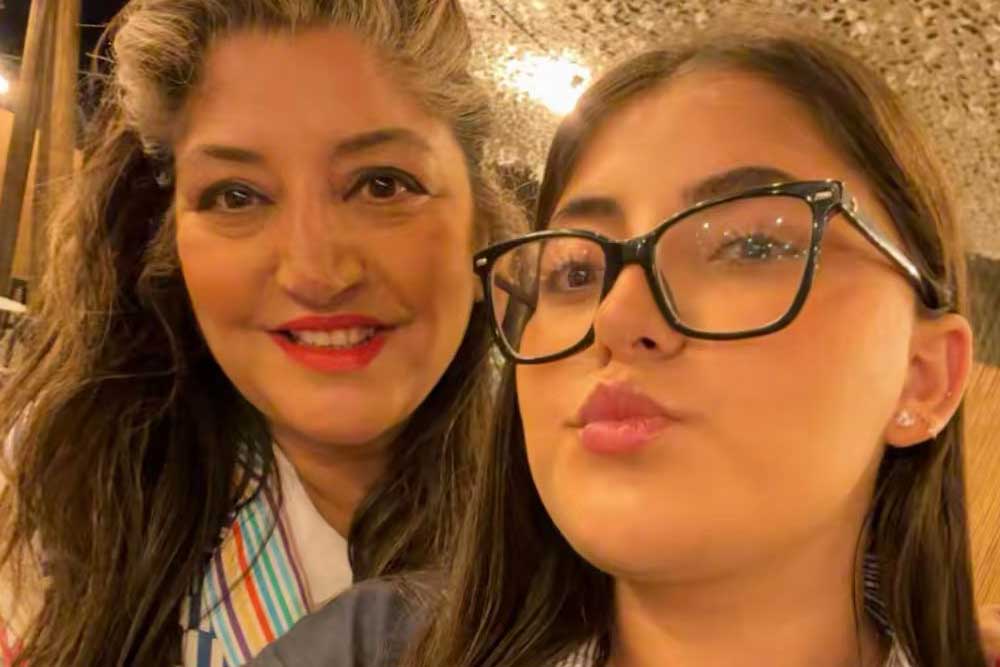 Yael with her daughter Shir Rachel
Finding Healing After the Hospital
After almost two years in which the family's life revolved around hospitalization and rehabilitation, Yael could not imagine returning to a profession centered on helping others.
"I wanted someone to take care of me. How could I possibly be the one caring for others? I couldn't imagine returning to action at all."
Instead, she found refuge in creativity.
"Little by little, I found a quiet place for myself, and I began sewing and creating. That was my rescue for a certain period. I would retreat into my studio, sew and design modest clothing and head coverings, and through that I regained my sanity."
Shir Rachel also found a creative outlet, beginning to make special cookies after seeing how much her mother's creative work helped her.
Only later did Yael understand what that period had given her.
"I realized that it was healing, but it wasn't my life's purpose. At the time, though, it brought me somewhere completely different, to a place of growth and motivation."
Eventually, Yael discovered the world of mental coaching.
"I studied it and realized that this was actually exactly what I had been doing throughout the entire period in the hospital, without knowing that was what it was called."
Her own experience now shapes the way she works with other women.
"I think it's a privilege to help women from a place where you know you have gone through those processes yourself. There are women who are afraid to begin. I know that place from the inside, and I help them move through it."
Today, Shir Rachel continues to live with certain limitations resulting from what happened, but she has made tremendous progress. She studies, completed national service, remains active, and continues moving forward.
For Yael, the journey that began beside her daughter's hospital bed did not end when the 629 days were over. It changed the way she understands faith, healing, and even the smallest signs of hope. What once seemed like a millimeter of movement became a lesson she carries with her today: sometimes growth does not arrive all at once. Sometimes it begins with noticing one small miracle, and then another.

