

World News
Is a Deal to Reopen the Strait of Hormuz Actually Close?
Trump says an agreement could come within days, but Iran and the U.S. still disagree over control, fees and what Iran receives in return
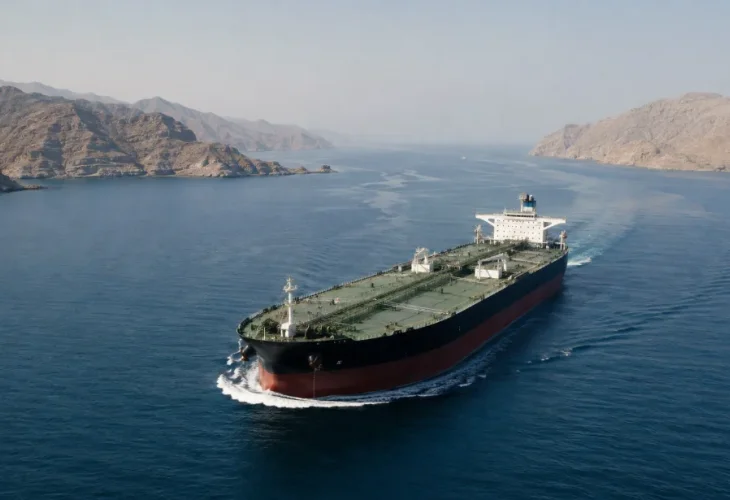
President Donald Trump said yesterday that an agreement to reopen the Strait of Hormuz could be reached within days, as Iran and Oman continued discussing a temporary plan to restore commercial shipping through the waterway. “It could happen. Tomorrow or the next day. A lot of progress has been made,” Trump said.
However, no final agreement had been announced as of today. The basic goal is to allow commercial ships to begin moving safely through Hormuz again, but the United States and Iran remain divided over Iran’s role in the route and what Washington would provide in return.
Reuters reported today, citing a source involved in the talks, that Iran wants authority over ships entering the Persian Gulf. In practice, that would mean vessels sailing into the Gulf would pass through a route managed by Iran, while ships leaving would use a route between Iran and Oman, receive clearance from Oman and notify Iran before departing.
The source said Iran had already backed away from its original demand to manage traffic in both directions and was unlikely to make further concessions. Iran also rejected an earlier Omani proposal that would have split responsibility for incoming and outgoing ships equally between the two countries. AP also reported progress toward a similar arrangement. But Washington may still object to any deal that officially gives Iran control over part of the route, since Hormuz has long been treated as an open international waterway.
The other major dispute is whether passing ships would have to pay.
AP reported yesterday that the proposed arrangement could include payments for security and environmental services. Iran has pushed for the right to collect money from ships using the strait, while the United States has demanded that shipping lanes reopen without tolls.
“I’m not going to let them charge,” Trump said yesterday. “Anybody’s going to charge, we’ll charge.”
The disagreement is not simply over the amount. Allowing Iran to collect mandatory fees could be seen as recognizing Iran’s authority over the Strait. A previous plan proposed voluntary payments instead, but Reuters reported yesterday that Iran had rejected that proposal last week.
Iran is also reportedly seeking guarantees against future attacks, an end to the U.S. naval blockade and relief from American oil sanctions. The Wall Street Journal reported today that Washington wants Iran to make concessions and restore safe passage first, while Iran wants economic and security guarantees tied to the reopening.
The possible agreement would be temporary rather than a final settlement. Axios reported today that the United States, Iran and Oman were nearing a renewable 60-day arrangement intended to reopen the strait, restore a ceasefire and create space for wider negotiations over Iran’s nuclear program. Qatar, Pakistan and Saudi Arabia have also participated in mediation efforts.
U.S. officials have sounded optimistic while acknowledging that the terms are unfinished. “There’s been progress made in those talks, but not finality yet,” Secretary of State Marco Rubio said yesterday. “We’re hoping that will happen very shortly.”
Treasury Secretary Scott Bessent told CNBC yesterday that “there is a chance we may have a deal today or tomorrow to open the strait and move towards a more normalized position in this conflict.”
Trump also said that the United States had held “very good discussions” with Iran during a full day of negotiations. He also warned that Iran would face harsh consequences if it abandoned the talks.
The first sign of a real breakthrough would be a formal announcement from the United States, Iran or Oman. The details would then show whether Iran receives control over the inbound route, whether ships must pay, and whether Washington agrees to lift its blockade or ease sanctions.
Even an announcement would not immediately return Hormuz to normal. Shipping companies and insurers would still need to decide whether the security guarantees are strong enough to send vessels back through the strait safely.

