

World News
UK Opens Inquiry Into Charities Funding Israeli Communities Beyond Green Line
The regulator will initially examine eight unnamed charities following claims that millions of pounds reached projects in Judea and Samaria
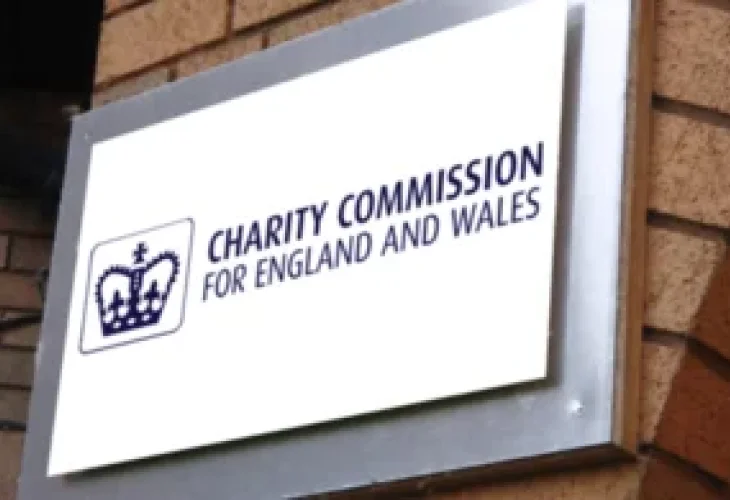 The Charity Commission
Britain’s Charity Commission has opened a formal inquiry into eight unnamed charities suspected of directly or indirectly funding activities in Israeli communities in Judea and Samaria, the regulator announced Wednesday.
The investigation could determine whether British charitable funds, including money supplemented through taxpayer-backed Gift Aid, were spent outside the organizations’ registered purposes. The Commission stressed that opening the inquiry does not constitute a finding of wrongdoing.
Investigators will examine how much money was transferred, what the funds supported and whether the spending advanced the charities’ stated objectives. The regulator will also assess whether charity assets or beneficiaries were placed at risk and whether any regulatory action is required.
The Commission said the initial eight charities were selected based on factors including the locations of their partners and how recently the alleged activity occurred. It plans to expand the inquiry to additional organizations that may have supported projects in communities beyond the Green Line.
“Serious allegations have been made about UK charities operating in illegal Israeli settlements in Palestine, so our first step is to establish the facts,” said Stephen Roake, the Commission’s assistant director for high-risk compliance. “Only then can we determine if regulatory action is required, based on our findings and the evidence we see.”
The regulator said it intends to publish a report detailing the issues examined, its conclusions and any action taken. The charities may be named when the inquiry, or individual stages of it, concludes.
The investigation follows claims raised in Parliament by Labour MP Melanie Ward. Ward said research conducted with Israeli human-rights organizations identified 32 charities in England and Wales that transferred approximately £28 million over five years to organizations or projects connected to Israeli communities in Judea and Samaria.
The British government subsequently asked the regulator to examine the allegations. Then-Foreign Secretary Yvette Cooper said that “no UK charity should be supporting or enabling these breaches of international law.”
Britain considers Israeli communities beyond the Green Line illegal under international law. Israel disputes that position and maintains that the status of the territories should be resolved through negotiations.
The inquiry comes as Britain expands measures aimed at separating economic activity inside sovereign Israel from activity in Judea and Samaria. The government has issued guidance warning British businesses against financial involvement in Israeli communities beyond the Green Line and has sanctioned organizations accused of enabling violence by extremists.
The initial charities have not been identified. Earlier reports and Ward’s complaint referred to funding for Jewish schools, yeshivot, religious institutions and community projects, rather than only traditional humanitarian organizations.
Charities mentioned in earlier reporting have defended their activities, saying that donations supported approved educational and religious purposes and complied with British charity regulations. The Commission has not confirmed that any previously named organization is among the eight currently under investigation.
Ward also estimated that the donations may have generated approximately £5.6 million in Gift Aid, a program allowing eligible charities to claim additional money from the British government. That estimate has not been confirmed by HM Revenue and Customs.
The Commission has shared information about the inquiry with HMRC and the police. However, no criminal investigation has been announced.
Labour MP Abtisam Mohamed welcomed the inquiry but called on the regulator to examine all 32 charities identified in Ward’s complaint.
The Commission said the scope could be widened if further regulatory concerns emerge. Until its findings are published, the eight charities will remain unnamed and no wrongdoing has been established.

