

World News
Report: Iran Warns Gulf States It Will Strike if U.S. Launches New Attacks
Iran has reportedly warned Gulf states following Trump’s threats. Tehran says a U.S. attack would trigger strikes on energy infrastructure and American bases across the region.
- Yuval Aviv
- | Updated
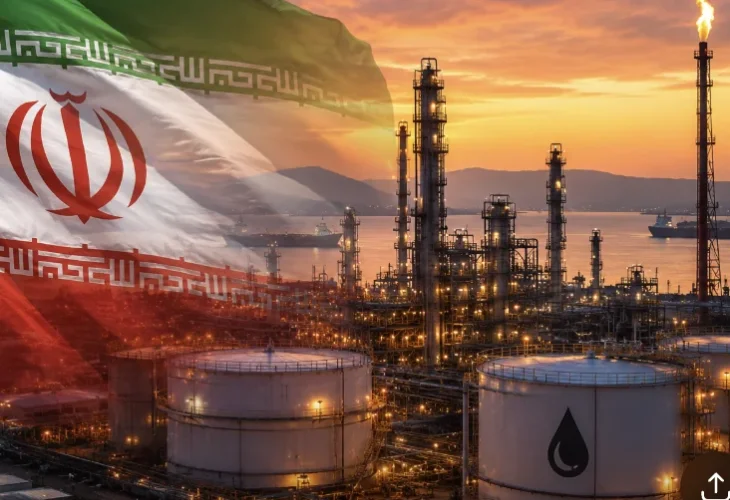
After U.S. President Donald Trump threatened late last month to strike Iran’s energy infrastructure and strategic facilities, Tehran launched a broad diplomatic effort aimed at preventing the attacks. Reuters reported today (Thursday) that, according to five sources familiar with the matter, Iran sent Gulf states an unequivocal message: Any new American attack on its territory would be met with strikes on energy facilities and critical infrastructure across the region.
According to the report, Iran’s foreign minister, Abbas Araghchi, held a series of calls with his counterparts in Saudi Arabia, Qatar and Turkey, as well as with Pakistan’s army chief. In those conversations, Araghchi asked Gulf states to use their influence with Trump to prevent a renewal of U.S. attacks, making clear that in the event of military action against Iran, the response would not be limited to American targets alone.
According to a senior regional diplomat quoted in the report, the message delivered was consistent: "We are ready to respond, but finding a diplomatic solution is the best way to prevent broader escalation and destruction across the region."
An official from the Gulf states said, "The Iranian warning was unequivocal: If America attacks Iran’s infrastructure, they will respond by striking energy facilities in the Gulf and other regional targets."
According to the sources, the goal of the move was to raise the potential cost of U.S. military action through a direct threat to the regional economy and Washington’s closest allies. Countries that host American bases and depend on energy exports now find themselves, according to the report, caught between U.S. pressure and Iranian threats.
Following those contacts, Saudi Crown Prince Mohammed bin Salman spoke with Trump and asked him to delay any military action, return to negotiations, secure a ceasefire and pursue a diplomatic arrangement. At the same time, according to one source, Riyadh made clear that if its territory is attacked, it will respond militarily.
Another Gulf official said, "Saudi Arabia believes further escalation will only bring more destruction. That is why it urged Trump to give diplomacy a chance."
According to another source, the Iranian warning was intended for all Gulf states, but was conveyed primarily through Saudi Arabia and Qatar. In recent years, Iran has worked to rebuild its ties with its Gulf neighbors, including Saudi Arabia, once seen as a major regional rival. Saudi Arabia, Qatar and Oman have all called on the United States to resume talks with Tehran and prevent another confrontation, after Iran warned that another round of U.S. strikes could "turn the region into a fireball."
According to one Iranian official, in the event of another U.S. attack, Iran would consider widespread strikes on energy facilities, refineries, power grids, water infrastructure, transportation networks and oil fields across the Gulf. In his words, "The enemy continues to threaten Iranian infrastructure. If Iran suffers damage, it will respond by causing far greater damage."
The same official also cited the 2019 drone and missile attack on Saudi Aramco facilities, which he said illustrates how vulnerable Gulf states’ energy infrastructure is: "They still remember Saudi Aramco," he added, referring to the attack on the Abqaiq and Khurais facilities, which temporarily shut down more than half of the kingdom’s oil production.
On August 2, Trump announced that he had agreed to cancel the planned attack on Iran, "provided that an agreement can be reached quickly." However, according to the senior regional diplomat, one of the main obstacles to an agreement remains: the United States’ desire to present any deal as a clear achievement for itself. As the diplomat put it: "The U.S. wants something it can present as proof that it won the war."

