

Home Styling
6 Clever Ways to Clean Your Home With Leftover Lemon Peels
Discover simple ways to use lemon peels for cleaning, removing odors, tackling grease, and freshening your home naturally
- Tehila Cohen
- | Updated
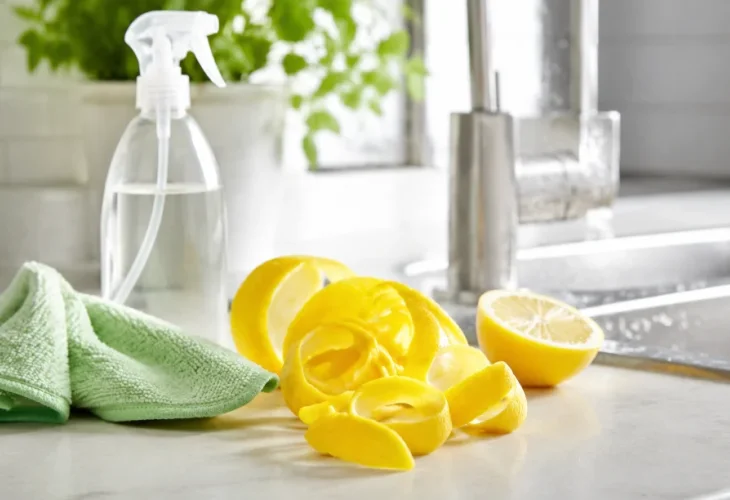
Squeezed a lemon for a dish or salad? The peel that remains may look useless, but it contains natural acids and oils that can help with several household cleaning tasks. Before throwing it away, try these practical uses:
1. Shine Sinks and Faucets
Gently rub the inside of the lemon peel over light water stains and mineral deposits. Let it sit for a few minutes, then rinse and wipe with a dry cloth. The lemon peel can help restore shine to sinks and faucets.
2. Loosen Grime in the Microwave
Place several lemon peels in a microwave safe bowl and add water. Microwave for about three minutes, then leave the door closed for a few more minutes. The steam will help soften food residue and grease, making them easier to wipe away.
3. Remove Odors From Cutting Boards
Rub the inside of a lemon peel over the cutting board, let it sit briefly, and then wash the board thoroughly with soap and water. Lemon can help reduce lingering odors from foods such as onions, garlic, and fish, but it should not replace proper cleaning.
4. Remove Light Grease
The natural oils in lemon peel can help loosen light layers of grease from stovetops, glass cookware, and other suitable surfaces. Rub the area gently with the peel, then clean it with soap and water.
5. Freshen the Trash Can
After washing your trash can, rub the inside with a lemon peel, then rinse and dry it thoroughly. The lemon can help reduce unpleasant odors while leaving behind a fresh scent.
Do not leave the peel sitting inside the trash can for an extended period, as it can begin to rot and attract insects.
6. Make a Citrus Scented Cleaning Spray
Place lemon peels in a jar, cover them with white vinegar, and leave the jar in a shaded place for about two weeks. Then strain the liquid, dilute it with water, and pour it into a spray bottle.
The solution can be used to clean durable surfaces, but it should not be used on natural marble, natural stone, or unsealed wood.
An Important Precaution
Lemon is acidic and can damage marble, natural stone, aluminum, and certain surface finishes. Always test it first on a small, hidden area.
Never mix lemon or vinegar with bleach or other cleaning products.

