

World News
North Korea’s Blunt Message to the World: Denuclearization Is a “Daydream”
Pyongyang forcefully rejected calls to give up its nuclear weapons, saying it will continue building its deterrence. Meanwhile, South Korea’s foreign minister headed to Washington to address growing tensions with the Trump administration.
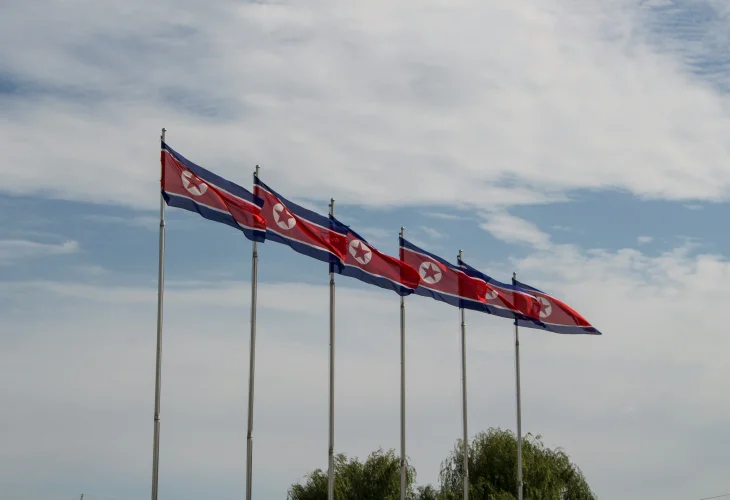 Pyongyang, North Korea (Credit: unsplash)
North Korea sharply attacked international calls for it to denuclearize overnight (Thursday), making clear that it has no intention of backing away from its nuclear program. Kim Yo Jong, the sister of leader Kim Jong Un, addressed discussions held at the 70th General Conference of the International Atomic Energy Agency in Vienna, calling the demand for denuclearization “foolish and familiar chatter.”
In a statement released by the official KCNA news agency, Kim said North Korea’s status as a nuclear-armed state is “absolute,” adding: “The reality in which North Korea’s nuclear status has become permanently established, physically and legally, cannot change even slightly.” Participants at the conference expressed concern over Pyongyang’s expanding nuclear capabilities and called on it to fully and irreversibly abandon its nuclear weapons program.
At the same time, North Korean Deputy Defense Minister Kim Kang Il said at a security conference in Beijing that his country would continue strengthening its nuclear deterrent. According to him, military cooperation among the United States, South Korea and Japan justifies the continued development of a “nuclear shield,” and he called on the international community to abandon the “daydream” of denuclearizing the country.
The statements come amid tensions between Washington and Seoul. South Korean Foreign Minister Cho Hyun departed for Washington for a meeting with Marco Rubio, clarifying that no decision has yet been made on sending forces to the Strait of Hormuz, despite American pressure.
The talks are also expected to address the trade agreement under which Seoul committed to invest $350 billion in American industry in exchange for reducing tariffs to 15%. Its implementation has been delayed by logistical issues, and Trump has previously threatened to raise the tariffs again. According to reports in South Korea, $150 billion is intended for the shipping industry, while the remainder is being considered for investments in Westinghouse, a power plant in Texas and a liquefied natural gas project in Alaska.

