

Israel News
Nearly Half of Israelis Hit by Cyberattacks as Online Scams Surge, Survey Finds
A new National Cyber Directorate survey reveals that 67% of Israelis received suspicious text messages in a single month, while many lack the knowledge to protect themselves against phishing, identity theft, and online fraud
- Shlomi Diaz
- | Updated
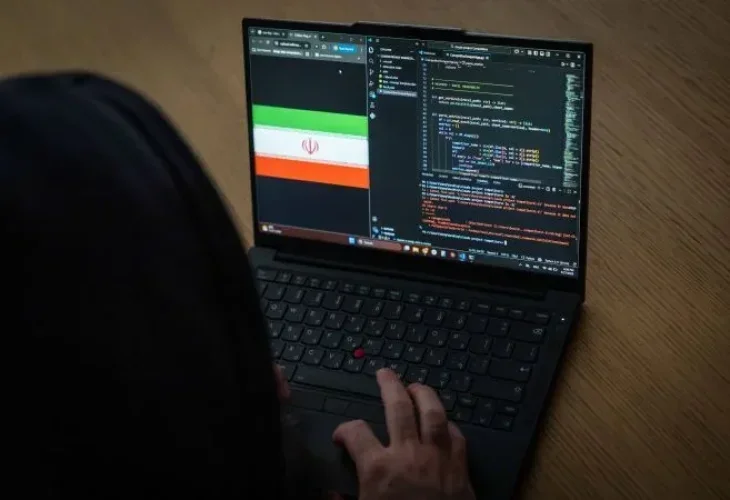 Illustration (Photo: Nati Shohat, Flash90)
Nearly half of Israelis reported experiencing some form of cyberattack or cyber-related harm over the past year, according to a survey published on Monday by the Israel National Cyber Directorate to mark National Cybersecurity Week. The findings also revealed that two out of three Israelis received a suspicious text message within a single month.
The survey highlights a significant gap between public awareness of online threats and the ability to take effective protective measures or respond appropriately to attempted fraud and cyberattacks.
According to the findings, 98% of Israelis are aware of at least one type of cyber threat, including credit card theft, exposure of personal information, online fraud, scams, and computer damage. Although two-thirds of respondents believe they can recognize attempted cyberattacks, only about one-third feel they have sufficient knowledge to deal with such threats.
Suspicious Messages and Phishing Scams Widespread
The survey found that 67% of respondents received a suspicious text message during the preceding month, in the period leading up to the Knesset elections. Another 14% reported receiving messages containing threatening or frightening content during the same period.
Approximately one-third of respondents reported falling victim to phishing messages designed to deceive recipients into disclosing sensitive information or taking potentially harmful actions. Meanwhile, 13% experienced online banking fraud or credit card information theft, and 10% reported that their social media accounts had been hacked.
In addition, 28% of respondents said their mobile phones or computers had been damaged by viruses.
Most Israelis Ignore Suspicious Messages Rather Than Report Them
The survey also examined how Israelis respond when encountering suspicious online activity. According to the findings, 56% of respondents said they ignored or deleted suspicious messages, while only 23% warned others about potential scams.
Just 10% reported suspicious activity to the relevant authorities, indicating that formal reporting remains relatively uncommon despite widespread exposure to online threats.
Reporting rates were somewhat higher when respondents encountered inciting content on social media. In those cases, 26% said they had reported an inflammatory or inciting post to the platform on which it appeared.
Overall, the findings suggest that although Israelis are highly aware of cybersecurity risks, many lack the practical knowledge or confidence needed to protect themselves effectively. The survey underscores the importance of strengthening digital safety education, encouraging preventive measures, and improving public awareness of how to respond to and report cyber threats.

