Home Styling
7 Kosher Meal Planning Tips to Save Time and Simplify Cooking
Make weekly meal preparation easier with seven practical tips for organizing meat and dairy meals, reducing food waste, using leftovers, and keeping your kosher kitchen running smoothly
- Moriah Chen
- | Updated
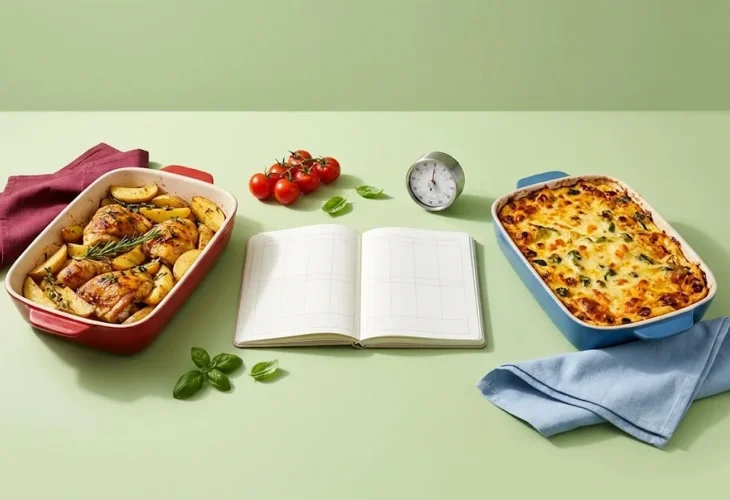
Planning your meals in advance can make everyday cooking more manageable. Knowing what's on the menu allows you to use ingredients efficiently, prepare dishes ahead of time, and avoid unnecessary purchases. In a kosher kitchen, planning also helps coordinate meat and dairy meals while minimizing the need to switch between separate cookware and utensils.
Following are seven practical ways to simplify your weekly meal routine.
1. Check What You Already Have
Before making your grocery list, check your refrigerator, freezer, and pantry. You may find leftover meatballs that can be served again, vegetables that need to be used soon, or dairy products approaching their expiration dates.
Try planning two or three meals around ingredients already in your kitchen, and check the freezer for prepared dishes as well. You may discover that an entire meal is ready to be reheated. Using what you have before buying more reduces food waste and helps keep grocery expenses under control.
2. Plan Your Meat and Dairy Meals
When preparing your weekly menu, account for the waiting period between meat and dairy according to your family's custom. If your children return home from school at different times, consider when each of them last ate dairy or meat.
On days when a meat lunch is served later than usual, plan a pareve dinner instead. An omelet, salad, tahini, and bread can make a satisfying meal when prepared with the appropriate utensils.
3. Cook Once, Eat Twice
Certain dishes lend themselves especially well to preparing larger quantities. If you're making meatballs, consider doubling the recipe and saving some for another meal. Roasted chicken, soups, and stews can also be prepared ahead and stored for later use. Divide food into portions according to your family's needs, cool it safely, and store it following food safety guidelines. This makes it easier to defrost only the amount required.
You can also vary the accompaniments to keep meals interesting. Meatballs served with rice early in the week can be paired with potatoes or roasted vegetables another day, creating a different meal without preparing a new main dish.
4. Group Cooking Tasks by Meat and Dairy
Preparing both meat and dairy dishes on the same day can complicate kitchen routines, particularly when separate pots, pans, and preparation surfaces are required. Instead, consider dedicating certain cooking sessions to one category. For example, while preparing meatballs, you can also make a meat stew to freeze for another day. During a separate session, you might prepare a dairy casserole or another dish that keeps well in the refrigerator.
Grouping similar tasks helps maintain an orderly kosher kitchen and reduces the number of times you need to switch equipment.
5. Choose Simple Meals for Busy Days
Not every evening calls for an elaborate dinner. When organizing your weekly menu, identify the days when your schedule is especially demanding and choose meals accordingly. An omelet with salad, bread, and spreads can make a perfectly adequate family dinner. Alternatively, a single tray of roasted chicken, potatoes, and vegetables provides a complete meal with minimal preparation and cleanup.
Matching the complexity of your meals to your family's schedule makes it easier to maintain a consistent routine without sacrificing variety.
6. Label Containers in the Refrigerator
When several dishes are prepared at once, it's easy to lose track of what's inside each container or when it was cooked. A small label identifying the dish, preparation date, and whether it is meat or dairy can prevent confusion, especially in households where several family members serve themselves.
Labeling also makes it easier to identify older dishes that should be eaten first, reducing the likelihood that forgotten leftovers will go to waste.
7. Keep a Backup Plan for Unexpected Changes
Even a carefully organized weekly menu may need adjustments. You might arrive home later than expected, the children may eat elsewhere, or an earlier meal may leave more leftovers than anticipated. Keep two or three prepared family meals in the freezer for these situations, along with basic ingredients such as eggs, vegetables, tahini, and bread for quick alternatives.
You can also leave one evening each week open for using suitable leftovers. If none are available, prepare a familiar, simple meal instead. After a few weeks, review which dishes your family enjoyed, what was left uneaten, and which preparations fit most comfortably into your schedule. Keep the successful options and replace those that proved unnecessarily complicated.
Over time, you'll develop a flexible collection of meals suited to your family's preferences, dietary requirements, and daily routine. The goal isn't to follow a rigid menu, but to create a practical system that makes cooking easier and family mealtimes more enjoyable.