Interesting
How to Keep Fresh Herbs Longer: Easy Storage Tips to Prevent Spoilage
Learn the best ways to store parsley, cilantro, basil, mint, and other fresh herbs, with simple tips for refrigeration, freezing, and drying to preserve freshness, reduce food waste, and extend shelf life
- Shira Dabush
- | Updated
Parsley for meatballs, cilantro for salads, dill for soup, and mint for tea—fresh herbs add flavor and aroma to everyday dishes. And yet, using an entire bunch before it spoils can be a challenge. Too often, herbs are placed in the refrigerator in their original packaging, only to be forgotten until their leaves turn yellow, wet, or slimy.
The key to keeping herbs fresh is choosing the right storage method. Most herbs benefit from refrigeration and a little moisture, while basil is particularly sensitive to cold temperatures. The amount of water left on the leaves also affects how long they remain fresh.
Start by Sorting and Preparing Your Herbs
Before storing fresh herbs, remove them from their packaging and inspect the bunch. Discard any damaged, yellowing, or decaying leaves, and trim the ends of the stems. When shopping, look for herbs with vibrant leaves and firm stems. Proper storage can help preserve freshness, but it cannot restore herbs that have already begun to deteriorate.
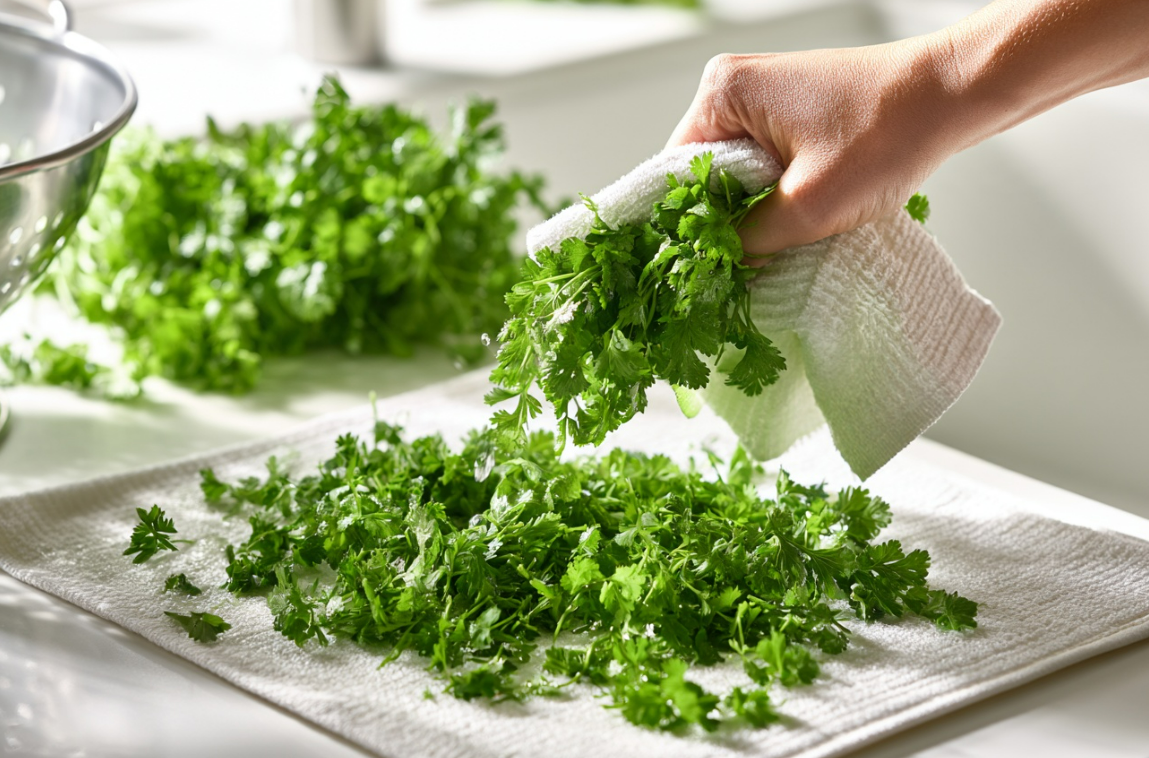
Fresh herbs can be stored unwashed in the refrigerator and rinsed shortly before use. If you prefer washing them in advance, make sure to remove excess water and dry them gently before storing. Too much moisture can encourage spoilage, so the goal is to keep the herbs hydrated without leaving their leaves soaking wet.
Two Simple Ways to Store Fresh Herbs
One of the easiest ways to store most fresh herbs is to wrap them in a slightly damp paper towel. Place the herbs on the towel, roll them up gently, and put the bundle inside a resealable bag in the refrigerator's vegetable drawer. The paper towel should be lightly damp rather than saturated, and the herbs should not be packed tightly or crushed. Health Canada recommends this method for storing herbs for up to approximately five days, although their actual shelf life depends on their freshness when purchased and the storage conditions.
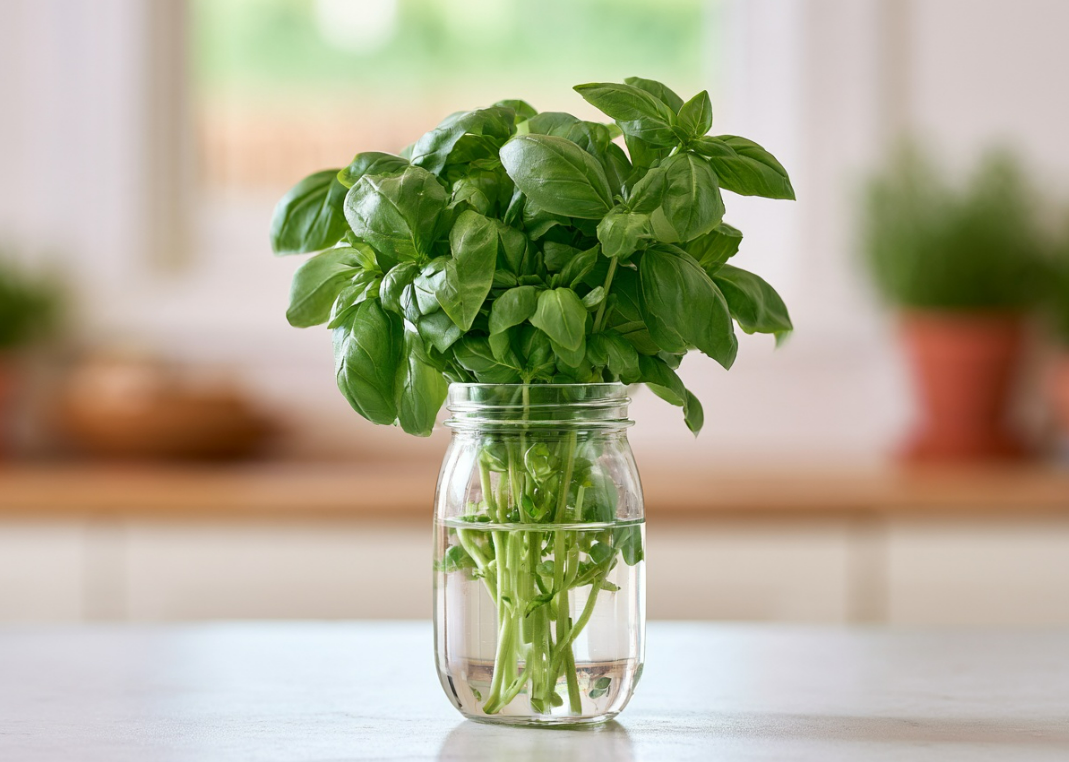
Another convenient option is to treat fresh herbs like a small bouquet of flowers. Trim the stems and place the herbs upright in a glass or jar containing a little water, ensuring that the stem ends are submerged while the leaves remain above the waterline. This method works particularly well for parsley and cilantro. Choose a stable container that can sit securely inside the refrigerator without tipping over when the door is opened.
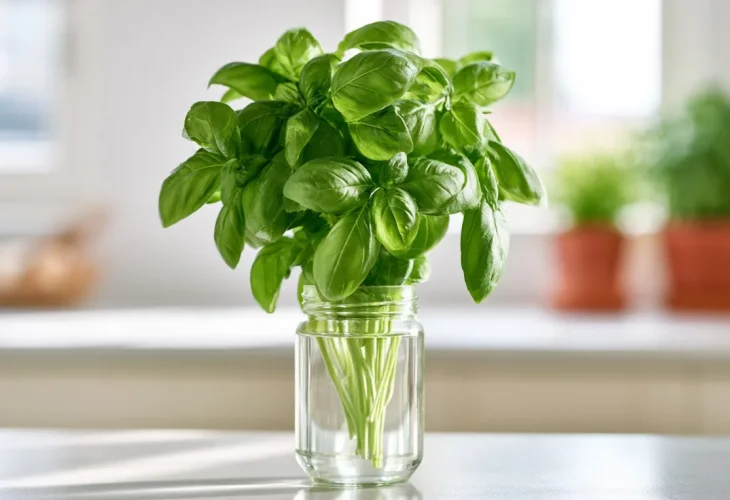
Unlike many other fresh herbs, basil is particularly sensitive to cold temperatures. Refrigeration can cause its leaves to darken or turn black. Instead, place basil stems in a glass of water at room temperature, away from direct sunlight and heat from the stove. If you have purchased a large quantity, plan to use it within the next few days or freeze some while it is still fresh.
Freezing Herbs for Future Use
Freezing is an excellent option for herbs intended for cooking, especially when you have more than you can use immediately. Wash the herbs, complete any necessary inspection, dry them thoroughly, and chop them into convenient portions. Transfer the chopped herbs to a freezer-safe bag, label it with the herb's name and the date, and remove only the amount needed for each recipe.
Alternatively, divide chopped herbs among the compartments of an ice cube tray, cover them with water, and freeze. The frozen cubes can be added directly to soups, sauces, and cooked dishes. According to Canadian food-storage guidance, herb cubes are best used within approximately three months. Because freezing changes the texture of the leaves, thawed herbs are generally better suited to cooking than to fresh garnishes.
Drying Rosemary, Thyme, and Sage
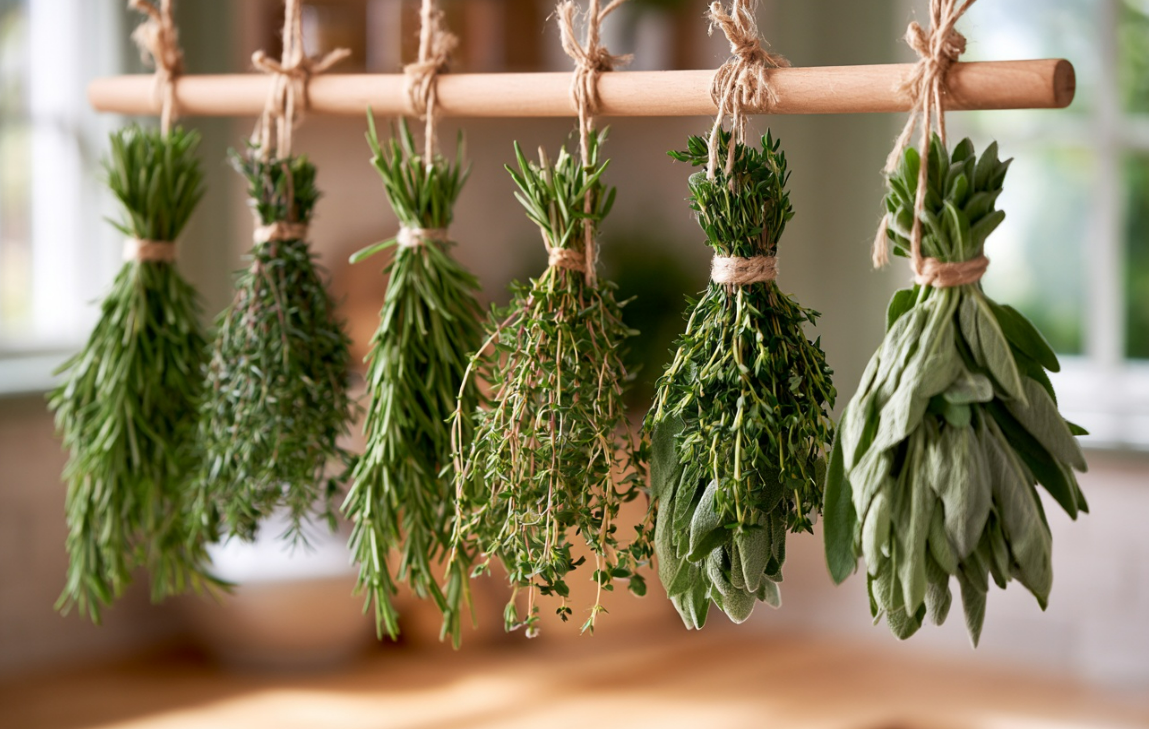
Woody herbs such as rosemary, thyme, and sage are particularly well suited to drying. After cleaning the herbs and removing excess moisture, tie them into small bundles and hang them in a dry, well-ventilated location away from kitchen humidity. Once the leaves are completely dry and crumble easily, transfer them to an airtight container and store them in a cool, dark cupboard, away from the stove and sink. For better flavor retention, keep the dried leaves whole and crumble them only when needed.
Important Food Safety and Kashrut Guidelines
Before eating fresh herbs, wash them thoroughly under running water without soap or household cleaning products. Fruits and vegetables that require inspection for insects should be cleaned and checked according to the requirements for each type. Leafy vegetables should be purchased from specially supervised growers that use methods designed to prevent insect infestation. Even these products must be cleaned according to the instructions on their packaging.
With a few simple storage habits, you can keep herbs fresher, reduce food waste, and enjoy their flavor in everything from salads and soups to sauces and home-cooked meals.