

Interesting
Locked-Up Phones, Better Grades? A Study of 3.3 Million Students
A large U.S. study found that restricting smartphone access during the school day was linked to academic gains equivalent to one to two additional weeks of learning per year
- Shira Dabush
- | Updated
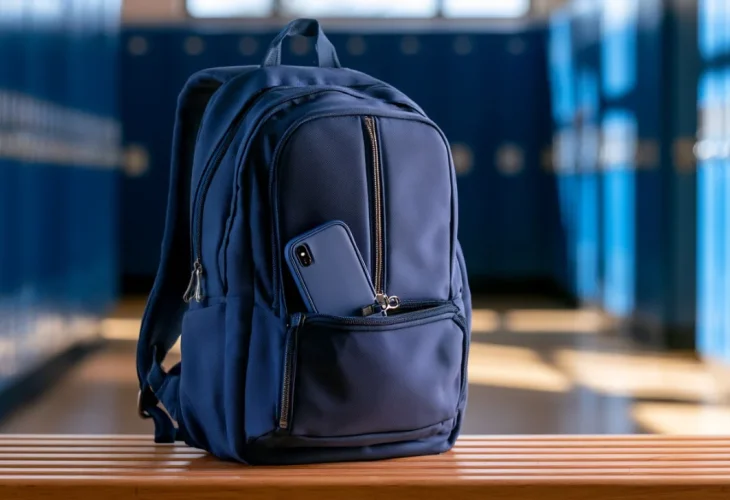
A study conducted by researchers from Harvard University, Dartmouth College, and the educational assessment organization NWEA in the United States found that locking students' smartphones in specially designed pouches during the school day can improve academic performance in reading and mathematics. The research, which examined data covering approximately 3.3 million students, suggests that keeping phones inaccessible throughout the school day may help students concentrate more effectively and better absorb classroom material.
Under the policy, students place their phones in locking pouches at the beginning of the school day. The pouches remain in their possession during lessons and breaks but can only be opened at the end of the day using a designated magnetic unlocking device.
The Equivalent of One to Two Additional Weeks of Learning
Researchers analyzed results from MAP Growth assessments collected over five academic years at approximately 4,600 schools across the United States, comparing academic progress at schools that adopted the phone-locking policy with results from schools that did not. Students at schools using the pouches demonstrated faster progress in reading and mathematics, with improvements equivalent to approximately one to two additional weeks of learning per year, despite no increase in actual classroom hours.
According to Harvard economist Thomas Kane, a member of the research team, the academic gains persisted into the second and third years after the policy was introduced, suggesting that the benefits were not limited to the initial adjustment period.
Further Research Supports the Findings
The results align with a separate study published in October in The Quarterly Journal of Economics, which also identified modest improvements in academic achievement following restrictions on smartphone use at school, particularly in mathematics. However, researchers caution that it is still too early to determine whether these academic advantages will continue to accumulate over many years.
They also emphasize the need for additional data examining how students spend their time on different smartphone apps after the final school bell and whether those habits are associated with their academic progress. While further research is needed to understand the long-term effects, the findings suggest that restricting access to smartphones during school hours could be a relatively straightforward way to improve concentration and academic performance without extending the school day.
 InterestingThe Observatory That Will Map the Universe for the Next Decade
 Raising ChildrenScreens in the Classroom: What Every Parent Should Know
 Raising ChildrenThe Hidden Crisis in Education: Why So Many Children Are Losing Their Way
 InterestingHow 29,000 Rubber Ducks Lost at Sea Changed Science Forever

