

Naturopathy and Natural Medicine
Can Indoor Gardening Boost Your Immune System? New Study Reveals Surprising Benefits
Researchers discover that growing plants in microbe-rich soil may improve skin microbiome diversity and support immune regulation, offering a simple way to bring the benefits of nature indoors
- Shira Priant
- | Updated
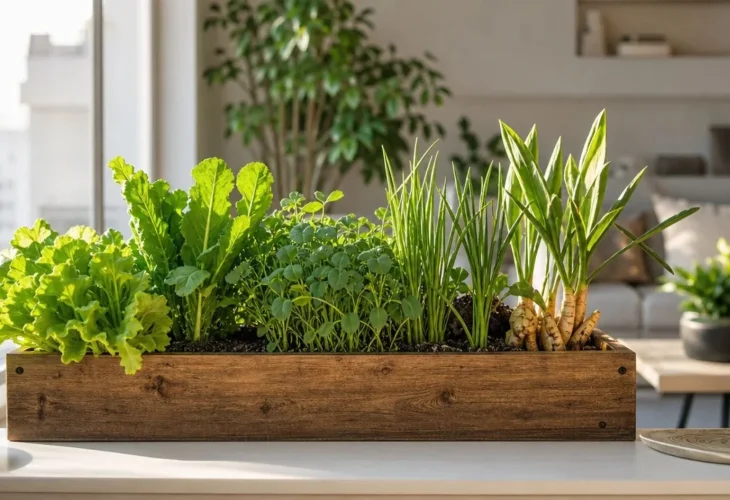
When was the last time you got your hands dirty? For people living in rural areas, contact with soil may be part of everyday life. But for those living in apartment buildings and densely populated cities, opportunities to interact with nature can be limited.
Scientists have long investigated whether reduced exposure to microorganisms found in natural environments may contribute to immune system imbalances and inflammatory conditions. Now, a study published in the scientific journal Environment International suggests that a simple, inexpensive activity could help bring some of nature's benefits into the home: indoor gardening.
Conducted by researchers from the University of Helsinki, the Natural Resources Institute Finland, and Tampere University, the study examined whether regular contact with soil indoors could influence the skin microbiome and immune system in ways similar to spending time in nature.
What Did the Researchers Discover?
Over the course of one month, participants grew common vegetables and plants in indoor planters, including peas, lettuce, beans, mustard, garlic, and ginger. The researchers divided them into two groups, each using a different type of growing medium. One group received a microbially rich mixture designed to resemble forest soil, while the other used a conventional peat-based medium containing relatively few microorganisms.
The results revealed notable differences. Participants who handled the microbially rich soil experienced an increase in the diversity of beneficial bacteria on their skin, along with higher levels of anti-inflammatory cytokines in their blood. These immune-signaling proteins help regulate inflammatory responses and maintain immune balance. By contrast, participants who used the peat-based growing medium showed no comparable changes.
"This is the first time we have demonstrated that a natural and meaningful human activity can increase microbiota diversity in healthy adults while contributing to immune regulation," explained Mika Saarenpää, a researcher at the University of Helsinki's Faculty of Biological and Environmental Sciences.
The findings suggest that even relatively brief exposure to a diverse community of environmental microorganisms may influence immune function. However, the study did not establish whether these changes translate into fewer illnesses or long-term health benefits.
How to Bring the Benefits of Gardening Into Your Home
Indoor gardening requires relatively little space or money. A small planter near a sunny window may be enough to get started, making the activity accessible even to people without a garden or balcony. According to the researchers, many participants enjoyed the experience so much that they chose to continue growing plants after the experiment ended.
Choosing the right soil is an important consideration. Rather than relying exclusively on sterile or peat-based potting mixes, gardeners can look for quality growing media containing organic matter and a diverse microbial community, such as suitable compost-enriched soil. However, not all commercial soils are equivalent to the specially prepared medium used in the study.
Getting started can be as simple as planting herbs, lettuce, peas, garlic, or ginger in a small container placed near a well-lit window. The key is to choose plants suited to the available space and sunlight, making gardening an enjoyable activity rather than a demanding chore.
Direct contact with soil may also be important. The researchers were particularly interested in how environmental microorganisms interact with the skin, suggesting that gardening without gloves could provide an opportunity for this exposure. However, soil should be safe to handle, and hands should be washed afterward. Gloves are advisable when handling potentially contaminated soil or for individuals with cuts, weakened immunity, or other relevant health concerns.
Consistency may be another factor. Although researchers have not yet determined how long the observed immune changes persist after exposure ends, making indoor gardening a regular hobby could provide ongoing opportunities to interact with environmental microorganisms.
A Simple Way to Reconnect With Nature
The study offers an intriguing insight into the relationship between our surroundings, the microorganisms we encounter, and immune function. While further research is needed to determine whether indoor gardening can meaningfully reduce the risk of disease, the activity may offer benefits beyond its potential effects on the immune system.
Growing plants can provide a rewarding routine, a sense of accomplishment, and an opportunity to reconnect with nature, even in the middle of a busy city. A small planter on a windowsill may not replace time spent outdoors, but it could offer a simple, accessible way to bring more of the natural world into everyday life.
 Wonders of CreationHow to Grow Bigger, Healthier Tomatoes: The Soil Secret Every Gardener Should Know
 ShabbatCan You Water Plants on Shabbat? Gardening and Halacha Explained
 Health and NutritionCan a Gut Microbiome Test Really Tell You What to Eat?
 Health and Nutrition3 Powerful Immune-Boosting Ingredients to Start Using Before Winter Arrives

