

Interesting
10 Poisonous Plants That Could Be Dangerous for Children
From oleander and castor bean plants to stinging nettles and common garden favorites, discover 10 potentially dangerous plants, how to recognize them, and what to do if your child touches or swallows one
- Tehila Cohen
- | Updated
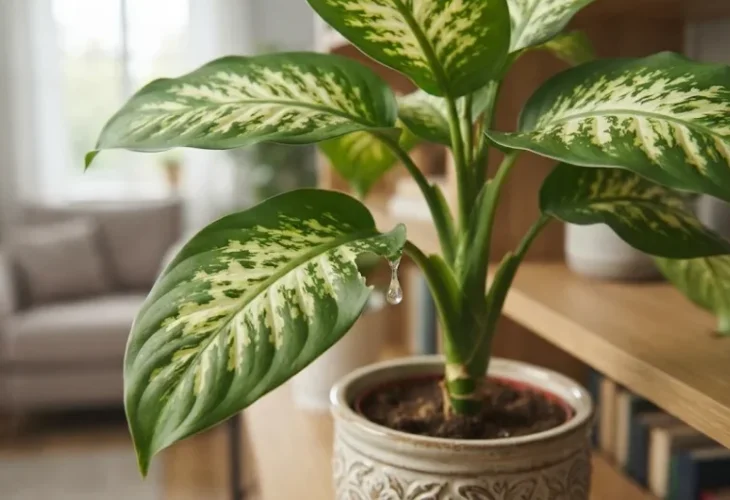
Flowers and plants naturally attract the attention of children and adults alike. When children spot an unusual flower or an interesting-looking plant, their first instinct is often to pick it up, touch its leaves, or examine it more closely.
However, before allowing a child to handle an unfamiliar plant, it's worth taking a closer look. Some plants commonly found in Israel can cause skin irritation, burns, or serious poisoning if touched or swallowed.
A simple rule for outings with children is to avoid touching plants you cannot confidently identify.
Plants That Can Cause Harm Through Contact
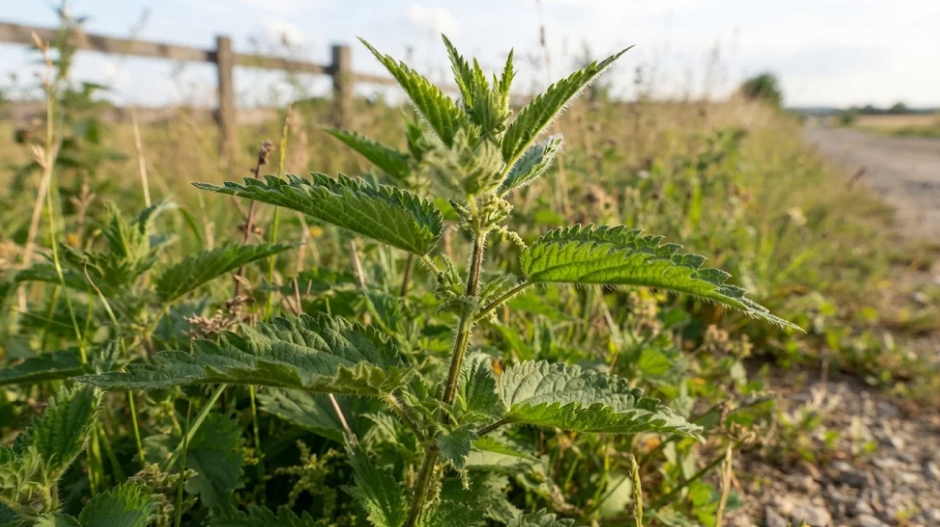
1. Stinging Nettle
Stinging nettles are commonly found along roadsides and in open areas. Their leaves have serrated edges, and the plant is covered with tiny stinging hairs. Even brief contact can cause a burning sensation, itching, and redness.
Teach children to recognize the plant's distinctive leaves and admire them without touching.
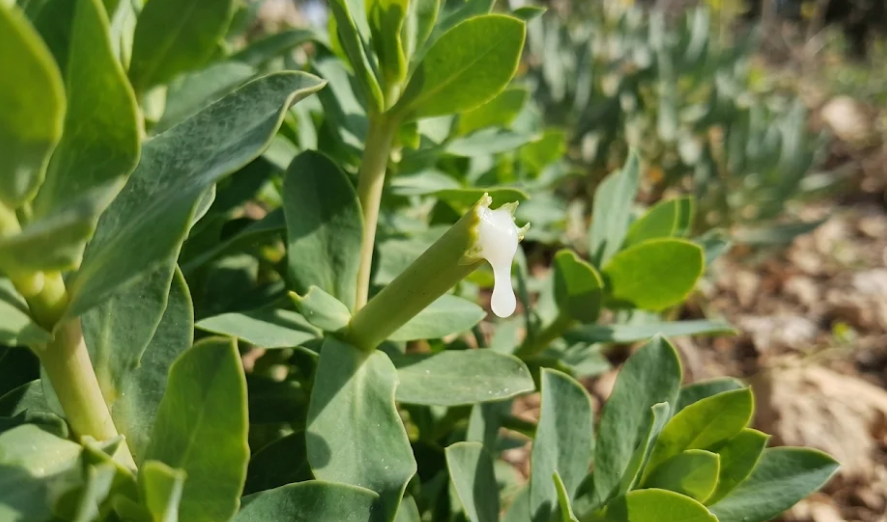
2. Spurge (Euphorbia)
Several species of spurge grow throughout Israel, including in private gardens. When a leaf or stem breaks, it may release a milky white sap that can irritate the skin.
Contact with the eyes is particularly concerning and requires immediate rinsing. Even rubbing an eye with a hand contaminated by the sap can transfer the irritating substance.
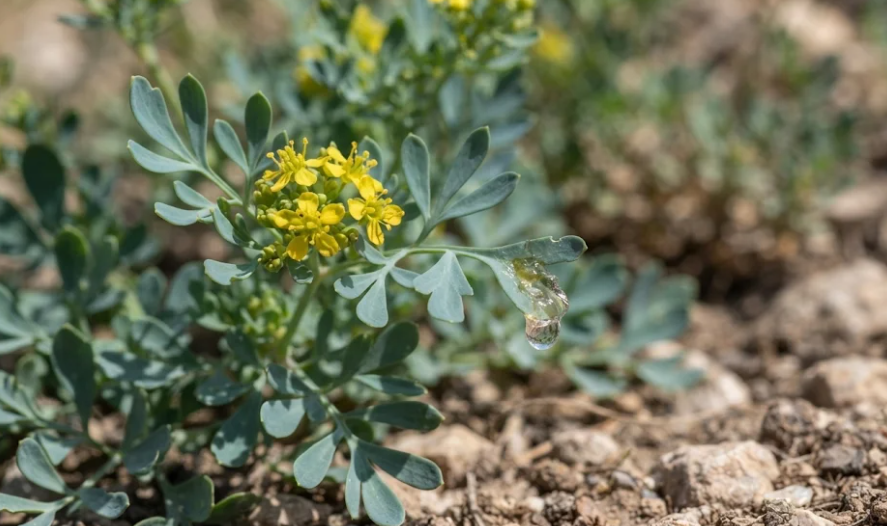
3. Common Rue
Common rue has small, divided leaves and yellow flowers. Contact with the plant's sap, followed by exposure to sunlight, can cause redness and blistering.
The reaction may be delayed, meaning the skin can appear completely normal immediately after contact. Children should avoid picking or handling the plant, particularly when spending time outdoors in the sun.
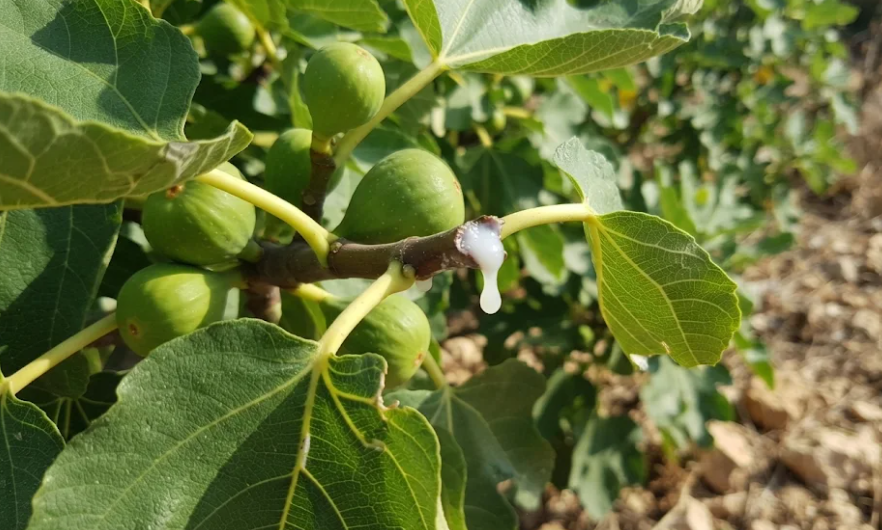
4. Fig Tree
Although figs are a familiar fruit, the milky sap released from the tree's leaves, branches, and unripe fruit can be harmful to the skin.
If the sap remains on the skin and is followed by exposure to sunlight, it can trigger a reaction resembling a burn. Wearing gloves when pruning fig trees can help prevent contact.
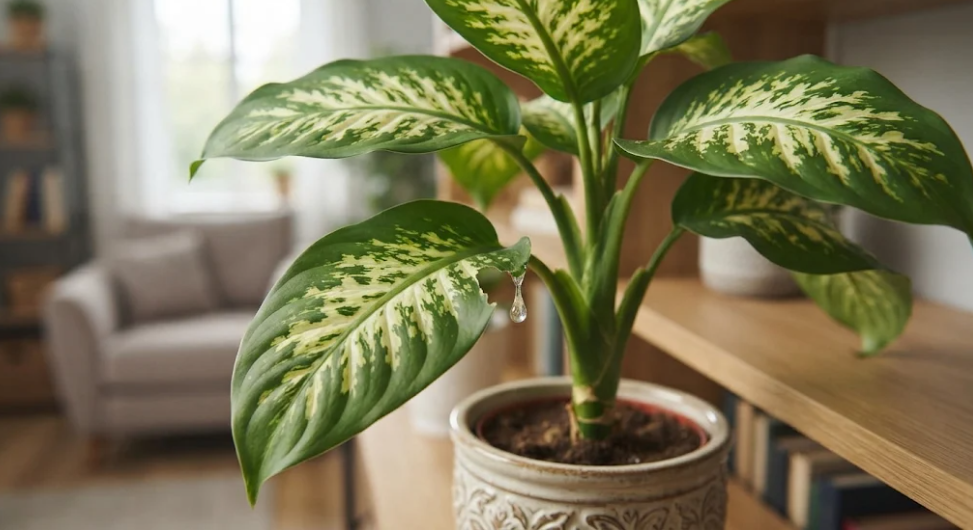
5. Dieffenbachia (Dumb Cane)
Dieffenbachia is a popular indoor plant with large green leaves, often marked with lighter patches. Its sap can irritate the skin and eyes, while chewing its leaves or stems may cause burning, irritation, and swelling in the mouth.
In homes with toddlers, place the plant well out of reach, including any leaves that hang over the edge of the pot.
Plants That Are Particularly Dangerous if Swallowed
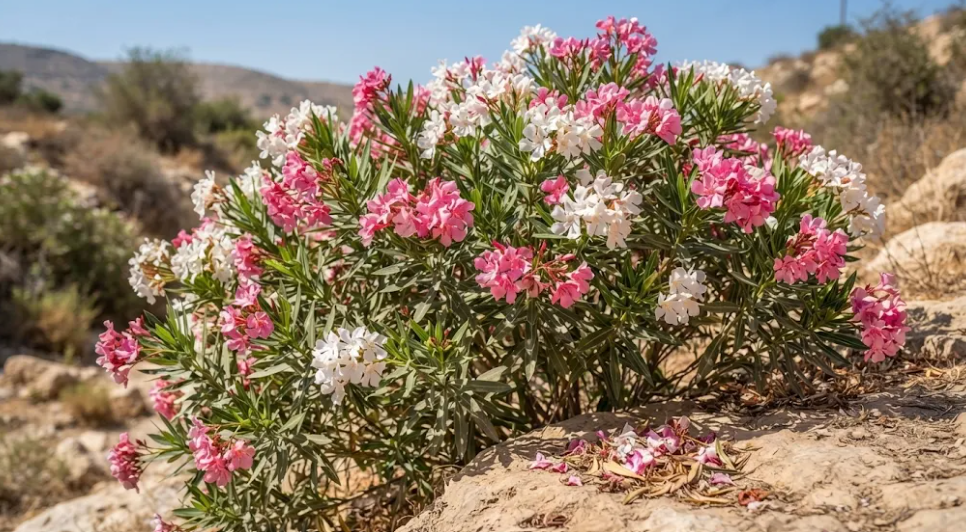
6. Oleander
Oleander is a flowering shrub with long, narrow leaves and pink or white flowers. It grows both in the wild and in private and public gardens throughout Israel.
All parts of the plant are poisonous if swallowed, and poisoning can affect the heart's rhythm. Parents should ensure that children do not play with fallen flowers or leaves, which can be just as dangerous as those still attached to the plant.
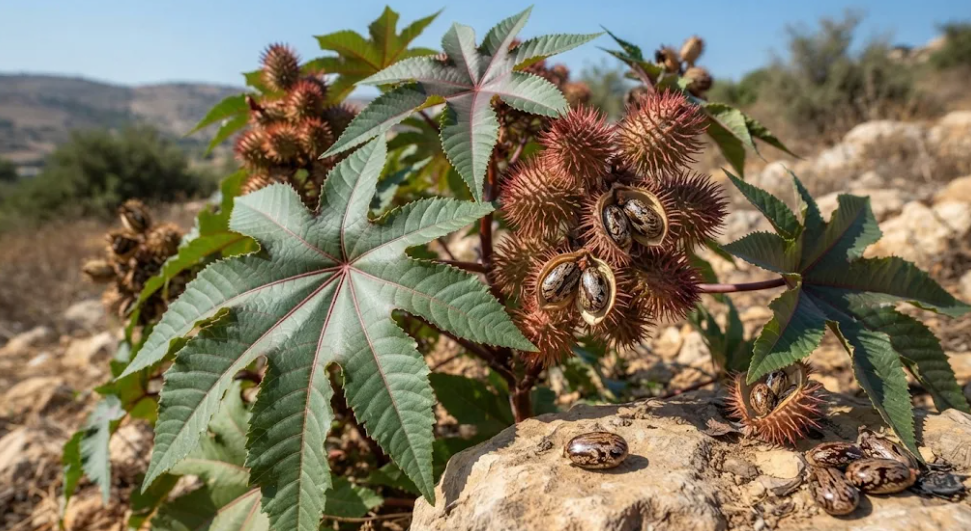
7. Castor Bean Plant
The castor bean plant has large, deeply lobed leaves and distinctive seed pods that are sometimes covered with spiny projections.
Its seeds are highly toxic, particularly when chewed. Children collecting seeds, pods, or other natural materials for crafts should be taught to leave castor bean seeds untouched.
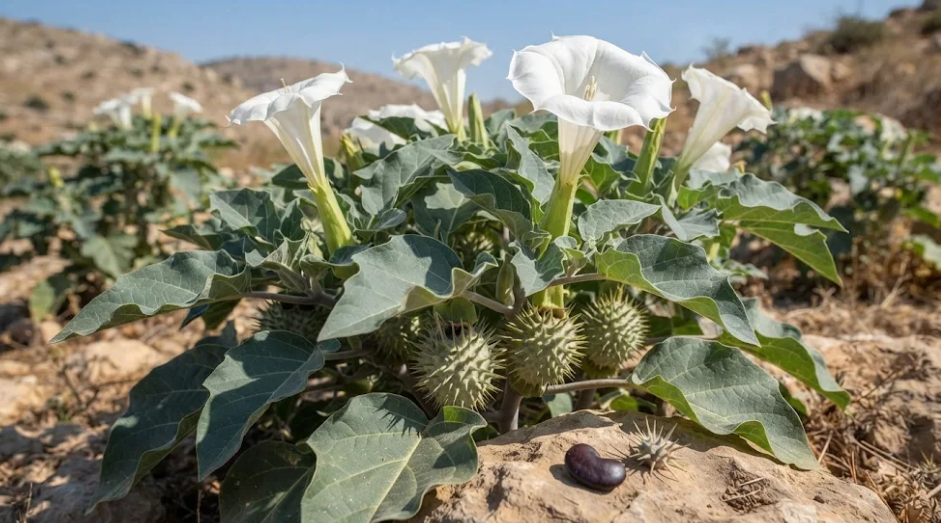
8. Datura (Jimsonweed)
Datura is recognizable by its large, trumpet-shaped flowers and, in some species, spiny seed capsules.
Swallowing any part of the plant, including its seeds, can cause severe poisoning. If a child puts any part of a datura plant in their mouth, seek immediate advice from a poison control center.
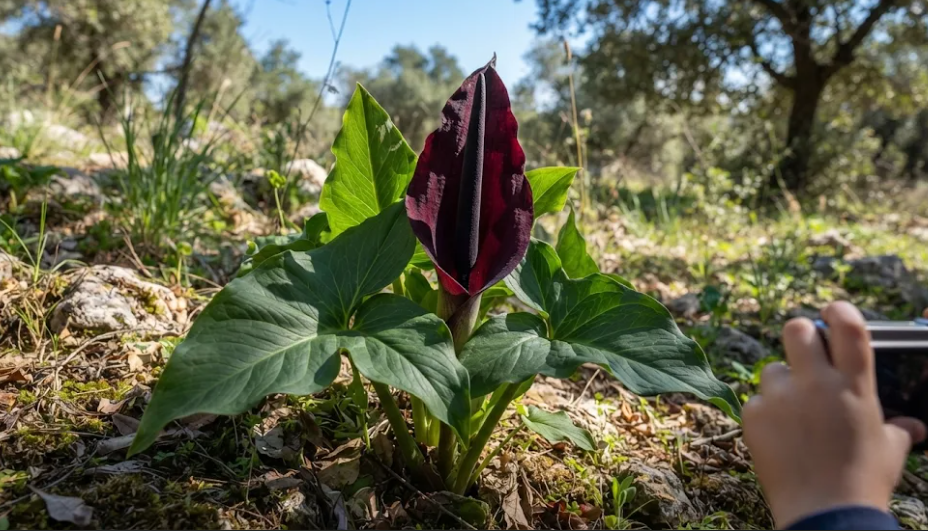
9. Israeli Arum
Israeli arum has distinctive arrow-shaped leaves and a dark purple, almost black, flower structure.
The raw plant is toxic, and chewing its leaves or other parts can cause a painful burning sensation in the mouth. If you encounter it during a nature walk, encourage children to admire its unusual appearance without picking it.
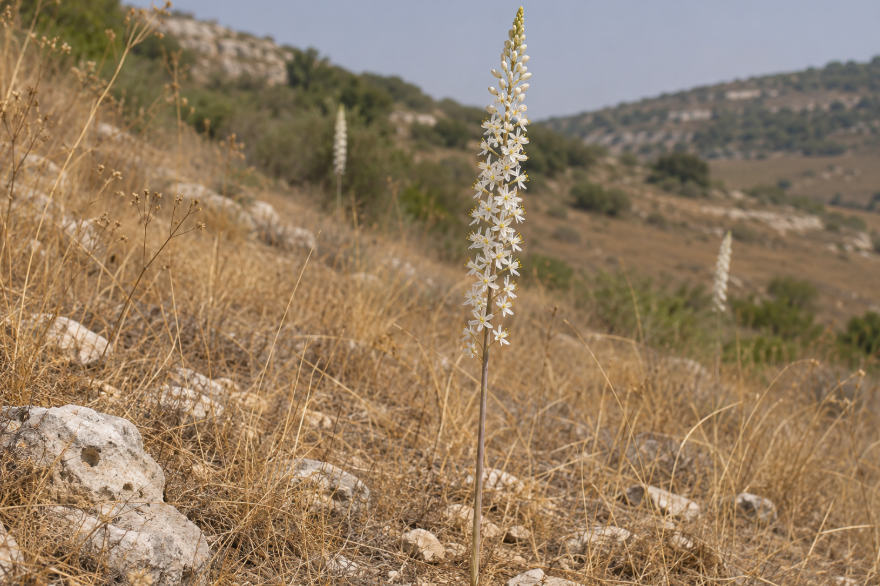
10. Sea Squill
Sea squill is easily recognized during its flowering season by its tall stalk covered with numerous small white flowers.
The plant is poisonous if swallowed, making it important to prevent children from putting any part of it in their mouths.
What Should You Do if a Child Touches or Swallows a Poisonous Plant?
If plant sap comes into contact with the skin: Rinse the affected area promptly under running water. Seek medical advice if significant pain, blistering, or a rash develops.
If plant sap gets into the eyes: Immediately begin gently rinsing the affected eye with running water for 20 minutes, and seek medical advice.
If you suspect a child has swallowed part of a poisonous plant: Contact a Poison Information Center, even if the child has no symptoms. Do not induce vomiting. If possible, take a photograph of the plant to help medical professionals identify it.
If a child develops difficulty breathing, experiences a seizure, or loses consciousness: Contact emergency services immediately.
Learning to recognize potentially dangerous species and teaching children not to touch or taste unfamiliar plants can help families enjoy nature more safely.
 InterestingDoctors Warn: Popular Steam Inhalation Remedy Can Cause Serious Burns
 InterestingBaby Swallows Pin From Crib Amulet: Mother Issues Warning to Parents
 Israel NewsGett Launches a New Feature for Parents: Order a Taxi With a Child Booster Seat
 Wonders of CreationThe Poisonous Fruit Hidden in the Dead Sea Desert

