

Behind the News
CNN: CENTCOM Seeking ‘Creative and Unconventional’ Ways to Pressure Iran
What those options could look like: from sealing Iran’s borders to seizing islands or cutting off its oil revenue
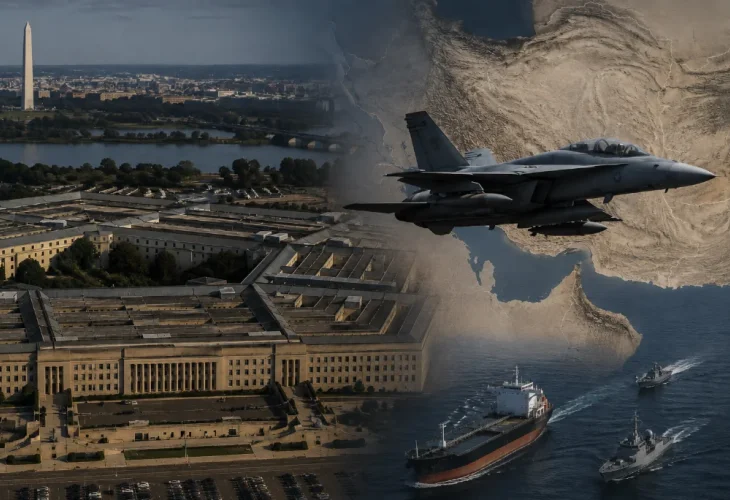
A senior U.S. Central Command officer recently asked military analysts for “new creative and unconventional ways to pressure and punish Iran,” CNN reported Monday, as Washington searches for leverage after weeks of airstrikes failed to produce an agreement.
CNN did not disclose what ideas were submitted. But previously reported plans and recent U.S. operations offer a picture of the options Washington could consider as it looks for a measure strong enough to change Iran’s position without triggering a wider war, disrupting global oil supplies or provoking attacks on U.S. bases and regional allies.
One possibility is extending Iran’s isolation from sea to land. The Telegraph reported on Friday that the United States and Israel had discussed pressing Iran’s seven neighbors to close or sharply restrict their border crossings. That could block trade routes Iran can still use even while its ports are under a U.S. blockade. But retired U.S. Lt. Gen. Sean MacFarland said the plan would be “almost impossible” to carry out, as it would mean persuading governments like Turkey, Iraq, Pakistan and Afghanistan, who already have several ties to Iran.
Washington could also widen its campaign against Iran’s oil trade. U.S. forces could pursue more ships in Iran’s “shadow fleet,” tankers that hide their owners, switch off tracking systems or transfer oil between vessels to disguise where it came from. At the same time, Washington could sanction the foreign companies and banks helping Iran sell the oil and collect payment. The goal would be to stop Iran from delivering its oil and make it much harder for Tehran to collect the money even when a shipment gets through.
U.S. officials believe that sanctions and the naval blockade may ultimately hurt Iran more than further bombing, although that approach would take longer. It would also avoid the immediate risks of occupying Iranian territory or sending troops into underground nuclear sites.
A more dramatic option would be taking Kharg Island, the hub that handles a large majority of Iran’s oil exports. U.S. forces have struck targets there while avoiding the oil facilities, and President Trump has publicly left open the possibility of seizing it. Holding the island could deny Iran its main export point, but it would still place American troops on Iranian territory, which could be highly dangerous and unpopular for Americans.
The United States could also take over smaller Iranian-controlled islands around the Strait of Hormuz to weaken Iran’s ability to threaten and attack the area. Islands like Abu Musa, Greater Tunb and Lesser Tunb contain radar, missile and naval positions. Capturing some of those could remove Iranian forces and help create a protected route for commercial vessels, so Iran cannot use that control to pressure the United States and its allies.
Another option would send special forces after Iran’s remaining highly enriched uranium. Bombs may not be able to destroy material or equipment buried deep underground, including at Pickaxe Mountain. A raid would aim to locate and physically remove the stockpile, but it could become one of the riskiest special-operations missions ever attempted.
CENTCOM could also shift more of the fighting to unmanned weapons. In July, the command used one-way attack sea drones in combat for the first time, striking an Iranian submarine and ship-maintenance facility at Bandar Abbas. A larger campaign could send unmanned boats after Iranian attack vessels, minelayers and coastal military sites. That would allow Washington to strike Iran while keeping more American sailors out of the line of fire.
Washington could also bring more countries into the effort. European and Gulf allies could send ships and aircraft to help protect commercial vessels in the Strait of Hormuz and join tougher economic measures against Iran. That could keep oil moving, reduce the burden on U.S. forces and make it harder for Iran to retaliate against any one country without confronting a broader coalition.
Each option carries serious limits. Border closures depend on other governments, island seizures could widen the war, and financial pressure may not change Iran’s position quickly. Any new strategy would also have to keep oil moving and avoid triggering attacks on U.S. bases or allied countries. That is why the CENTCOM request is significant: As Joint Chiefs Chairman Gen. Dan Caine told lawmakers, “Air power has its limits,” and Washington is still searching for a way to force a deal without setting off a conflict it can no longer control.

