

Magazine
Wounded and Alone: The Yom Kippur War Miracle That Changed His Life
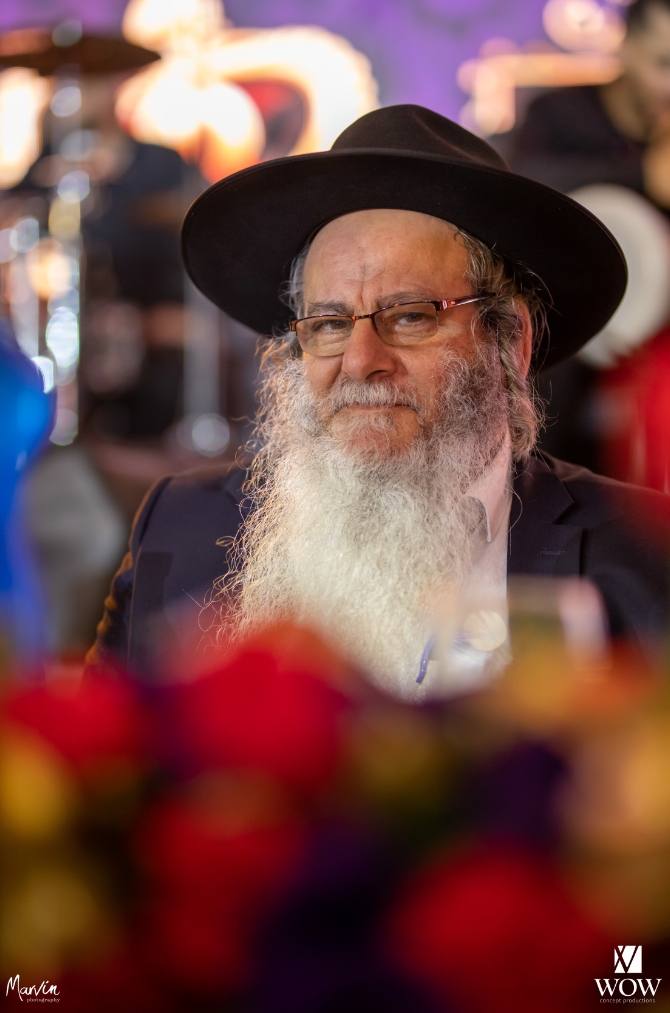
Rabbi Ben Zion Salami still remembers the moment he lay wounded and alone during the Yom Kippur War. It was there that he turned to Hashem in prayer.
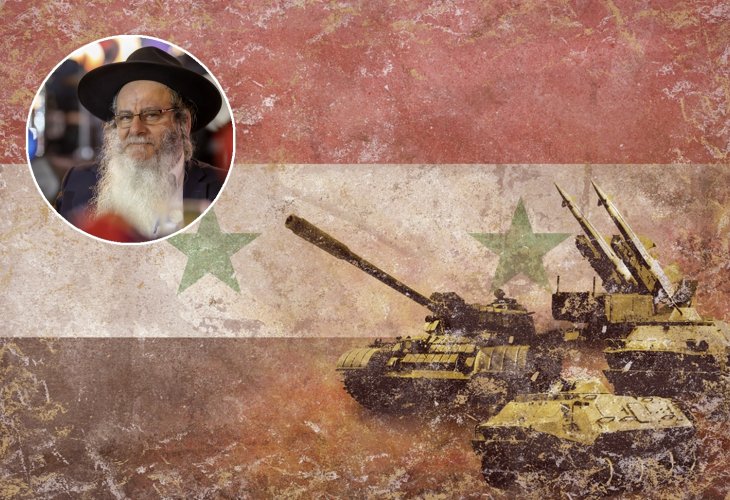 Inset: Rabbi Ben Zion Salami
Every Yom Kippur, Rabbi Ben Zion Salami, head of the Darchei Torah institutions in Rehovot, remembers the war that claimed the lives of so many of his friends. He entered the Yom Kippur War as a young Golani soldier uncertain whether he would survive. He emerged from it with a promise to Hashem that would ultimately change the course of his life.
Years later, Rabbi Salami still speaks emotionally about the moments in which he believes his life was miraculously spared.
“During that war, I witnessed miracles,” he recalls. “While I survived near-death experiences, others fell around me. An unseen hand protected me so I could live to thank and praise Hashem with a Torah-filled home.”
The Yom Kippur War Begins
On Yom Kippur 1973, Israel was caught off guard by the coordinated attack from Egypt and Syria. Ben Zion Salami was then a young soldier serving in the Golani Brigade.
“We were told we’d be released for a break, but suddenly we were ordered to remain on base,” he recalls.
Then the alarms sounded. Israel was at war.
The first hours were filled with confusion. Soldiers were sent from place to place as commanders tried to understand where they were most urgently needed, and Salami remembers the fear that accompanied the sudden realization that the country was facing a major war.
Israel's dramatic victory in the Six-Day War just six years earlier had created a powerful sense of confidence, he explains. Now that confidence was being shattered.
“During the Six-Day War era, Israeli might was recognized,” he says. “When we entered Gaza, terrorists scattered. But that confidence blinded us to the coming storm.”
Face to Face With Syrian Tanks
Salami's unit was initially sent south to lay mines, but its orders suddenly changed. An Israeli platoon needed assistance, and the soldiers were redirected.
Amid the confusion, they unexpectedly encountered a line of Syrian tanks approaching them.
The soldiers quickly realized the danger and retreated. The surrounding terrain provided unexpected protection, helping shield them from enemy fire as they escaped.
For Salami, it was one of several moments during the war in which survival seemed far from certain.
Days later, his unit was back in the Golan Heights, surrounded by the devastating evidence of battle. Airstrikes continued, although the inaccuracy of some of the Syrian bombing helped spare the soldiers from even greater losses.
Amid the fighting, they tried to preserve whatever they could of Jewish life. During Sukkot, the soldiers even improvised a small sukkah, creating a brief reminder of home and faith in the middle of the battlefield.
But Salami's most life-changing moment was still ahead.
“It Was Just Me Against the Syrians”
During fighting against entrenched Syrian forces, a grenade left Salami wounded and separated from the other Israeli soldiers.
Suddenly, he found himself injured and alone in enemy territory.
“It was just me against the Syrians,” he recalls.
A wounded Syrian soldier was nearby. Salami considered killing him but feared that doing so could reveal his position to other Syrian forces, so he refrained.
With no certainty that Israeli soldiers would reach him in time, Salami turned to Hashem.
It was, he says, his first real prayer.
Alone and wounded, he made a promise: If Hashem allowed him to survive, he would build a home filled with faith and dedicate his life to something greater.
Eventually, Israeli forces reached him and brought him to safety.
He had survived. But the promise he made on the battlefield remained with him.
The Promise That Changed His Life
Returning home did not instantly transform Salami into the person he is today. The process took time.
After the war, he struggled with what he had experienced and gradually began finding comfort and meaning through Torah study. The young man whose life had previously been heading toward a career in computers found himself increasingly drawn toward a life of Torah and faith.
Eventually, that path became his life's mission.
He began building a small Torah institution, which grew over the years into the Darchei Torah institutions in Rehovot. What began with a wounded soldier's promise on a battlefield became a place where others could learn Torah and find spiritual direction.
For Rabbi Salami, the institution is inseparable from the moment when he lay wounded and alone during the Yom Kippur War, uncertain whether he would ever make it home.
He had promised Hashem that if his life was spared, he would build a home of faith. Decades later, he sees everything that followed as part of the answer to that prayer.
“Every step forward is a gift,” he says, “as Hashem continues to guide us.”

