

World News
Iran Demands US Meet Seven Conditions to Reopen Strait of Hormuz
Tehran demands an end to sanctions, war reparations, and recognition of its control over the Strait of Hormuz, while US Secretary of State Marco Rubio rejects the conditions as unrealistic
- Shlomi Diaz
- | Updated
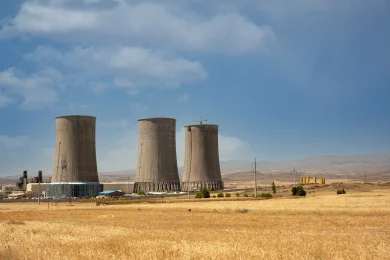
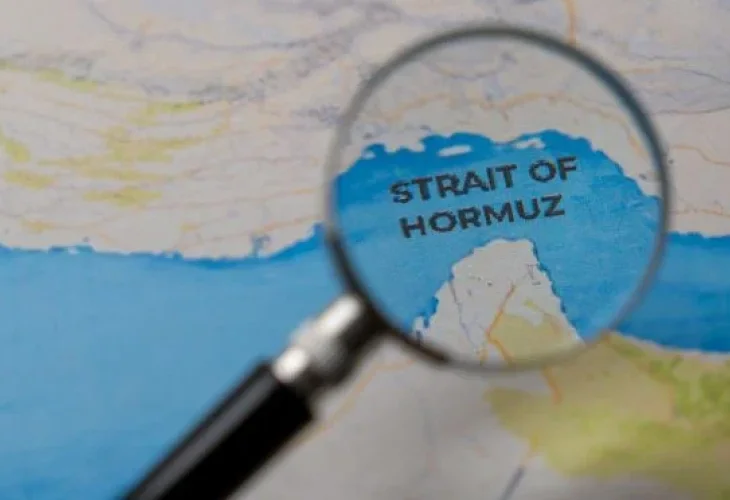 Illustration
Iran's Supreme National Security Council Secretary, Mohsen Rezaei, said Tuesday evening that Tehran would not reopen the Strait of Hormuz until the United States meets seven conditions set by the Iranian government. He also dismissed American claims about ongoing negotiations and a possible meeting in Qatar as entirely false.
Speaking to Al Mayadeen, Rezaei said, "We asked the Americans to provide an explicit and clear response to the conditions we presented. To this day, they have not done so. All American claims about continued negotiations with Iran and a meeting in Qatar are complete lies and fabrications. The Strait of Hormuz will not reopen until Iran's seven conditions are met."
Last week, Iran reportedly conveyed its demands to Washington through Qatar, stating that the United States must fulfill seven conditions before Tehran would reopen the strategic waterway and consider allowing international oversight of its nuclear program.
Iran's Seven Conditions for Reopening the Strait of Hormuz
Iran has outlined seven conditions that it says the United States must meet before the Strait of Hormuz can reopen:
A permanent end to hostilities: A complete cessation of military operations against Iran and a lasting ceasefire throughout the Middle East, including Lebanon and the Gaza Strip.
Complete removal of economic sanctions: The lifting of all US sanctions imposed on Iran, particularly those affecting oil exports, trade, and financial transactions.
Release of frozen Iranian assets: The unfreezing and return of billions of dollars in Iranian funds currently held abroad.
Removal of the naval blockade: An end to the American naval blockade affecting Iranian ports and the Strait of Hormuz region.
Payment of war reparations: Financial compensation from the United States for damage Iran sustained during the fighting.
Reduction of the US military presence: A substantial withdrawal and downsizing of American military forces stationed throughout the Middle East.
Recognition of Iranian control over the Strait of Hormuz: American recognition of Iranian sovereignty over the strait, the establishment of a new shipping route in coordination with Oman, and a requirement that all vessels coordinate their passage directly with Iranian authorities.
Iran Challenges International Nuclear Inspections
Meanwhile, Iran has informed the International Atomic Energy Agency (IAEA) that it no longer considers itself obligated to permit full oversight of its nuclear program because of American threats of military action. "Because of American threats of a military attack, we do not consider ourselves bound by full inspections of the nuclear program," Tehran stated.
The announcement came just one day after another Iranian official claimed that IAEA inspectors had been permitted to visit the nuclear facility in Bushehr, highlighting conflicting signals from Tehran regarding international nuclear monitoring.
Rubio Rejects Iranian Demands, Says Economic Pressure Is Working
US Secretary of State Marco Rubio also addressed the situation Tuesday evening, emphasizing that Washington would not accept an unfavorable agreement with Iran. "There will be no bad deal. Otherwise, the Iranians will simply continue driving themselves deeper into poverty," Rubio said.
He argued that the American economic campaign against Iran has been so effective that President Donald Trump has no need to launch extensive military operations. "The economic damage currently being inflicted on Iran and its regime is unprecedented, and it continues to accumulate," Rubio stated.
Rubio also dismissed Tehran's conditions as unrealistic, although he indicated that Washington would remain open to diplomacy if Iran changed its position. "The Iranian demands are completely disconnected from reality. We believe this situation could change, and if it does, we will be prepared to pursue diplomatic channels," he said.
Addressing Iran's demand for war reparations, Rubio argued that Tehran, rather than Washington, should be responsible for compensating others. "Iran is demanding compensation? Iran is the one that should pay compensation because it is the one that destabilized the region," he said. "The Iranians are demanding pallets of cash, and as the president has made clear, that is not going to happen."
The exchange underscores the significant gap between Washington and Tehran as tensions persist over the Strait of Hormuz, economic sanctions, and international oversight of Iran's nuclear activities.
 World NewsIran Nuclear Talks Stall as US Considers Easing Blockade in New Deal
 World NewsIran’s New Pitch: A 15-Year Enrichment Freeze and a Regional Non-Aggression Deal
 World NewsTrump doubles down on Iran: "We expect their economy to collapse under the blockade"
 World NewsU.S. Intel: Iran Could Be 9–12 Months From a Nuclear Weapon

