

Naturopathy and Natural Medicine
How to Detox Your Body Naturally Without Fasting or Supplements
Discover how fiber-rich foods, garlic, turmeric, beets, and vegetables can support your body's natural detoxification processes
- Zohara Sharvit
- | Updated
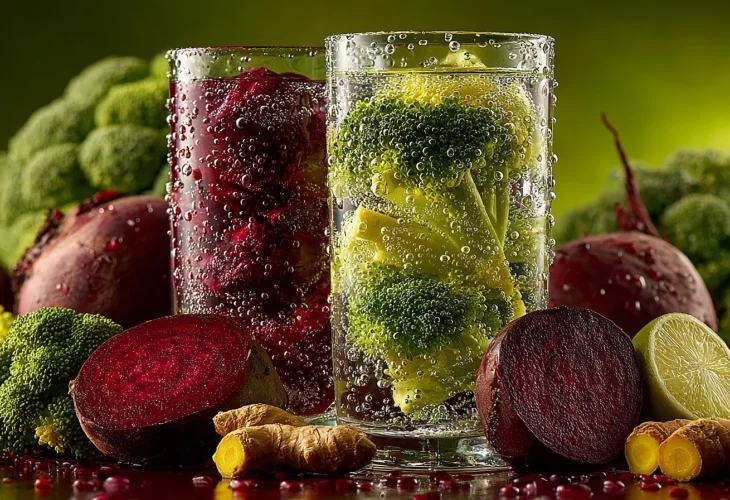
Question: I feel like my body needs a detox. Is there a way to cleanse it naturally without fasting or taking supplements?
Our bodies are constantly working to maintain a healthy balance. Every day, cells carry out processes that remove waste, while tissues undergo continuous repair and renewal. These natural mechanisms operate around the clock, even when our eating habits are less than ideal.
The kidneys filter waste products from the blood, the liver processes and breaks down various substances, and the digestive system helps eliminate waste from the body. In other words, detoxification is not something that happens only when we follow a special cleansing program, but is a natural, ongoing process.
Rather than turning to extreme detox diets, fasting, or supplements, we can focus on eating habits that support the body's normal functions. While food is not a substitute for medical treatment, certain nutrients can contribute to digestive health, liver function, and the body's natural waste-elimination processes. Incorporating these foods into our regular diet can offer long-term benefits.
Foods That Support the Body's Natural Detoxification Processes
Fiber-rich foods are an excellent place to start. Legumes, whole grains, flaxseeds, and vegetables, particularly leafy greens, provide dietary fiber that supports healthy digestion and regular bowel movements. Certain types of fiber bind to bile acids in the intestines, helping the body eliminate them rather than reabsorb them. This process can also contribute to lowering cholesterol levels.
When increasing fiber intake, it is important to drink enough fluids. Water supports kidney function, digestion, and normal waste elimination, making expensive detox drinks unnecessary.
Garlic contains compounds that can produce allicin, a sulfur-containing substance studied for its potential health benefits. Crushing or chopping garlic and allowing it to rest for several minutes before cooking helps activate the enzyme responsible for producing allicin. Although garlic is a nutritious addition to meals, there is limited evidence that it directly removes toxins from the body.
Beets are rich in fiber and antioxidants, including compounds known as betalains. To help preserve their nutrients, consider roasting them rather than boiling them for extended periods. Wrapping whole beets in parchment paper and then aluminum foil before baking is one practical way to prepare them while retaining their natural moisture and flavor.
Turmeric contains curcumin, a compound studied for its anti-inflammatory and antioxidant properties. Although research has explored its potential effects on liver health, evidence that ordinary dietary amounts improve liver detoxification remains limited. Adding small amounts of turmeric to soups, stews, and other dishes is a simple way to incorporate it into a balanced diet. Combining it with a little healthy fat and black pepper may help improve curcumin absorption.
Cruciferous vegetables, including broccoli, cauliflower, cabbage, and broccoli sprouts, contain naturally occurring compounds known as glucosinolates. When these vegetables are chopped or chewed, enzymes help convert these compounds into biologically active substances that researchers have studied for their potential health benefits, including their influence on certain cellular defense mechanisms.
Red cabbage is another particularly nutritious option, offering fiber, vitamins, and antioxidant compounds at a relatively affordable price.
The Bottom Line
Supporting your body's natural detoxification processes does not require restrictive diets, special drinks, or expensive supplements. A varied diet rich in vegetables, whole grains, legumes, and other nutrient-dense foods, together with adequate hydration, provides a practical foundation for good health.
Rather than focusing on a short-term cleanse, the goal is to establish consistent habits that support the liver, kidneys, digestive system, and overall well-being.
The most effective approach is not to force the body to detox, but to give it the nutrients and care it needs to carry out its natural functions.
Medical note: The body naturally eliminates waste through the liver, kidneys, digestive system, and other organs. Specific foods have not been proven to remove accumulated toxins, and detox diets are generally unnecessary. Persistent fatigue, digestive symptoms, or concerns about toxin exposure should be discussed with a healthcare professional.
 Naturopathy and Natural MedicineHow to Reduce Bloating and Improve Digestion Naturally
 Health and NutritionBenefits of Eating Pomegranate Seeds, Not Juice
 Health and NutritionThe Best Dinner for Better Digestion: Simple Changes That Can Make a Difference
 Health and NutritionLemon Detox Diet: Benefits, Risks, and How It Works

