

Naturopathy and Natural Medicine
Why Soybeans May Be the Best Legume for Healthy Aging and Longevity
Packed with protein, fiber, calcium, and beneficial plant compounds, soybeans may support heart health, stronger bones, and healthy aging
- Shira Priant
- | Updated
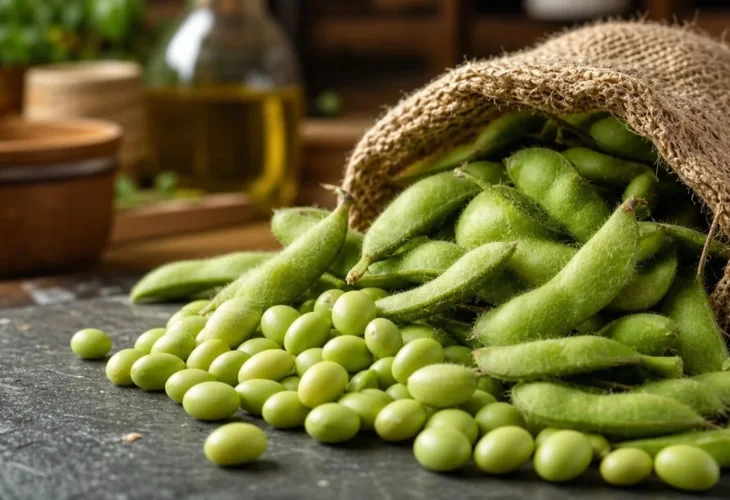
While many people spend money on expensive superfoods such as berries and salmon, nutrition experts are drawing attention to a simple, affordable legume: the soybean. Rich in protein, fiber, minerals, and beneficial plant compounds, soybeans are emerging as a promising food for healthy aging.
"Beans are one of the most nutrient-dense foods you can eat," says Theresa DeLorenzo, a registered dietitian and professor of nutritional sciences at Russell Sage College. Legumes contain calcium, magnesium, iron, fiber, and phytochemicals. They are also inexpensive, widely available, and suitable for vegan diets.
Although all legumes offer nutritional benefits, their nutrient profiles differ. According to DeLorenzo, soybeans stand out for their potential contribution to longevity. "While my favorite bean to eat is the chickpea, soybeans are the healthiest bean for longevity," she explains. Soybeans provide both soluble fiber, which helps regulate cholesterol and blood sugar, and insoluble fiber, which supports healthy digestion.
Why Soybeans Stand Out
One of the most distinctive features of soybeans is their high concentration of isoflavones, plant compounds with phytoestrogenic properties. These compounds can produce certain estrogen-like effects in the body and may help alleviate menopausal symptoms while supporting bone and cardiovascular health.
A recent observational study involving tens of thousands of adults found that higher consumption of soy and isoflavones was associated with a lower risk of death over nearly a decade of follow-up. Some higher-intake groups had a 24% to 28% lower risk of death from any cause compared with those consuming the least. However, because the study was observational, it cannot establish that soy consumption directly caused the difference. Other factors, including participants' overall diets and lifestyles, may have contributed to the findings.
Additional research has identified more specific benefits. A statistical review combining data from dozens of studies found that soy protein produced a modest reduction in LDL cholesterol, commonly known as "bad" cholesterol.
How Do Soybeans Compare With Other Legumes?
Soybeans offer nutritional advantages over several popular legumes, particularly in their mineral content. According to the US Department of Agriculture (USDA), one cup of cooked soybeans contains approximately 175 milligrams of calcium, compared with 80 milligrams in chickpeas and 46 milligrams in black beans.
Calcium is essential for bone strength, muscle function, and nerve signaling. Soybeans also contain considerably more magnesium and iron than chickpeas and black beans. Magnesium contributes to normal blood pressure regulation and muscle function, while iron helps transport oxygen throughout the body. Together with soybeans' substantial protein content, these nutrients make them a valuable option for older adults seeking to maintain strength and mobility.
Who Should Avoid Soybeans?
Despite their nutritional benefits, soybeans are not suitable for everyone. Soy is a recognized food allergen, and people with a soy allergy must avoid soybeans and products containing soy protein.
People with hypothyroidism who take thyroid hormone replacement medication should also be mindful of timing. Soy products can interfere with the absorption of medications such as levothyroxine when consumed too close to the time the medication is taken. Patients should follow their healthcare provider's instructions regarding the appropriate interval. For most other people, moderate consumption of soy foods can be part of a balanced diet.
The Healthiest Ways to Eat Soy
To get the most nutritional value from soy, it is generally best to choose foods that remain relatively close to their natural form. Whole soybeans, including edamame and dried soybeans, retain their fiber, protein, and minerals. Tempeh, made from fermented whole soybeans, is another nutritious option and may be easier for some people to digest. Tofu is also a good choice, particularly calcium-set varieties. Look for products with a short ingredient list consisting mainly of soybeans, water, and a coagulant.
Unsweetened soy milk and dried textured soy protein offer convenient alternatives. When choosing soy milk, check for added sugar, calcium fortification, and overall soy content. Products containing a relatively high proportion of soybeans, such as 7% or more, may be preferable, although the percentage alone does not determine nutritional quality.
Highly processed soy-based meat substitutes, including some vegetarian schnitzels and soy sausages, warrant closer scrutiny because they may contain substantial amounts of sodium, flavorings, and other additives. Comparing nutrition labels can help identify better options.
While no single food can guarantee a longer life, soybeans offer a compelling combination of nutritional value, affordability, and versatility. Incorporating minimally processed soy foods into a balanced diet is a practical way to support healthy aging without spending a fortune on expensive superfoods.
 Naturopathy and Natural MedicineHow to Reduce Bloating and Improve Digestion Naturally
 Health and NutritionSoy: Superfood or Health Hazard?
 Health and NutritionDoes When You Eat Affect How Long You Live? New Study Says It Might
 Naturopathy and Natural MedicineHow to Detox Your Body Naturally Without Fasting or Supplements

