

Health and Nutrition
How to Lower High Blood Pressure Naturally: Causes and Effective Tips
Discover what causes high blood pressure and how simple lifestyle changes can help manage hypertension and protect your heart
- Zohara Sharvit
- | Updated
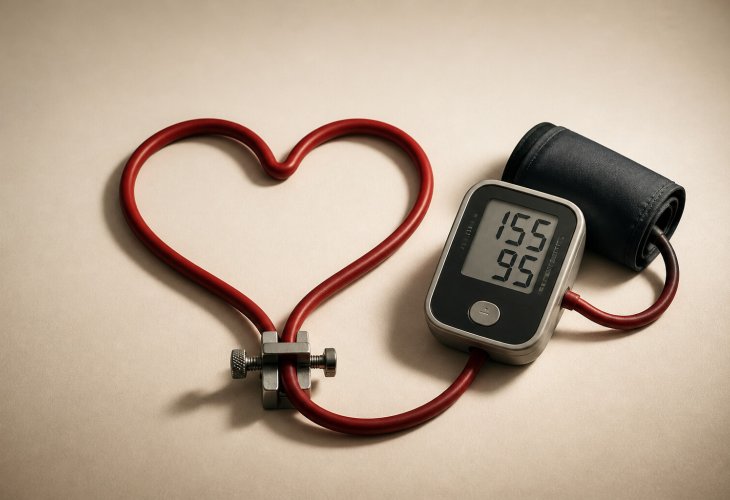
Question:I suffer from high blood pressure, and my doctor has reached the point of recommending medication. What causes high blood pressure, and what can I do to lower it?
High blood pressure, also known as hypertension, is often called the "silent killer" because it typically causes no noticeable symptoms. Nevertheless, it can gradually damage the body and lead to serious health complications without a person realizing that anything is wrong. If you have already been diagnosed with high blood pressure and your doctor has recommended medication, it is important to follow the prescribed treatment while also adopting lifestyle changes that can help lower your blood pressure naturally.
What Causes High Blood Pressure?
Our blood vessels are responsible for carrying blood from the heart throughout the body and back again. Many blood vessels contain a layer of smooth muscle that helps regulate blood pressure and control how much blood reaches different organs. When these muscles contract, the blood vessels narrow, increasing resistance to blood flow. When they relax, the vessels widen, allowing blood to flow more easily and reducing pressure.
Blood pressure can rise when the walls of the arteries lose their flexibility and become less able to expand. This increases resistance to blood flow and places a greater burden on the heart. One factor that can contribute to this process is chronic inflammation, which can damage the inner lining of blood vessels.
Several dietary and lifestyle factors may contribute to high blood pressure and vascular damage:
Excess sodium and insufficient potassium: Consuming too much sodium, particularly when potassium intake is low, can contribute to elevated blood pressure. Potassium helps the kidneys eliminate excess sodium and supports the relaxation of blood vessel walls.
High sugar consumption: Excessive intake of sugar, especially added and refined sugars, can contribute to metabolic problems and damage to blood vessels. Persistently elevated blood sugar can also promote processes that stiffen blood vessel walls.
Smoking and alcohol consumption: Smoking damages blood vessels and promotes inflammation, while excessive alcohol consumption can contribute to elevated blood pressure.
Excess body weight: Being overweight increases the risk of developing hypertension and metabolic syndrome, both of which are associated with cardiovascular problems.
Natural Ways to Help Lower Blood Pressure
In addition to taking prescribed medication, several lifestyle changes may help improve blood pressure control.
Limit caffeine intake. Caffeine can temporarily raise blood pressure, particularly in people who are sensitive to its effects. If you regularly drink coffee, consider monitoring your consumption and discussing an appropriate limit with your healthcare provider. Coffee drinks containing large amounts of added sugar may also contribute to poor metabolic health.
Include dark chocolate and berries in your diet. High-quality dark chocolate containing at least 70% cocoa provides flavonoids and magnesium, nutrients associated with healthy blood vessel function. Eating one or two small squares may be a reasonable addition to a balanced diet, although chocolate should not be considered a treatment for hypertension. Berries are another excellent source of flavonoids, which may support cardiovascular health.
Exercise regularly. Consistent aerobic activity is one of the most effective lifestyle measures for managing high blood pressure. Activities that raise your heart rate, such as brisk walking, cycling, or swimming, can help improve circulation, support blood vessel flexibility, and contribute to healthier blood pressure levels.
While these measures can support cardiovascular health, they should complement rather than replace medical treatment. Because high blood pressure often develops without symptoms, regular monitoring and following your doctor's recommendations are essential for reducing the risk of long-term complications.
 Health and NutritionHigh Blood Pressure: New Research Reveals Why Potassium Matters as Much as Salt
 Health and NutritionThe Daily Habit Cardiologists Recommend for Lower Blood Pressure
 Health and NutritionLuteolin Benefits: The Powerful Anti Inflammatory Compound Found in Everyday Foods
 Health and NutritionA Breakfast Warning: Cut These Foods From Your Morning Routine

