

Green Spots on Potatoes? Here’s Why You Should Avoid Eating Them
Experts warn that green or white patches on potatoes may indicate toxic solanine or nutrient loss—plus, how to identify the best potatoes for boiling or frying.
 (Photo: shutterstock)
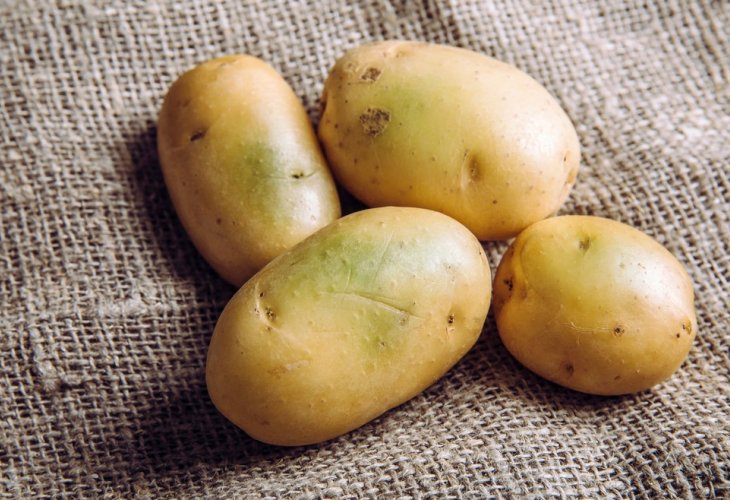
If the potatoes in your vegetable basket have been sitting out for a while, chances are you've noticed the appearance of green spots.
According to experts from Russia’s Federal Service for Consumer Rights Protection, green spots on potatoes indicate the presence of a toxic substance called solanine, and such potatoes should be avoided.
While potatoes can technically be stored for up to a year, it’s recommended to consume them within 3–4 months after harvest for optimal safety and nutrition. Improper storage can lead to health risks.
Experts also add that white spots typically signal a lack of freshness and depleted vitamin content. Additionally, it’s important to ensure that the potato skin is smooth and not rough or shriveled.
Experts advise that high-starch potatoes are better for boiling, while low-starch potatoes are better for frying. How can you tell the difference? Cut the potato in half and press the two halves together. If they stick easily, it indicates that the potato has a high starch content, making it ideal for boiling.
 Health and NutritionAre You Storing Eggs Correctly? 4 Common Mistakes That Make Eggs Spoil Faster
 Health and NutritionCommon Leftovers That Can Become Unsafe in the Fridge After Just Two Days
 Home StylingHow Long Can You Keep Leftovers in the Fridge? A Simple Guide
 Jewish LawWhy Kosher Food Is Healthier: Science, Safety, and the Wisdom of Jewish Dietary Law

