

Naturopathy and Natural Medicine
My Child Wants to Be Vegan: What Parents Need to Know
A vegan diet can be healthy for children and teens when properly planned. Learn which nutrients need special attention, including vitamin B12, iron, calcium, protein, and omega-3s.
- Zohara Sharvit
- | Updated
My daughter no longer wants to eat animal products and would like to become vegan. What should I pay attention to?
A vegan diet can be healthy and balanced, but particularly for a growing child or teenager, it requires thoughtful planning to ensure that all nutritional needs are met and deficiencies are avoided.
One of the most important things to remember is that simply eliminating animal products does not automatically make a diet healthy. A vegan diet based primarily on pasta, bread, pastries, snacks, and highly processed meat or dairy substitutes may provide plenty of calories without supplying all the nutrients a growing body needs.
Instead, the foundation of the diet should be a wide variety of minimally processed plant foods.
Build Meals Around Nutrient Rich Plant Foods
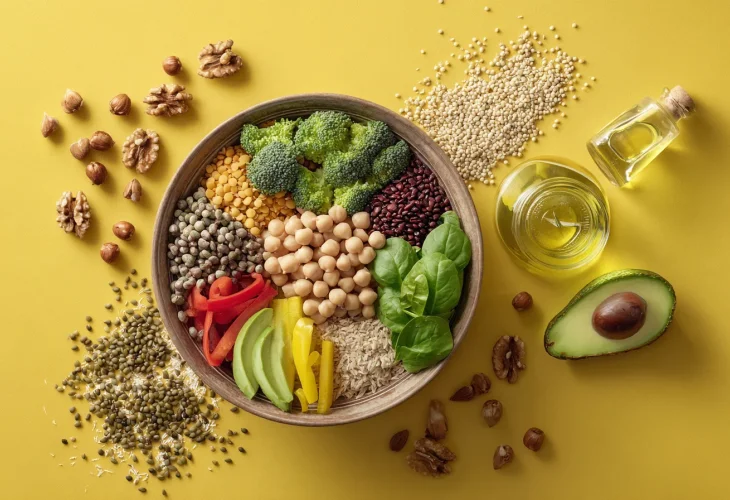
Legumes such as lentils, chickpeas, beans, and peas are excellent staples because they provide protein, iron, fiber, and other important nutrients. Whole grains can complement these foods and add additional protein, vitamins, minerals, and energy.
Nuts, almonds, seeds, vegetables, and fruits also play an important role, providing healthy fats, fiber, vitamins, and minerals needed for healthy growth and development.
Rather than focusing on finding a vegan substitute for every animal product, it is often better to build meals around naturally nutritious plant foods and use processed alternatives more selectively.
Vitamin B12 Requires Special Attention
One nutrient that requires particular attention in a vegan diet is vitamin B12.
Reliable natural plant sources of B12 are extremely limited, which means that people following a vegan diet generally need to obtain it through fortified foods or a B12 supplement.
Vitamin B12 is essential for the formation of healthy red blood cells and for normal nervous system function. A deficiency can lead to megaloblastic anemia and, if allowed to continue, neurological problems.
Because of its importance, B12 should not be left to chance when a child or teenager adopts a vegan diet. It is worth discussing an appropriate supplement and dosage with a pediatrician or registered dietitian.
Make Sure She Is Getting Enough Iron
The iron found in plant foods is not absorbed as efficiently as the heme iron found in animal foods. This does not mean that a vegan diet cannot provide enough iron, but meals need to include good plant sources regularly.
Legumes, leafy green vegetables, seeds, whole grains, and some dried fruits can all contribute iron to the diet.
Vitamin C helps the body absorb non-heme iron from plant foods, so pairing iron rich foods with foods containing vitamin C is particularly helpful. For example, a meal containing lentils or chickpeas can be served with red peppers, tomatoes, citrus fruit, or other fruits and vegetables rich in vitamin C.
Don't Forget Omega-3s and Calcium
Omega-3 fatty acids are another consideration. Plant sources include ground flaxseed, chia seeds, and walnuts. These provide ALA, a type of omega-3 fatty acid that the body can partially convert into the longer-chain forms EPA and DHA.
Calcium is especially important during childhood and adolescence, when the body is building bone mass. Vegan sources can include calcium fortified plant milks and other fortified foods, calcium-set tofu, certain leafy green vegetables, broccoli, beans, and other calcium rich plant foods.
Vitamin D is also important for bone health and should be considered alongside calcium.
A Vegan Diet Should Be Planned, Not Simply Restricted
A child who decides to become vegan should not simply remove meat, fish, eggs, and dairy products from her existing diet. Those foods need to be replaced thoughtfully so that she continues to receive enough protein, calories, healthy fats, iron, calcium, vitamin B12, vitamin D, iodine, zinc, omega-3 fatty acids, and other nutrients required for growth.
When properly planned, a vegan diet can include an abundance of nutritious foods, including vegetables, fruits, legumes, whole grains, nuts, and seeds, while generally being high in dietary fiber and relatively low in saturated fat.
For a growing child or teenager, it is a good idea to consult a registered dietitian with experience in pediatric or vegan nutrition. This can help ensure that her decision to avoid animal products is supported by a diet that provides everything her developing body needs.

