Article
Halachot for Rosh Hashanah 5787
A practical guide to preparing for Shabbat Rosh Hashanah
Next: Friday evening, October 1, 20271 Tishrei 5788In 340 days
Rosh Hashanah 2027 (1 Tishrei 5788) begins on the evening of Friday, October 1, and is kept for two days, in the Land of Israel as well.
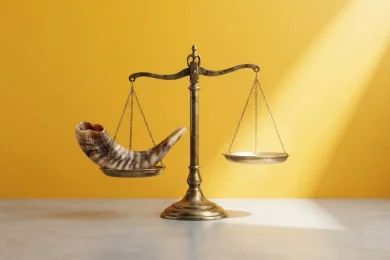
The Torah calls it "a day of sounding the shofar" (Numbers 29:1). On it all who come into the world pass before Hashem in judgment (Mishnah Rosh Hashanah 1:2), and in our prayers we crown Him as King over us (Rosh Hashanah 16a).
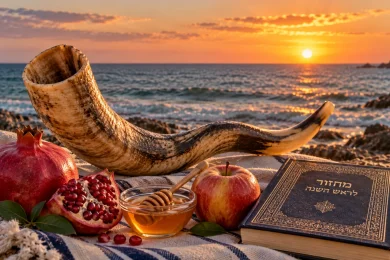
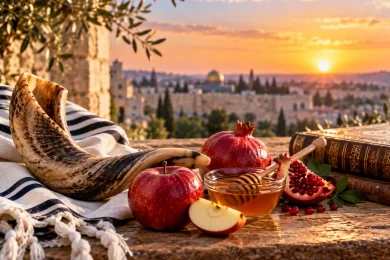
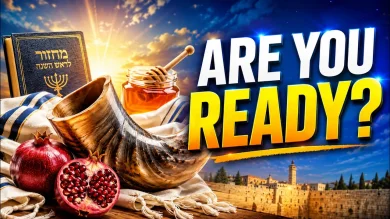
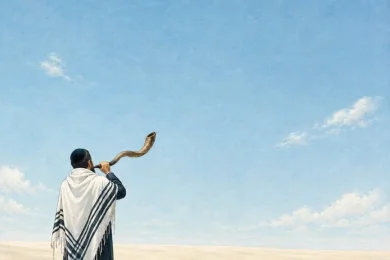
The central mitzvah of the day is hearing the shofar, a hundred blasts over the course of the morning prayers. When the first day falls on Shabbat, the shofar is blown only on the second day. At the evening meals many families eat the simanim, symbolic foods such as dates, pomegranate and the head of a fish, each with a short Yehi Ratzon prayer for a good year. Many also go to a body of water to say Tashlich.
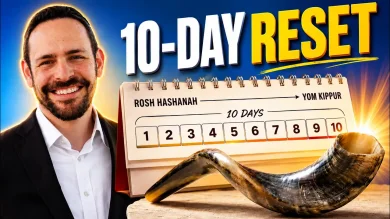
Rosh Hashanah opens the Ten Days of Repentance, which end on Yom Kippur. Below you will find guides to the laws, the prayers and the inner preparation for the day.
Article
A practical guide to preparing for Shabbat Rosh Hashanah
Laws & Customs
Practical Rosh Hashanah laws, plus an inspiring lesson about trusting Hashem when life does not go according to plan

Article
How to Enter Rosh Hashanah Prepared — in Halachah, Teshuvah, Shalom, Emunah, and Action
Article
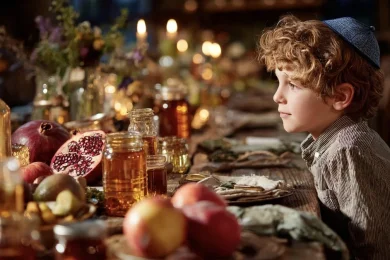
Using everyday examples, stories, and symbols to help kids connect to the deeper meaning of the Jewish New Year
Rosh Hashanah 2027 (1 Tishrei 5788) begins on the evening of Friday, October 1 and lasts two days, until nightfall on 2 Tishrei. The dates for the next three years, with the Hebrew dates, are in the table on this page.
The Sages were concerned that someone might carry a shofar through a public area to learn how to blow it, and so desecrate Shabbat. When the first day of Rosh Hashanah is Shabbat, the shofar is heard only on the second day.
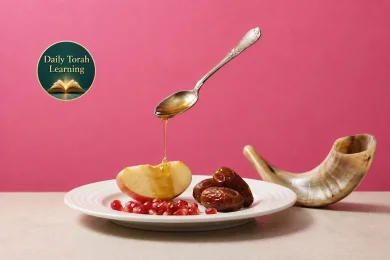
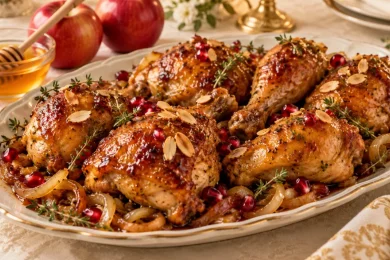
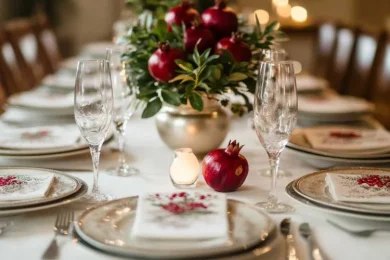
They are foods eaten at the holiday meal as signs for the coming year, each with a short prayer that begins Yehi Ratzon, "may it be Your will". Common simanim include apple dipped in honey, dates, pomegranate, leek, beets, gourd and the head of a fish or a ram. Many families eat them on both nights.
The Torah obligation is nine blasts, and the Sages required thirty to cover every kind of sound. The custom is to hear one hundred blasts during the morning prayers. Every adult man is obligated, and most women make a point of hearing the shofar too.

Article

Article
Video

Video
Article
Article

Video

Video

Video
Article
Article

Video

Video

Video
Recipe
Article

Video

Video

Video
Article
Article
Video
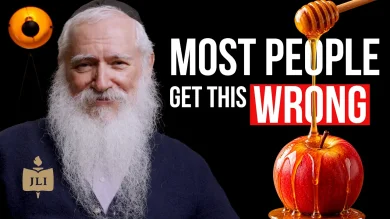
Video
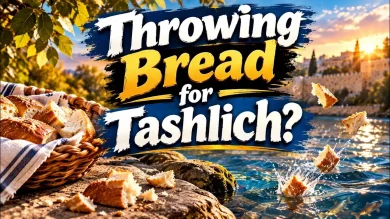
Video
Article
Article

Video
Video
Video

Article
Article
Video
Video
Video
Article
Article
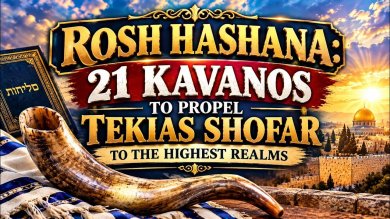
Video

Video

Video

Article
Article

Video

Video
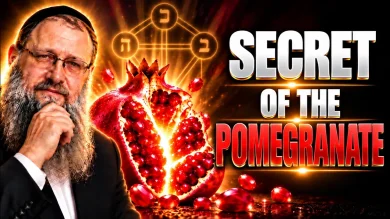
Video

Article

Article

Video

Video

Video
Article
Article

Video

Video

Video

Article
Article
Video
Video
Video
Article
Article
Video

Video
Video
Article
Article

Video

Video
Video

Article
Article
Video
Video
Video
Article

Article
Video
Video

Video
Article
Article
Video

Video

Video

Article
Article

Video

Video

Video
Article

Recipe
Video
Video

Video
Article
Article